
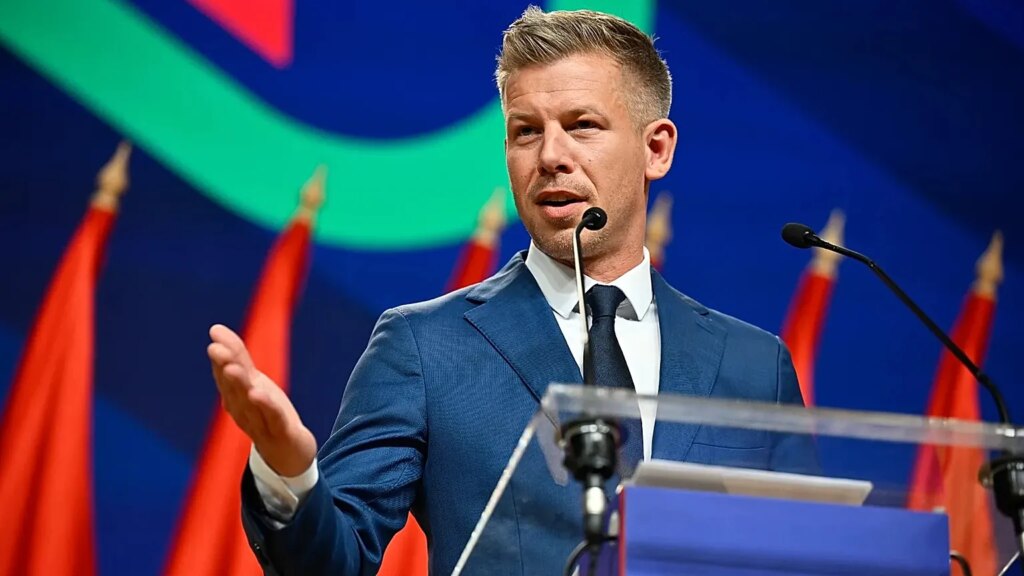
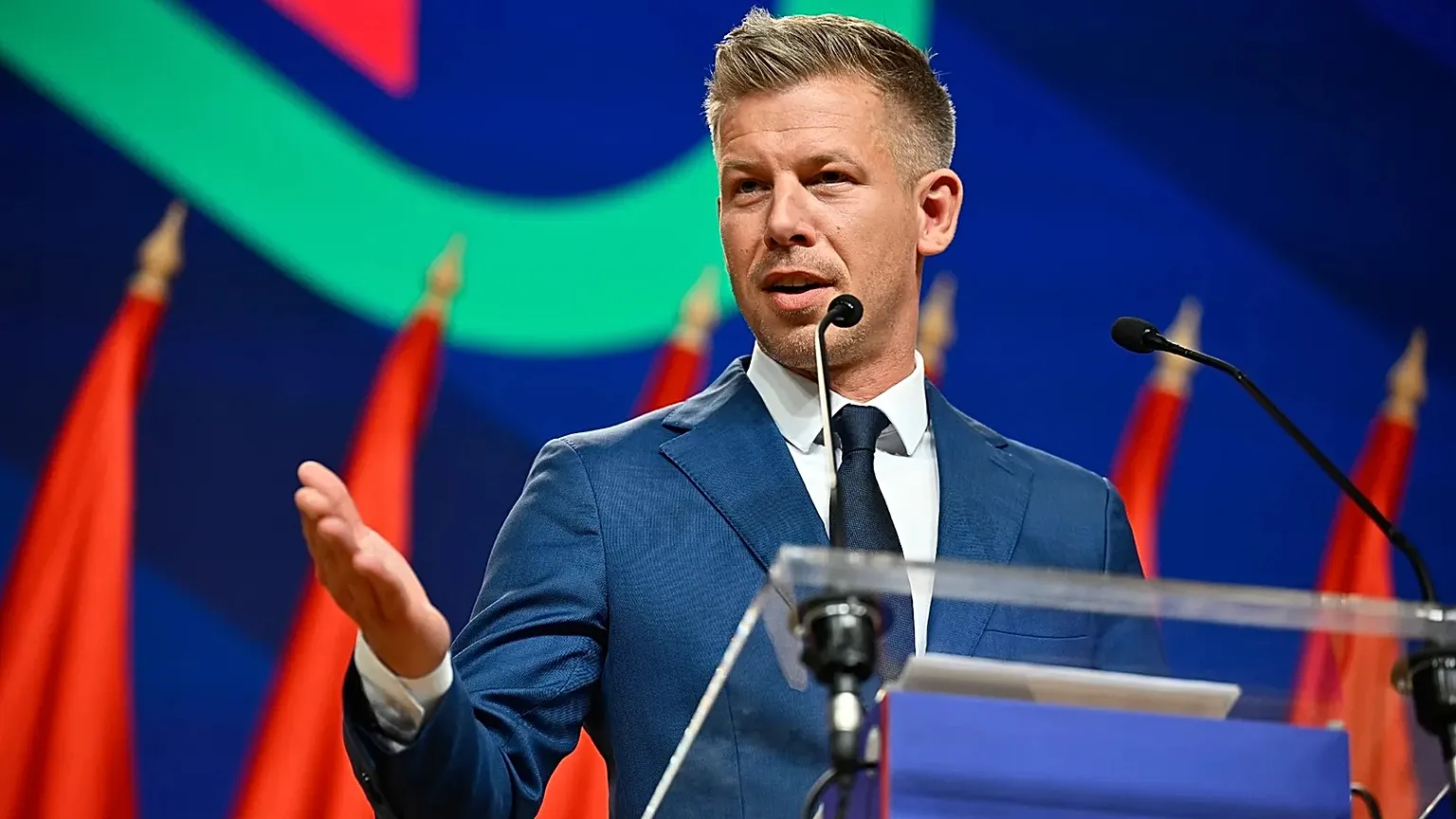
The incoming Hungarian Prime Minister arrives in Brussels for what officials describe as “informal yet urgent discussions” with Commission President von der Leyen. Budapest faces a pressing deadline to access EU funds withheld during the Orbán administration.
Prime Minister-designate Péter Magyar of Hungary is scheduled to meet European Commission President Ursula von der Leyen in Brussels this Wednesday, aiming to swiftly release billions of euros in blocked EU funding.
 ADVERTISEMENT
  ADVERTISEMENT
Described by insiders as “informal talks,” Magyar’s meeting with the Commission chief is expected to proceed without press engagements in Brussels. Sources close to him affirm his intention to quickly address issues linked to the EU’s frozen payments to Hungary.
Following this, Magyar plans to meet EU Council President António Costa, after a contentious veto strategy championed by Viktor Orbán severely strained bilateral relations between Budapest and other EU leaders.
This visit establishes a direct communication channel with Brussels ahead of his official inauguration in Budapest on 9 May, a date symbolically coinciding with Europe Day.
Although Magyar expressed initial plans to visit only in mid-May after a European tour including stops in Vienna and Warsaw, the Wednesday meeting signals an accelerated timeline.
According to a representative of Magyar’s Tisza Party, the encounter is driven by “exceptional circumstances requiring prompt action.” The incoming leader is working to secure approximately €10 billion in EU funds currently on hold due to rule of law concerns, facing an August deadline to prevent forfeiture.
Preliminary technical discussions have already taken place between Commission and Tisza officials. Earlier this month, Ursula von der Leyen’s influential chief of staff, Björn Seibert, engaged in talks where both sides committed to rapid cooperation.
Last weekend, incoming Foreign Minister Anita Orbán visited Brussels. Conducting talks with a government yet to officially assume power underlines both the urgency and renewed political readiness on both ends.
Magyar’s negotiation style marks a departure from the confrontational stance of outgoing Prime Minister Orbán, who consistently clashed with EU institutions.
Reestablishing ties with European partners and regaining access to funds described as «belonging to Hungarians» formed a major element of Magyar’s campaign, ultimately securing a supermajority that should facilitate swift reforms.
Given these circumstances, the incoming prime minister must balance pushing for Brussels’ cooperation while preserving the image of an independent political actor not merely following directives.
Unlike Orbán, Magyar is poised to gain renewed momentum in dealings with Brussels.
Ahead of the meeting, Manfred Weber, head of the European People’s Party—which includes Magyar’s Tisza Party—advocated for opening a new chapter in the relationship.
“Europe now needs to stand as an ally to Hungary and its new government, meeting the expectations of its citizens,” Weber stated to reporters in Strasbourg during the European Parliament plenary session.
“The key message is support. Our role is to assist, not to criticize or entangle in detailed debates,” he added.
Weber also recommended suspending Article 7 proceedings once Magyar assumes office.