
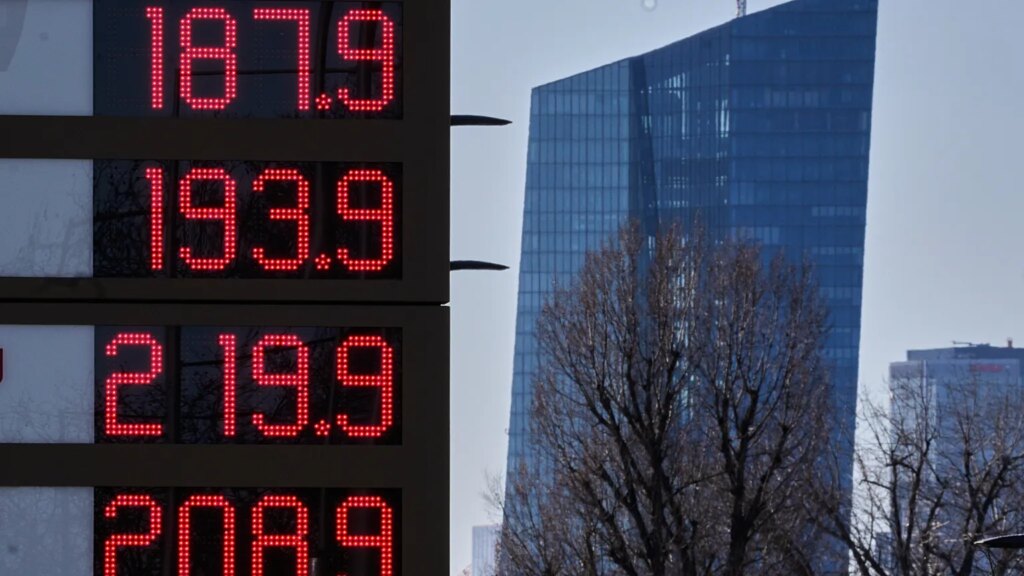
On Wednesday, the European Commission revealed a new ‘fuel observatory’ aimed at monitoring jet fuel reserves to prevent individual EU member states from stockpiling fuel to the detriment of others.
The top EU energy official warned on Wednesday that the intense energy crisis caused by actions from the United States and Israel against Iran is expected to increase prices over an extended period, possibly stretching for months or years.
 ADVERTISEMENT
  ADVERTISEMENT
Dan Jørgensen, EU Energy Commissioner, stressed that the consequences will be durable rather than a short-lived or minor price surge.
He highlighted that the conflict is costing Europe €500 million (approximately $600 million) each day, signaling that “extremely challenging months, possibly even years” are coming.
The abrupt reduction of 20% in worldwide oil and natural gas exports via the Strait of Hormuz has caused notable price fluctuations, even if European countries secure alternative energy sources.
Jørgensen told reporters that EU governments remain “deeply concerned” about potential jet fuel shortages, especially as the peak tourism season approaches.
“Even under the most optimistic conditions, the situation remains unfavorable,” he stated concerning the current energy crisis, referring to the harm sustained by energy infrastructure in the Middle East and the extended timeframe needed to restore production to pre-conflict levels.
His comments followed the previous day’s announcement by European transport ministers outlining plans to secure jet fuel from the United States amid looming shortages throughout Europe, although EU leaders assert that energy supply is currently stable and that shortages might affect member states unevenly.
On Wednesday, the Commission also declared the establishment of a ‘fuel observatory’ designed to track jet fuel inventories and avoid stockpiling by any EU country at the expense of others.
The International Energy Agency recently reported that jet fuel supplies in Europe are scarce, a perspective supported by several European airlines warning that this scarcity could result in flight cancellations.
Nevertheless, the European Commission has downplayed these concerns, suggesting that flight cancellations relate “not to shortages but rather to the airlines’ financial performance.”