
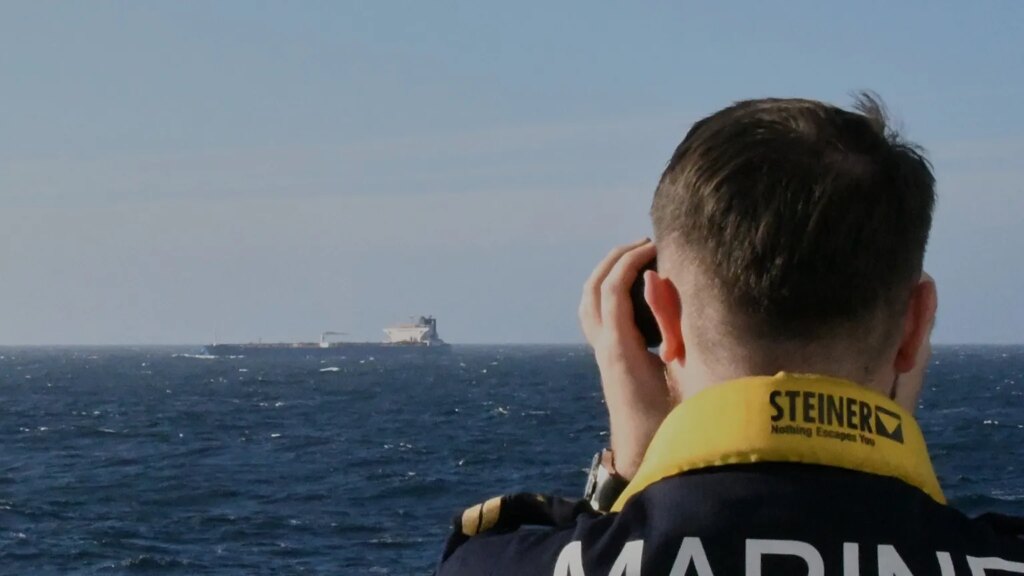

The vessel recently arrived at an Israeli port and is heading to Turkey despite accusations that it is transporting wheat from Russian-controlled Ukraine.
A bulk carrier under the Russian flag, which Ukraine claims could have been transporting grain from territories under Moscow’s occupation, has docked in Israel and is currently en route to Russia.
 ADVERTISEMENT
  ADVERTISEMENT
According to tracking information provided by trade analytics firm Kpler, the vessel ABINSK arrived at Haifa Port, Israel’s largest international seaport, on 12 April and departed on 15 April.
Data indicates that after leaving Haifa, the ship was “in ballast,” implying it likely unloaded its cargo there before leaving. Afterwards, it stopped briefly at Çanakkale port in Turkey, with its next listed destination being Istanbul.
Ukraine’s foreign ministry reported it had alerted Israeli authorities in advance regarding the vessel and the suspected “possible origin of the cargo from temporarily occupied Ukrainian territories.”
The ministry added that the vessel discharged its cargo between 12 and 14 April and requested the cargo be confiscated based on a ruling by a Ukrainian court.
As Axios has reported, Israeli Foreign Minister Gideon Sa’ar told Ukrainian officials that it was too late to detain the ship once it had already left port.
What justified the ship’s docking?
No worldwide ban exists on Russian grain exports. While Ukraine regards the export of grain from occupied regions without its permission as illegal under its national laws, the absence of binding international restrictions allows such shipments to navigate through global ports.
Russian grain isn’t subject to a comprehensive EU sanctions embargo, as food products are generally exempt from the extensive sanctions imposed on Russia by the EU since its full-scale invasion of Ukraine in February 2022.
However, imports originating from Russian-occupied Crimea are prohibited, unless authorized by Ukraine.
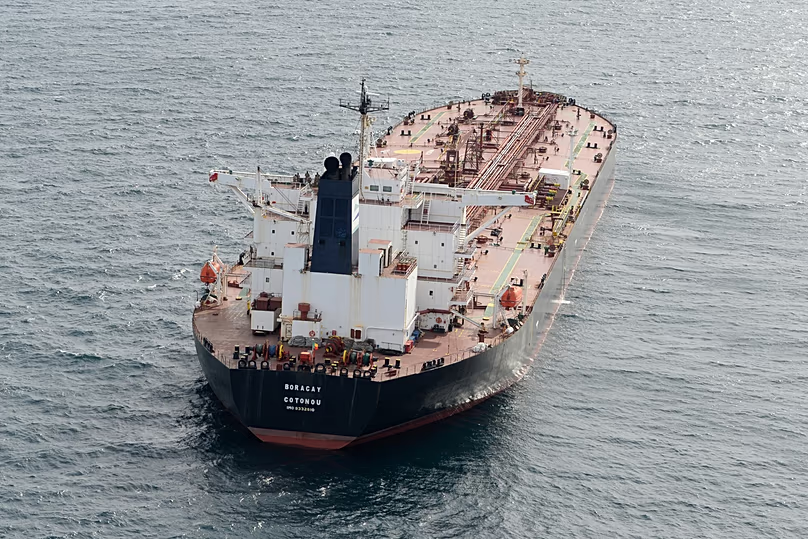
In practice, EU ports have barred most vessels connected to Russia’s merchant fleet, except for those carrying food and agricultural goods. Vessels known as part of Russia’s «shadow fleet» and those suspected of shipping grain from Ukraine’s occupied territories are prohibited.
Countries such as Israel and Turkey do not fall under EU sanction regulations, so any interdiction of the vessel depends on their respective national laws.
Under international law, the pillaging or exploitation of resources by an occupying authority for personal gain is prohibited and may constitute a war crime.
What details are available about the cargo?
Research by the SeaKrime project, which monitors illicit maritime activities and is operated by the Kyiv-based NGO and website Myrotvorets, indicates the vessel transported at least 7,500 metric tonnes of wheat originating from Ukrainian territories under occupation.
The investigation suggests the seized grain underwent transfer between ships before export from the Port of Kavkaz, where it was documented as being of Russian origin.
Journalist Kateryna Yaresko reported that the cargo loaded in Kerch, located in Crimea—annexed by Russia in 2014—was aboard when the ship departed on 17 March and was accepted for unloading in Israel on 12 April.
Open shipping tracking data does not record departures from Russia or Crimea, though it confirms that between 2018 and 2025 the vessel operated mainly in the eastern Mediterranean, including multiple port calls in Russia.
SeaKrime’s conclusions, based on publicly available tracking and maritime databases, have not received independent corroboration, but Ukraine’s Foreign Ministry has purported that the ship’s cargo originated from Russian-occupied Ukrainian regions.
The ministry labels ABINSK as a component of Russia’s «shadow fleet»—a covert network of older vessels used to evade Western sanctions.
Such ships are typically owned via complex arrangements involving shell companies and employ methods like disabling tracking systems to prevent detection.
According to online records, ABINSK is a 20-year-old vessel constructed in Japan in 2006—the global average age for merchant ships is slightly over 20 years. It has changed hands numerous times and previously operated under the Liberian flag as Lago di Nemi.
Ukraine’s Foreign Intelligence Service disclosed that over 2 million tonnes of grain grown in temporarily occupied Ukrainian zones were exported in 2025, with 53.6% of those shipments destined for Egypt and Bangladesh.