
The Commission has demanded that Budapest explain allegations that Hungarian Foreign Minister Péter Szijjártó frequently briefed his Russian counterpart Lavrov on confidential EU Council discussions, sparking significant controversy.
The European Commission has urged Hungary to address «troubling» claims that Hungarian Foreign Minister Péter Szijjártó regularly conveyed sensitive details from European Union sessions to Russia’s Sergei Lavrov.
 ADVERTISEMENT
  ADVERTISEMENT
According to a Washington Post report released over the weekend, Szijjártó maintained frequent communications with Lavrov during EU meetings held in Brussels, including informal discussions during breaks. These accusations are highly sensitive because EU member countries are required to uphold sincere cooperation, and the meetings’ contents are strictly confidential.
The Hungarian administration dismissed the claims, labeling them as false information.
«The allegations that the Hungarian foreign minister disclosed confidential ministerial-level talks within the Council to his Russian counterpart are deeply alarming,» a spokesperson from the European Commission stated to the press on Monday.
«Trust between member states and between these states and EU institutions is essential for the European Union’s functioning. We expect the Hungarian government to clarify these matters.»
The news surfaced amid growing political tensions ahead of Hungary’s parliamentary elections. Prime Minister Viktor Orbán’s Fidesz party is challenged by opposition leader Péter Magyar’s Tisza Party, which currently leads in poll numbers.
Orbán’s government is among the few European administrations that sustain consistent relations with the Kremlin. Furthermore, Hungary continues importing substantial quantities of fossil fuels from Russia despite EU pressures to reduce energy reliance on Moscow.
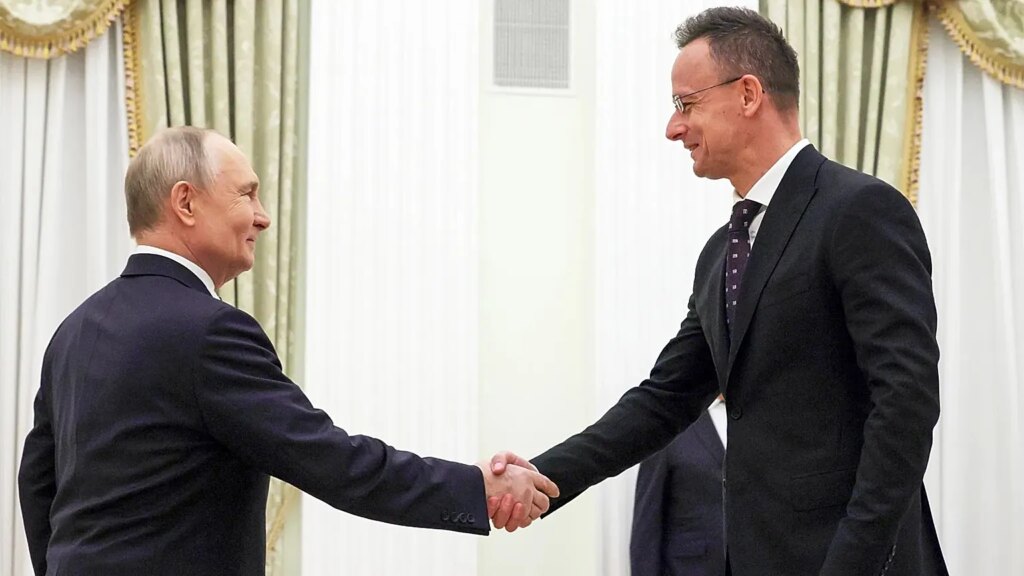
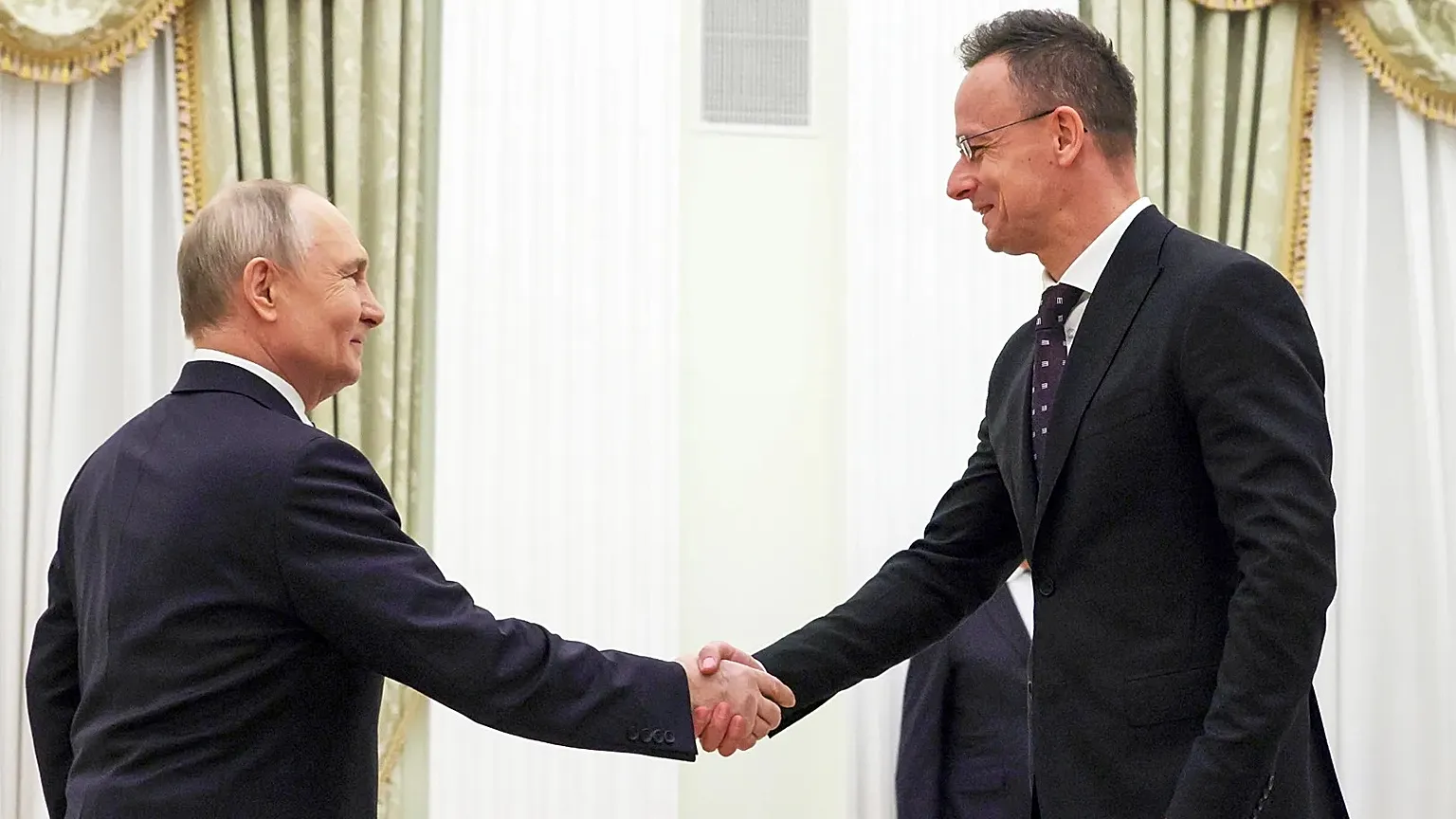
Since Russia began its full-scale invasion of Ukraine in 2022, Szijjártó has traveled to Moscow 16 times. Most recently, on March 4, he met with Russian President Vladimir Putin at the Kremlin.
Polish Prime Minister Donald Tusk was one of the earliest to criticize the revelations.
«It should not surprise anyone that Orbán’s associates share complete details of EU Council meetings with Moscow,» he said on social media Sunday. «We have suspected this for quite some time.»
The Commission did not confirm whether Hungary has been excluded from receiving sensitive documents. The Council of the EU, which organizes ministerial meetings, is currently investigating whether Szijjártó violated any protocols.
A source from the Council conveyed to Euronews that concerns about the alleged leaks align with those of the Commission.
Representatives from both the Council and the Commission told Euronews that the issue reflects a broader erosion of trust and underscores the necessity for genuine cooperation with Budapest.
The disclosure coincides with Orbán’s recent decision on Thursday to uphold his veto against the EU’s €90 billion loan package for Ukraine — a move condemned by most member states, especially since he had already endorsed the funding during the EU’s December summit.
Opposition leader Péter Magyar has stated that should his Tisza Party attain power, it will investigate the accusations.
«Current evidence suggests that Péter Szijjártó is cooperating with Russia, thus betraying Hungarian and European interests,» Magyar declared.
«If these suspicions prove true, it would constitute treason, punishable by life imprisonment.»