
Spain’s Prime Minister Pedro Sanchez has implemented a bold move with a €5bn energy emergency plan including 80 separate initiatives. What do these measures entail, and will they effectively reduce energy costs?
The next time frustration hits at the petrol station, who is really to blame? The oil corporations, your government, or the EU?
 ADVERTISEMENT
  ADVERTISEMENT
The reality is that energy consumers bear costs far beyond just the fuel itself. In 20 EU nations, taxes make up over half the price per litre of petrol.
While the EU mandates a minimum petrol tax, national authorities add additional charges. Therefore, when oil prices surge due to conflicts like the Iran war, these substantial taxes amplify the financial impact on consumers. Are governments taking any steps to alleviate this burden?
The response is affirmative, with Spain leading the initiative. Prime Minister Pedro Sanchez recently enacted an urgent €5bn package with 80 diverse actions.
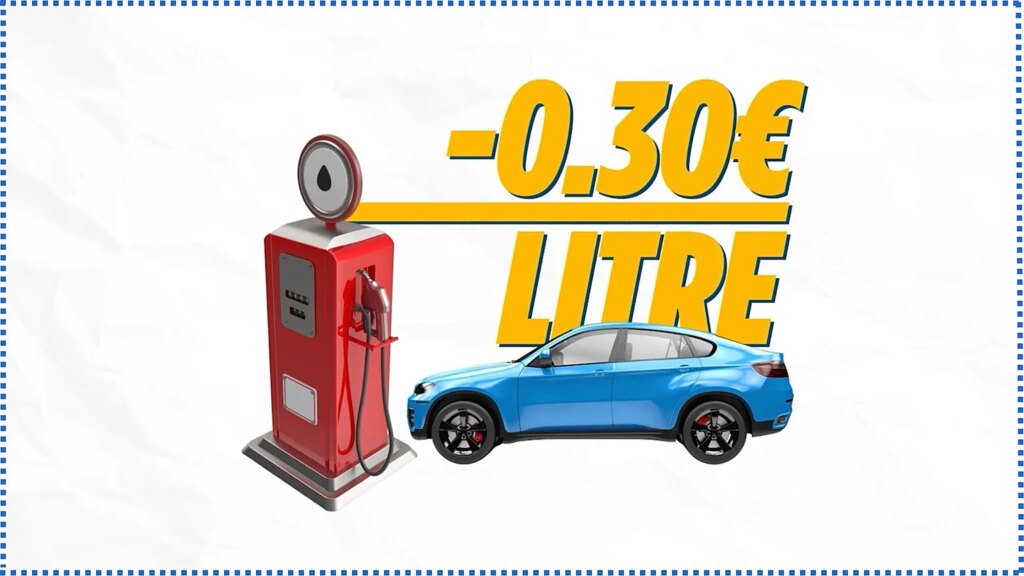
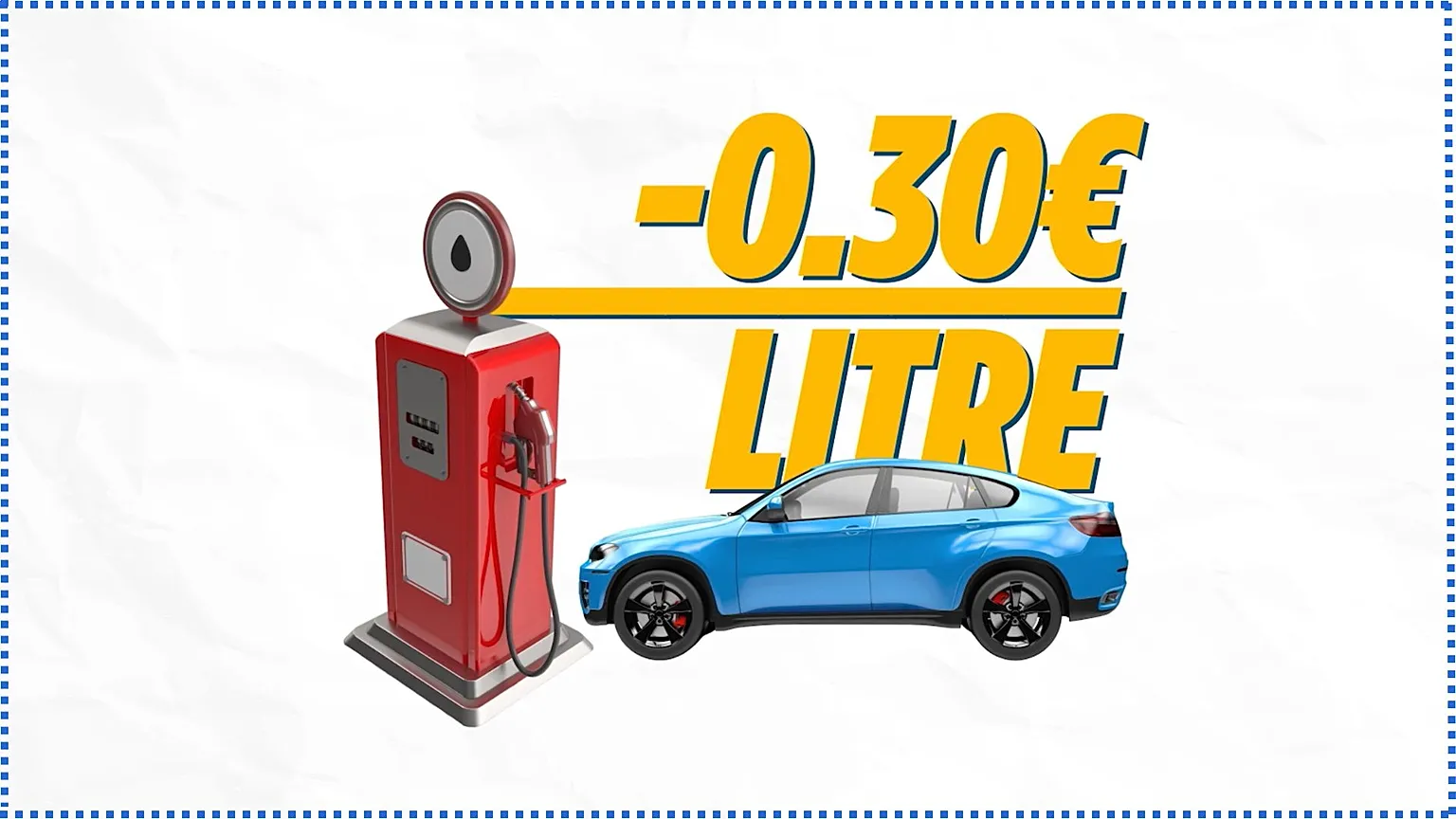
The usual 21% VAT on fuel, electricity, and natural gas will be reduced to 10%. For motorists, this tax cut is projected to lower petrol prices by approximately 30 cents per litre.
Furthermore, the retail prices of butane and propane—the gases commonly used for cooking and heating—will be fully frozen.
Additionally, the government plans to suspend temporarily the tax on electricity production value and provide direct fuel subsidies to farmers and fishermen.
Other countries are adopting similar tactics. Italy and Austria, for example, are preparing their own national tax reductions to protect their populations.
At the recent summit, EU leaders commissioned the European Commission to create temporary emergency policies, essentially expressing the urgent need for rapid solutions to halt financial strain.
However, the overarching conclusion appears to be that only a quicker transition to domestic renewable energy sources can offer lasting protection against volatile fuel prices.
Taking another look at Spain, where nearly 60% of electricity is generated from renewables, the country naturally experiences less effect from gas price fluctuations.
One can only hope for similar levels of solar energy availability here in Brussels.
Watch the full Euronews video above to learn more.