
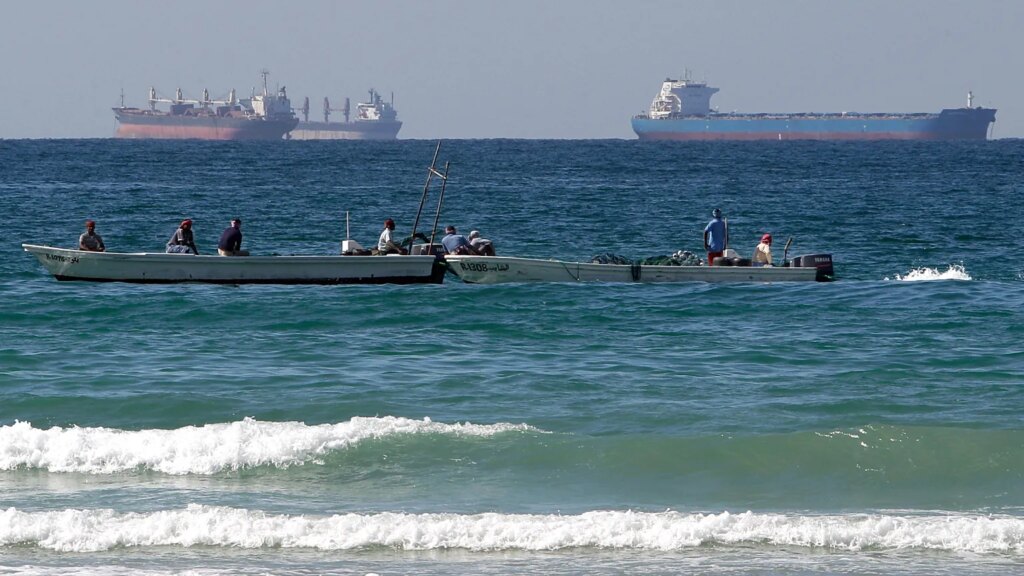
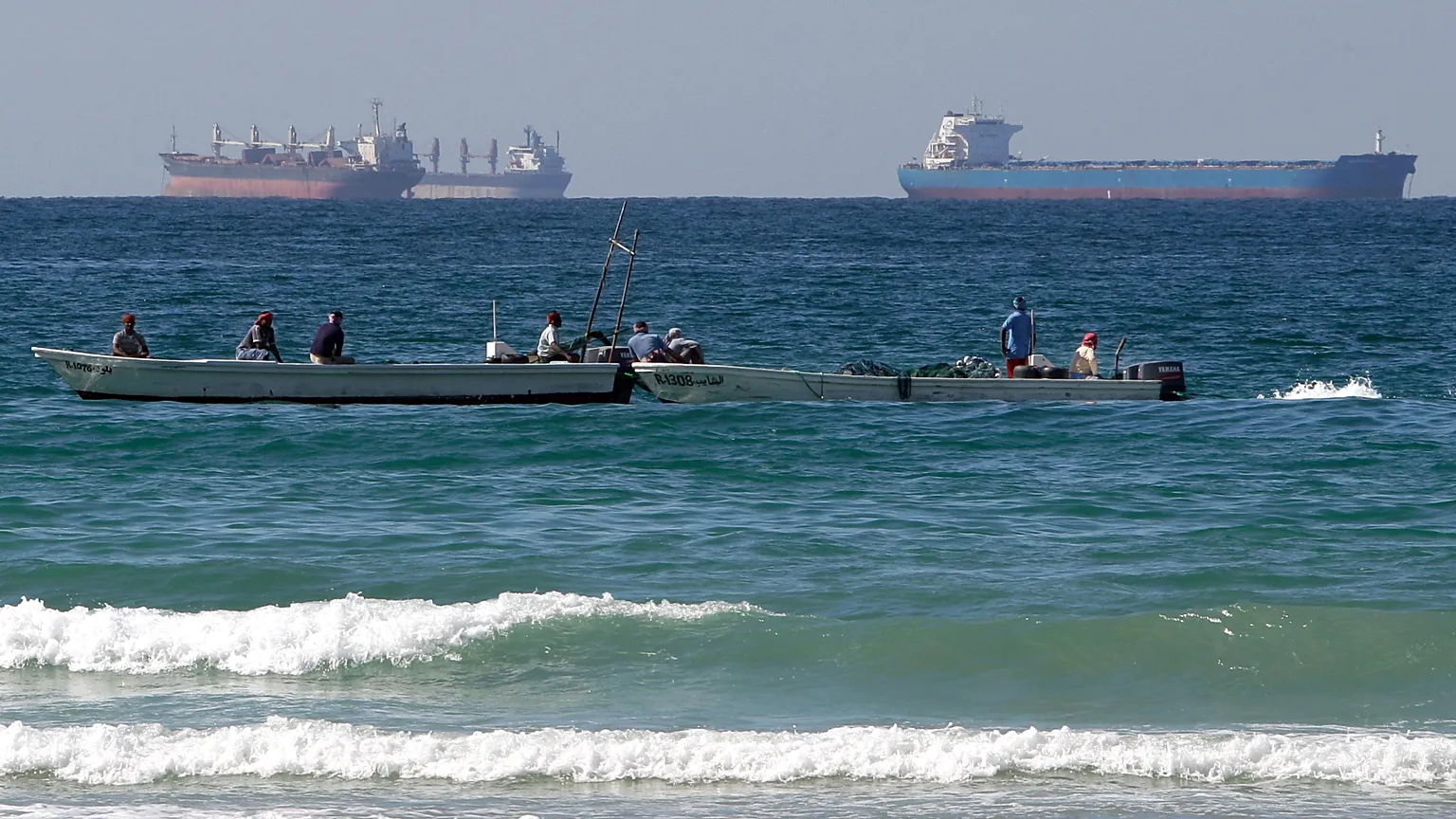
The conflict in Iran is generating significant disruptions in the Middle East, an essential oil and gas hub. Participate in our survey!
Military operations and escalating tensions have complicated the transportation of goods through the Strait of Hormuz, a slender corridor responsible for nearly 20% of the global oil supply as well as substantial liquefied natural gas volumes. Due to security risks, tanker movement has decreased considerably; insurance premiums have surged, and certain major energy facilities in the Gulf have ceased operations.
 ADVERTISEMENT
  ADVERTISEMENT
Consequently, the global energy sector has reacted strongly: oil prices have surged, while natural gas prices—especially in Europe—are climbing as traders worry about extended supply interruptions. A serious energy crisis looms.
Given the European Union imports the bulk of its energy, international disturbances translate into higher expenses for both consumers and industries. Gas price hikes pressure electricity production, heating systems, and manufacturing. Rising oil costs will escalate fuel expenses throughout the economy.
Europe faces this crisis with relatively depleted gas storage after winter and faces limited immediate options for diversifying its supply sources.
However, not all prospects are bleak. The EU has been enhancing its integrated electricity framework, connecting national power grids across member states. This system enables electricity transfer beyond borders, allowing countries with surplus capacity to aid those experiencing shortages or higher fuel expenditure. By expanding cross-border transmission infrastructure and addressing bottlenecks through projects such as the EU’s “energy highways,” the aim is to better integrate markets, stabilize price fluctuations, and optimize the utilization of domestic renewable energy sources.
Will this approach suffice? The anonymous poll only takes seconds to complete. Its outcomes will be showcased throughout the EU. Comprehensive coverage—in videos, articles, and newsletters—will inform future reporting as the exploration continues on securing Europe’s role in the era of artificial intelligence.