
While Hungary’s veto on the €90 billion aid package for Ukraine persists, the European Commission has officially suggested sending inspectors to evaluate the damage to the Druzhba pipeline, which is central to the ongoing conflict.
The European Commission has requested Ukraine’s consent for inspectors to assess damage to the Druzhba pipeline, responding to Hungary’s key condition for lifting its veto on the crucial €90 billion loan until the pipeline returns to operation.
 ADVERTISEMENT
  ADVERTISEMENT
Kyiv has yet to respond to the Commission’s formal appeal, submitted on Thursday.
«Engaged discussions with Ukraine continue on this matter, as has been the case for several weeks,» a Commission spokesperson explained.
«An inspection mission for the pipeline has been proposed to Ukraine.»
Further details were not provided by the spokesperson.
Brussels stresses that approval from Kyiv is required before defining the mission’s mandate. This situation is unprecedented for the Commission, which has never conducted such an inspection, and presents no legal precedent amid a rare dispute between Hungary—accusing Ukraine of sabotage—and Kyiv, which blames Russia.
The inspection might involve officials from the Commission’s energy units, representatives of member states, Ukrainian authorities, and private sector participants. It remains uncertain whether Ukrainian President Volodymyr Zelenskyy will authorize the mission.
For two weeks, Hungary and Slovakia have pressed for what they term a fact-finding mission to evaluate the pipeline, which conveys low-cost Russian crude through Ukraine. Both governments assert they have intelligence confirming the Soviet-era pipeline is functional and that transit is being obstructed due to «political reasons.»
Kyiv, however, states the pipeline was heavily damaged by a Russian drone attack on 27 January and requires repair; ongoing wartime complexities delay these efforts.
On Wednesday, a delegation of four officials from Budapest entered Ukraine to inspect Druzhba. This group, uncoordinated with the Commission, was regarded as «tourists» by Kyiv authorities and refused access. Zelenskyy remarked he was unaware of the Hungarians’ activities within Ukraine.
Hungarian Prime Minister Viktor Orbán has placed a highly personal confrontation with Zelenskyy at the center of his re-election campaign, where polls show him trailing significantly behind the younger conservative candidate Peter Magyar.
«Hungary is neither a nation to be intimidated into submission nor one that capitulates to extortion. Our oil supplies are long overdue, so it’s time to move forward: reopen the Friendship (Druzhba) pipeline!» Orbán declared on Thursday, directly addressing Zelenskyy.
In another video, Orbán alleged that «Ukrainians» have threatened his family, although details were not disclosed. Meanwhile, Ukraine accuses Hungarian officials of theft, seizure, and an attempted abduction after an assault on a convoy of a Ukrainian state bank in Budapest resulted in the confiscation of cash and gold.
Strict deadline imposed on Ukraine
Amid pressure from Brussels to restore the pipeline, Zelenskyy has pledged to announce a date for the «possible reopening» of oil flows.
No specific timeline has been confirmed so far.
Zelenskyy previously highlighted risks to technicians at the site, due to Russian strikes, and questioned the safety of ongoing repair operations. As a strategic asset, energy infrastructure complicates access because of heightened security measures.
The Commission is evaluating financial aid to expedite repair work, although no funding amount has been declared.
Officials estimate Kyiv possesses enough foreign funding to cover ordinary expenses through April end, supported by a G7 credit line already approved and a new programme ratified by the International Monetary Fund (IMF) last year.
Beyond April, access to the €90 billion loan agreed by the 27 leaders in December will be essential. Nevertheless, Orbán’s veto is expected to persist until the Hungarian elections on 12 April, where Zelenskyy is frequently portrayed as corrupt and self-serving in harsh campaigns.
Adding complexity, Slovak Prime Minister Robert Fico stated he may maintain the veto until oil deliveries resume, even should his Hungarian ally lose office.
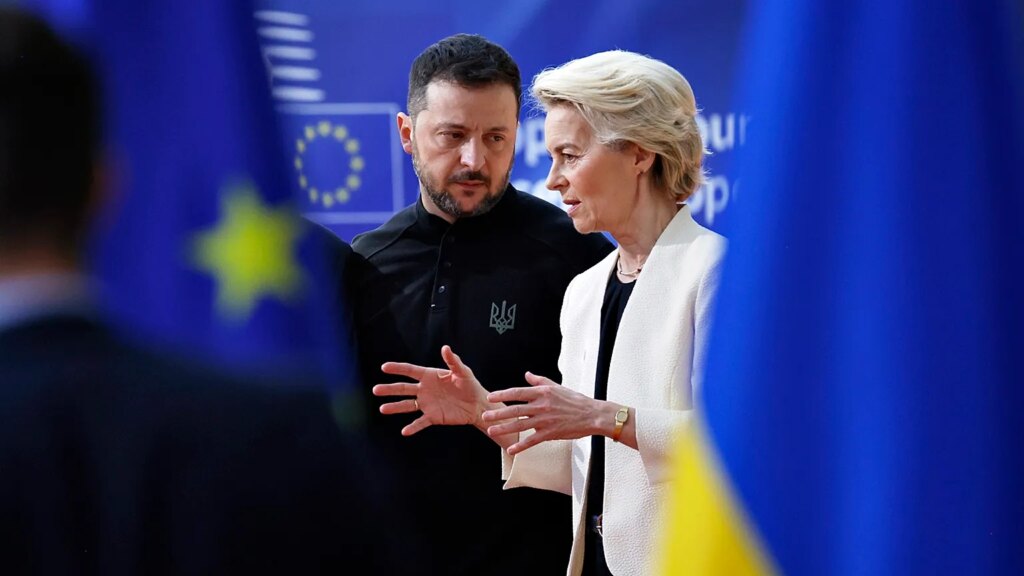
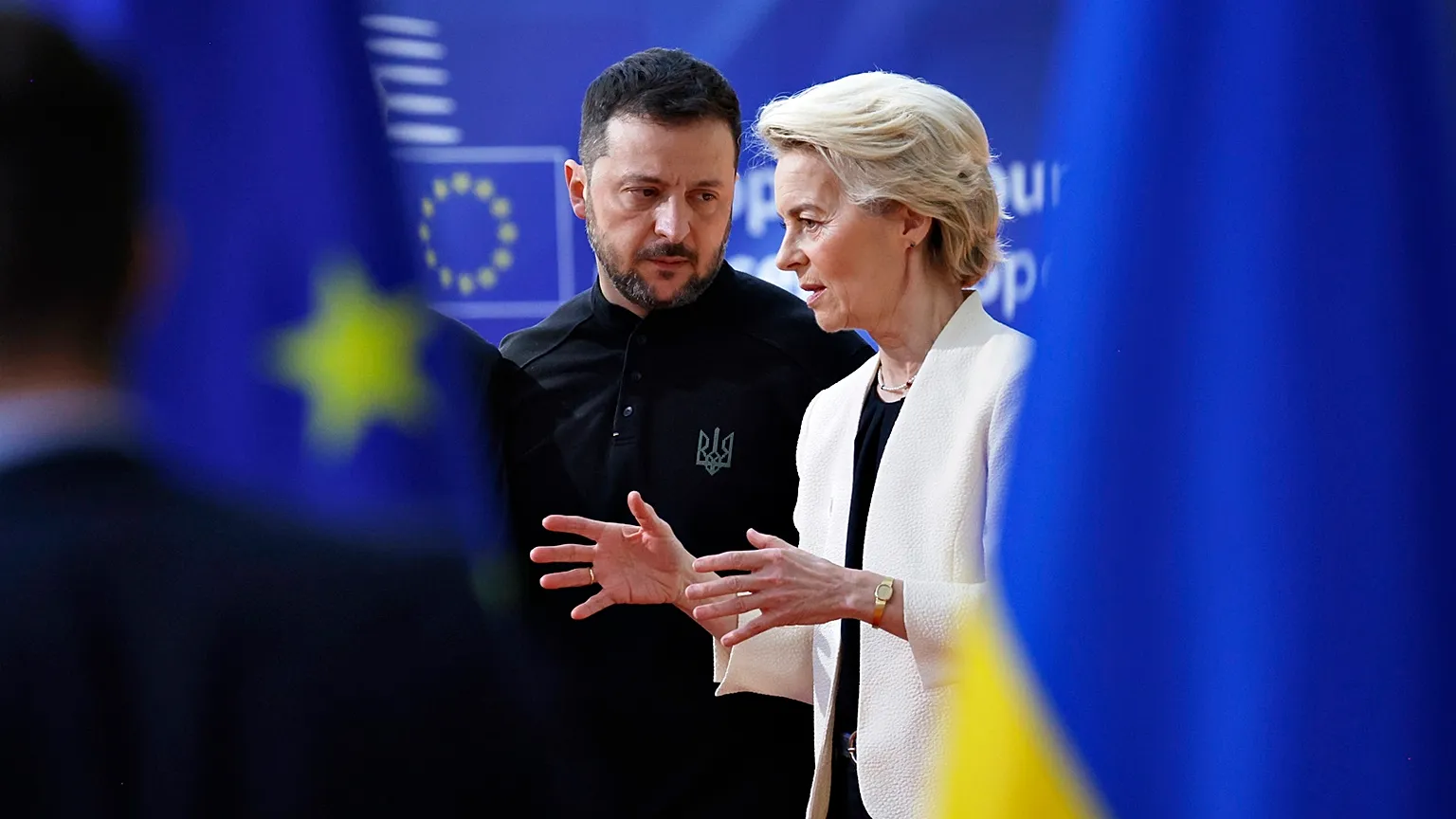
Earlier this week, Fico met with European Commission President Ursula von der Leyen to discuss the issue and offer assistance with repairs. Von der Leyen has also contacted Zelenskyy, attempting to navigate the sensitive situation between the conflicting positions.