
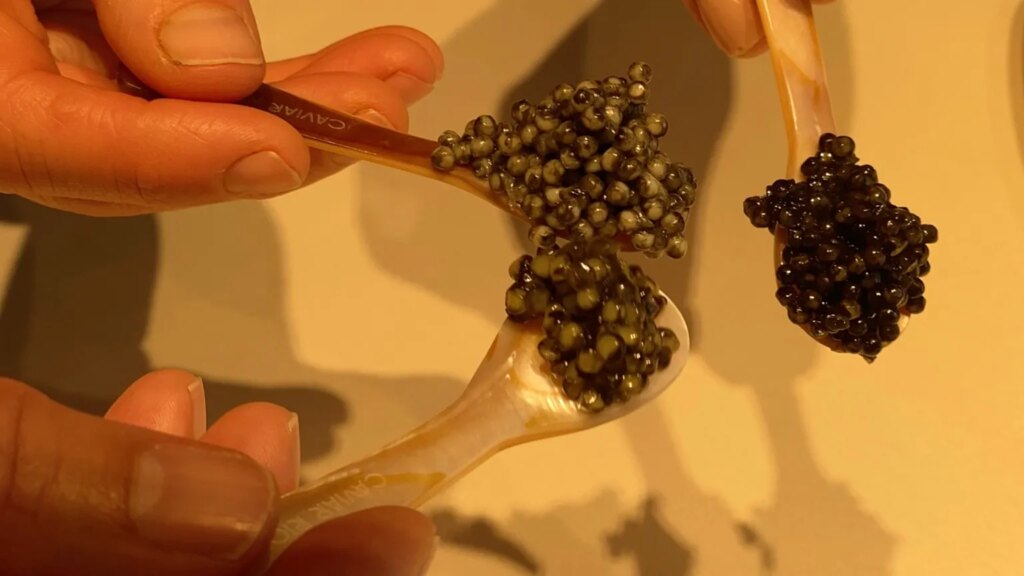
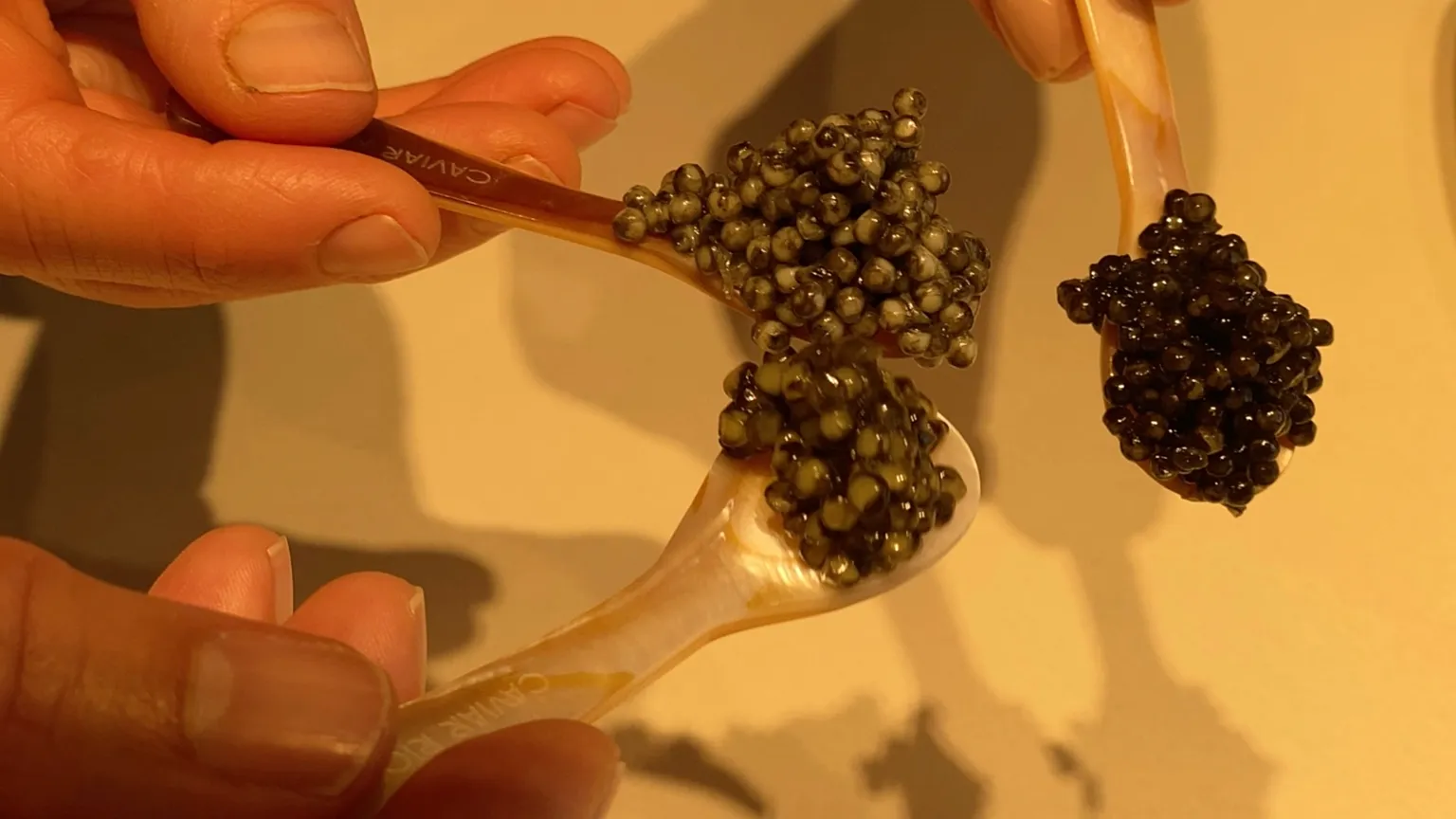
Below is an in-depth look at the ‘world’s first organic caviar’. This delicacy is crafted in a distinctive sturgeon farm located in a small village in southern Spain. The only ingredients are sturgeon eggs and salt, resulting in a ‘special delicacy’… entirely produced within the European Union.
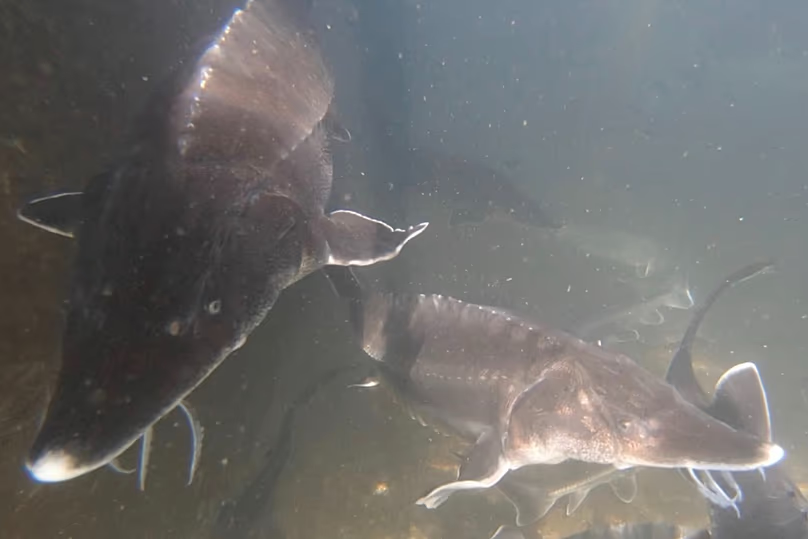
The conditions at the Riofrío sturgeon farm perfectly suit the needs of the fish, which are exclusively nourished with organic vegetables and sustainably sourced fish meat from a natural habitat.
 ADVERTISEMENT
  ADVERTISEMENT
“Sturgeon exhibit a very slow metabolism and take their time to grow. They are definitely not for those seeking rapid results. We refrain from any acceleration methods, allowing the fish to produce caviar naturally,” clarifies Ignacio Alba Alejandre, a veterinarian at Caviar Riofrío.
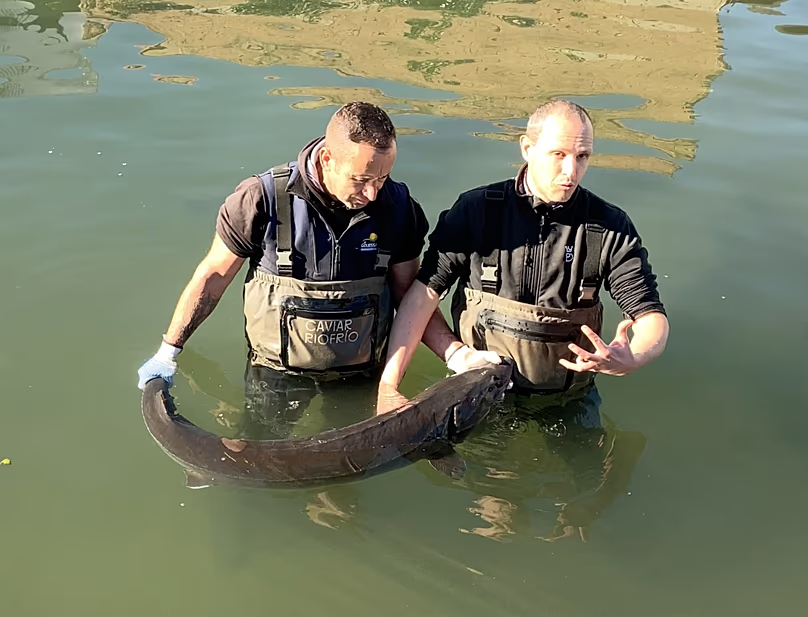
The natural spring supplying water lies merely 300 metres upstream from the facility. Here, organic caviar is produced using solely sturgeon eggs and salt, without any additives. Annually, the company distributes roughly two tonnes of three distinct caviar varieties, exporting them to Japan, Taiwan, France, the UK, the Netherlands, and Portugal, among others. The rarest variety has reached prices as high as €8,000 per kilogram.
“Our organic certification aims to guarantee to clients that this product adheres to very stringent quality criteria. The delicate flavors allow consumers to savor the caviar as if they caught the fish themselves in a river or the sea and ate the caviar fresh,” states Carlos Portela, the managing director of the company.
Additionally, each year the company also sells approximately 15 tonnes of sturgeon meat, offered in smoked or confit forms.
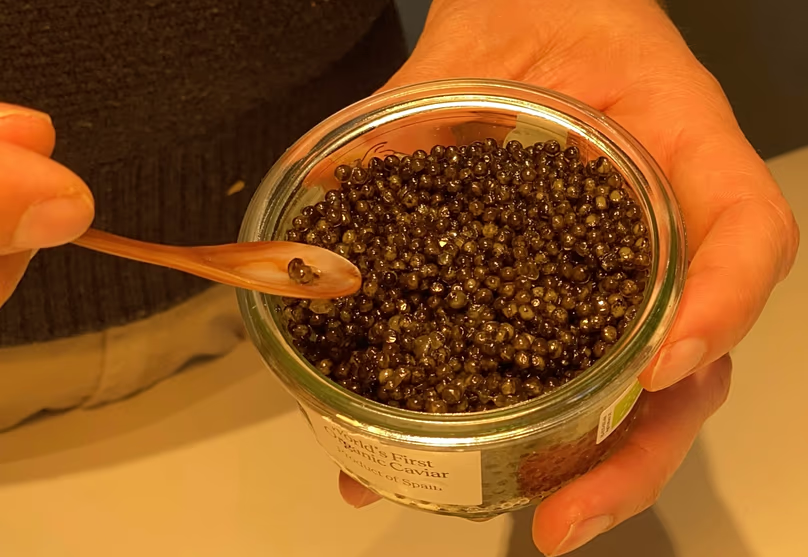
This longstanding luxury product, organic caviar and related goods, are now accessing new markets and attracting additional customers, according to company officials. “Caviar is a delicacy. It is never consumed by the spoonful. It’s meant to be enjoyed slowly, savoring its moment; closely tied to joyful occasions with family or friends,” Portela remarks.
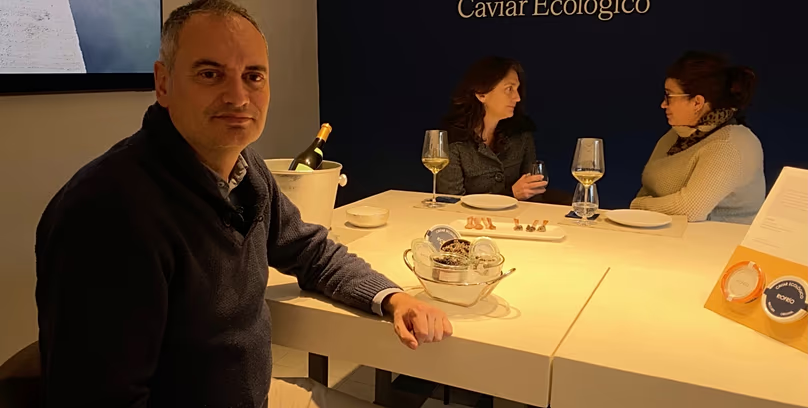
This appreciation extends even far from the sturgeon farm. On the Mediterranean coast, Los Marinos José restaurant serves about 80 diners daily during winter, increasing to 200 during the summer season. Their menu completes with fresh fish and shellfish. In recent years, dishes featuring caviar have steadily found a place in their offerings.
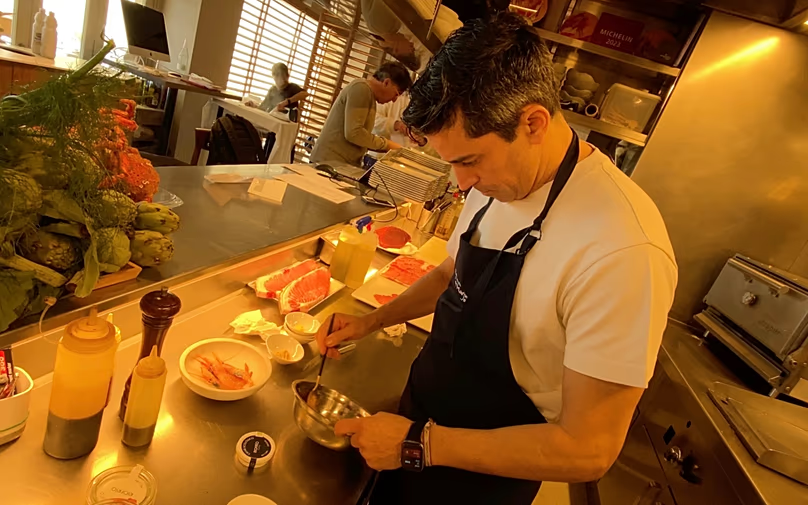
“The price is more accessible than before, as the number of suppliers and producers has widened,” explains Pablo Sánchez López, chef and co-owner. “Our goal is to make it affordable so more people can try it. We want customers to experience flavors different from their usual meals.”
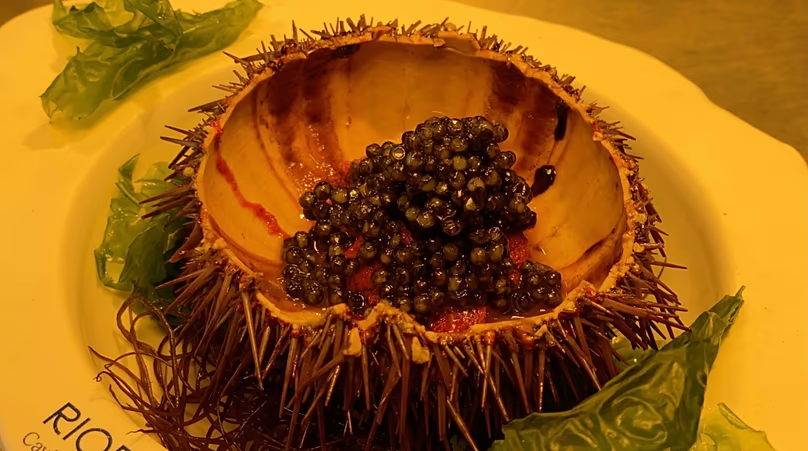
According to managers at Caviar Riofrío, about 70% of the caviar consumed worldwide originates from Chinese fish farms. Consequently, it is neither Russian nor Iranian, and certainly not sourced from the wild.