
The EU continues to be the region with the lowest corruption levels but progress on reforms has stagnated, with Hungary and Bulgaria performing worst, the Nordics leading, and watchdogs alerting to growing threats.
The European Union remains the region with the least corruption worldwide, although anti-corruption initiatives have largely come to a halt over the last ten years, reveals Transparency International’s 2025 Corruption Perceptions Index published Tuesday.
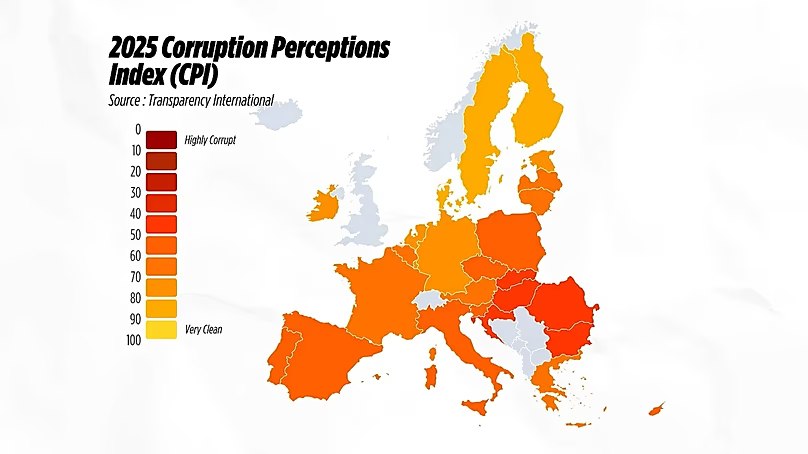
The global average score dropped to a record low of 42, whereas the EU’s regional average stands at 62 out of 100.
Since 2012, thirteen countries in Western Europe and the EU have experienced notable declines, while only seven have recorded significant improvements.
Hungary received a score of 40, matching Bulgaria as the lowest-ranking EU member states. Romania obtained 45 points.
The weakening of checks and balances in Hungary creates «a hazardous environment for corruption,» stated Flora Cresswell, regional advisor for Europe at Transparency International, during her interview with Euronews.
«Due to restrictions on media freedom, judicial independence being compromised, and the overall rule of law system deteriorating in the country, alongside growing risks of corruption in public expenditures, the accountability framework within Hungary has substantially weakened,» Cresswell clarified.
Denmark achieved 89 points, Finland 88, and Sweden 80, ranking them as the top-performing EU members in the index.
‘Shifting Focus Away from Priorities’
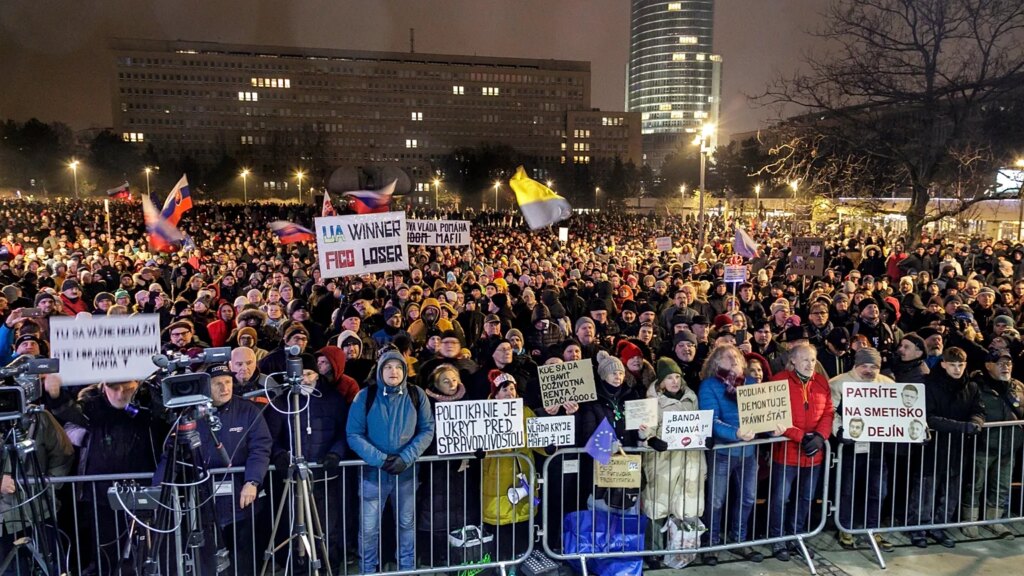
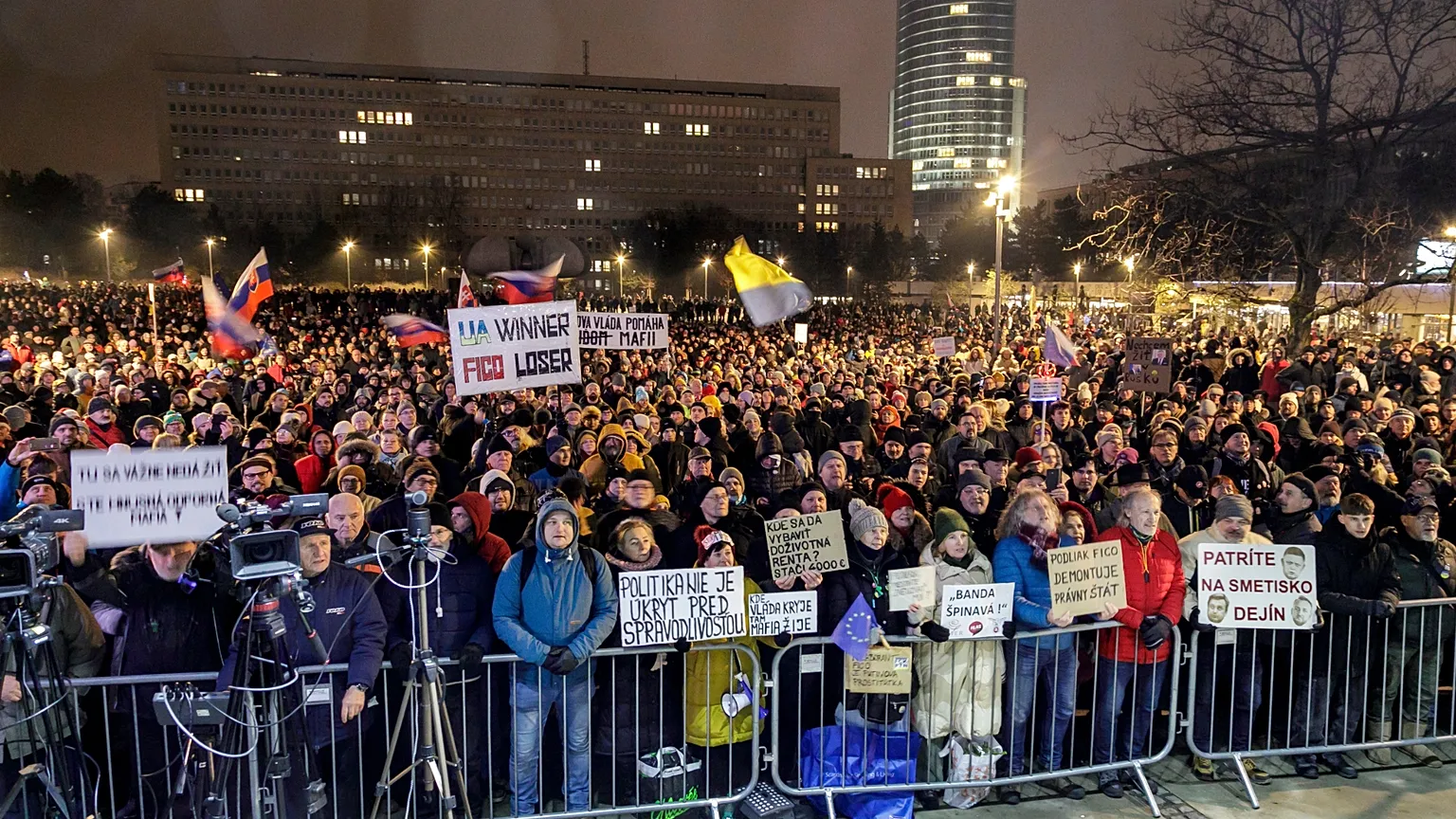
Transparency International identified backsliding patterns in Slovakia, which earned 48 points.
«In the past year in Slovakia, governmental campaigns have targeted the independent whistleblowing body, weakening the capacity to investigate and prosecute corruption cases,» Cresswell noted.
France scored 66 and Sweden 78, both showing declines linked to challenges in enforcing sanctions and scandals affecting integrity. The Netherlands achieved 78, also recording a downward trend.
«A recurring issue is that several countries appear to be neglecting updates to their anti-corruption frameworks,» Cresswell remarked.
«This applies especially to the Netherlands and Sweden, where lobbying transparency and political finance regulations lack robust standards.»
The Baltic nations saw score improvements after adopting efficient anti-corruption policies and enhancing transparency regarding lobbying activities and beneficial ownership, Cresswell added.
Anti-corruption directive
In December 2025, the EU reached agreement on its inaugural Anti-Corruption Directive aimed at aligning criminal legislation concerning corruption.
The provisional deal between the Council and the European Parliament defined EU-wide offenses and penalties for corruption.
It requires annual publication of EU corruption data and obliges member states to develop and disclose national anti-corruption strategies.
Cresswell criticized the directive as «lacking ambition,» pointing out that critical measures such as lobbying transparency, conflict of interest regulations, and stricter political finance disclosure remain optional.
The directive is anticipated to be officially adopted in March, with member states allotted two years to implement the measures.