
The demand for European arms production and exports remains strong. Gun regulations across EU member states differ, complicating the creation of a unified EU framework. Is it possible for the EU to overcome this fragmentation? Consult the Euronews AI chatbot.
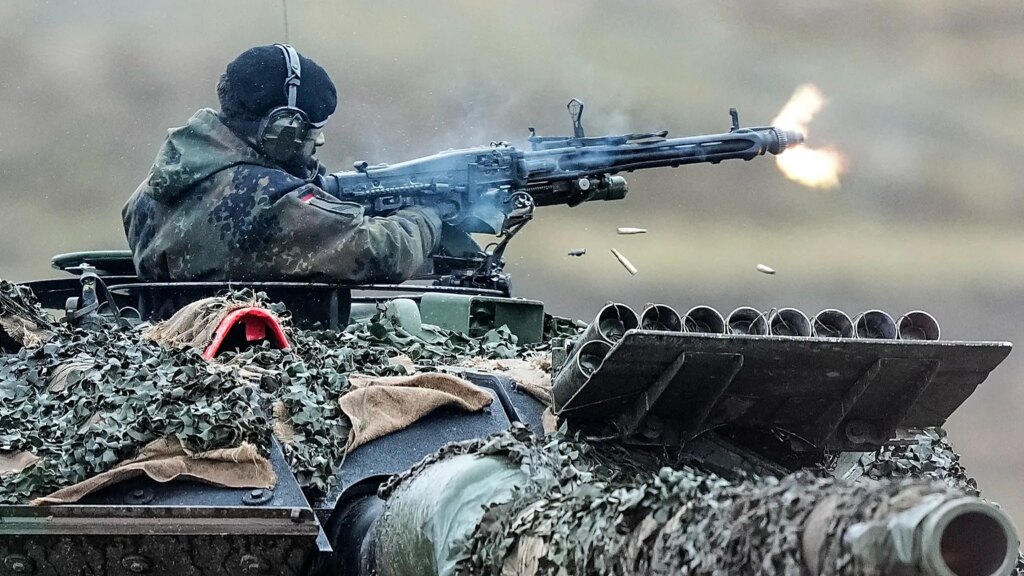
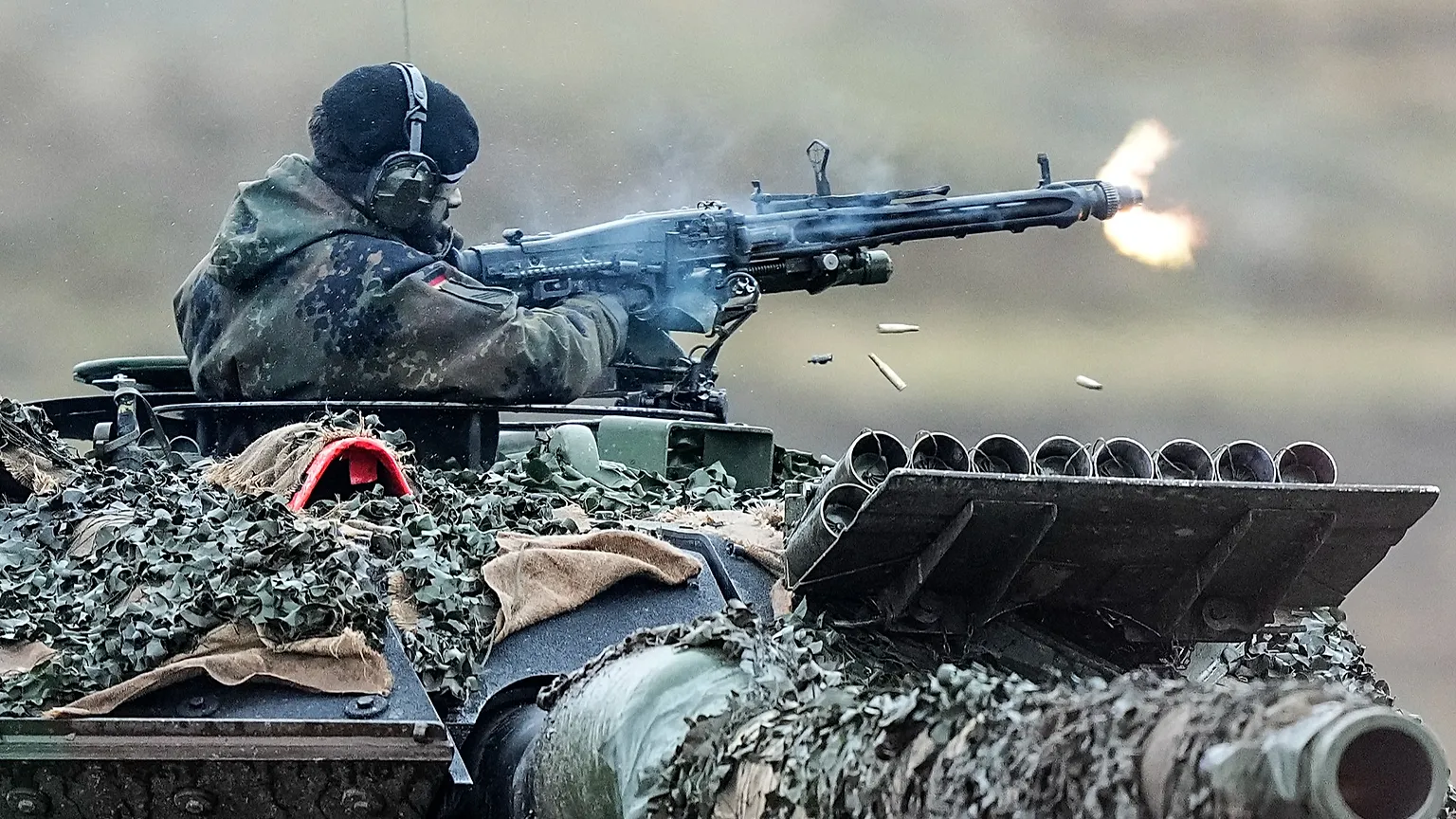
In 2025, the European firearms industry saw its annual revenue reach an unprecedented €183 billion. Meanwhile, the European Commission’s deployment of €800 billion for security and defence via ReArm Europe raised weapons and ammunition manufacturing capacity from around 300,000 rounds in 2022 to 2 million rounds in 2025.
Europe represents nearly 25% of worldwide arms exports. Recent figures indicate over 33,700 arms export licenses issued in 2023, worth more than €298 billion for military hardware and technology.
This strong foothold in the arms sector has sparked discussions regarding the balance between security concerns and economic gains. Meanwhile, the EU is preparing to implement more harmonized and rigorous laws governing firearm acquisition and ownership.
The European Commission reported that in 2017, civilians in the EU possessed 35 million illegal weapons, constituting 56% of all estimated firearms. The varied national gun legislation continues to challenge the establishment of unified EU firearms regulations.
While the EU can enforce baseline standards for guns within the common market, individual states retain sovereignty over their gun laws. Consequently, a semi-automatic rifle could be lawful in one nation yet prohibited in another, generating loopholes exploited for illegal arms trafficking.
For further insights regarding Brussels’ strategy to regulate the arms industry while fostering growth, consult the Euronews AI chatbot!