
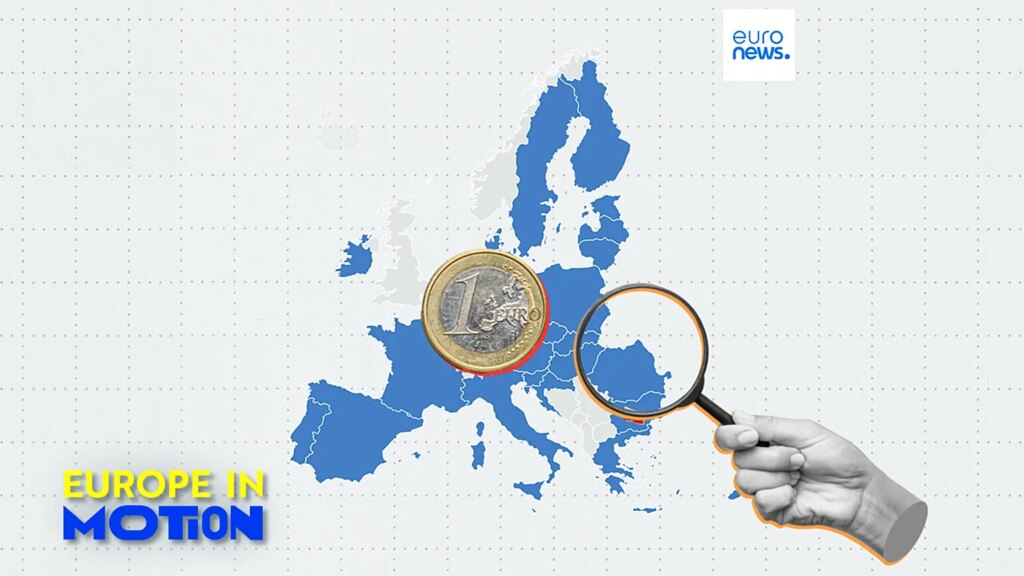
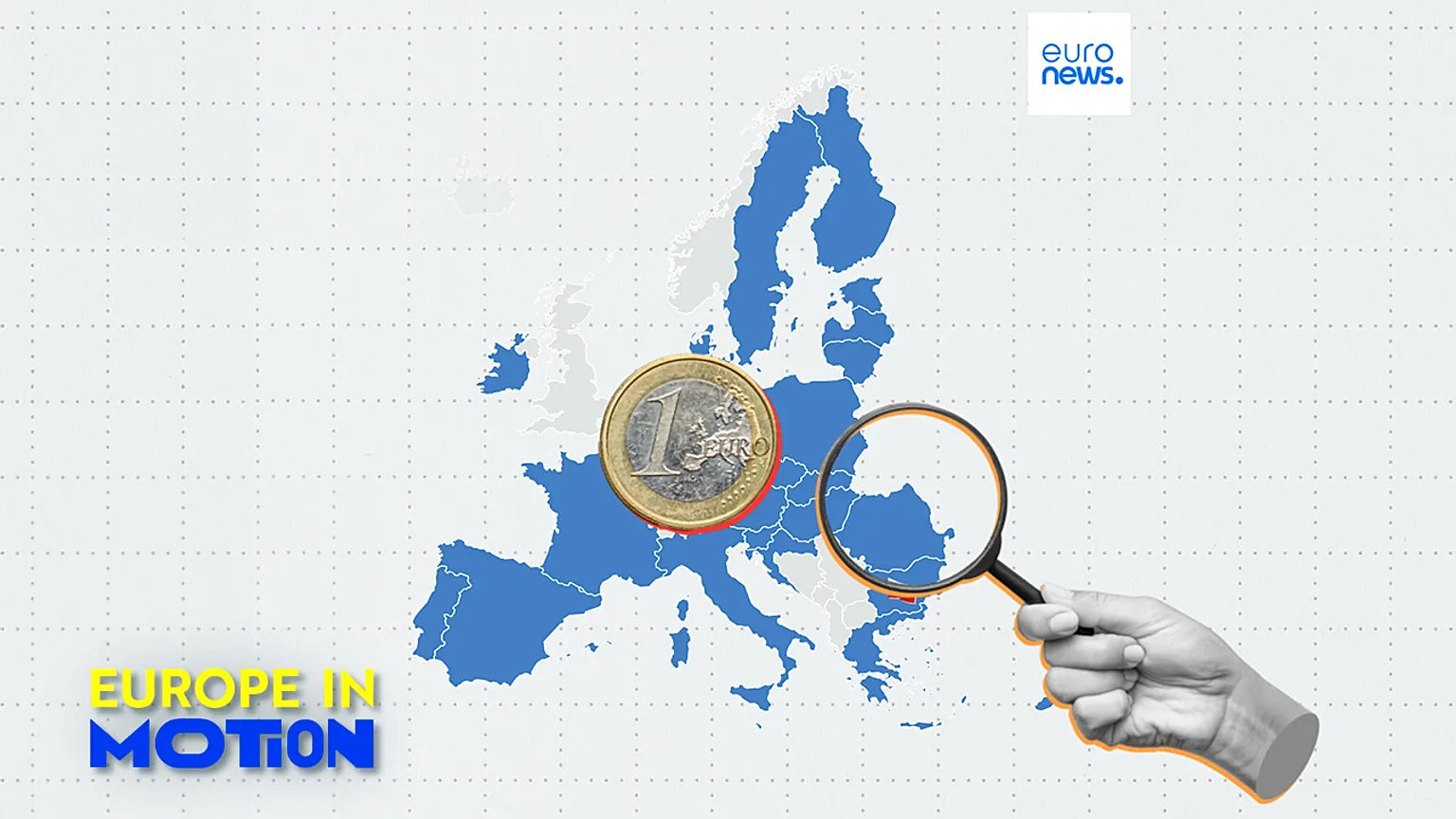
A recent Eurobarometer survey reveals that backing for the euro remains strong throughout the EU, with experts asserting that the currency has simplified cross-border business within the EU.
As Bulgaria kicks off the new year leaving behind the Lev, recent Eurobarometer results indicate that close to 80% of participants in the eurozone consider the euro beneficial for the EU.
The currency enjoys the greatest approval in Finland (91%), Lithuania (85%), Slovenia (85%), and Slovakia (85%).
Conversely, only 38% of respondents in Croatia view the euro positively for their nation, marking a six-point decline since 2024.
Notable drops in support are also observed in Estonia and Belgium, where approval fell by 6 and 5 percentage points, respectively.
Most Croatian participants report that price changes during the euro’s introduction negatively influenced costs throughout the transition.
In Croatia, 59% of people continue to convert euro prices back into Croatian kuna when shopping.
Despite a majority in the eurozone associating the euro with a sense of European identity, this sentiment is shared by only 46% of Croatians.
Younger groups tend to view the euro more favorably, considering it advantageous for both their country and the EU.
The age group 15 to 24 (76%) shows the strongest belief in the euro’s benefits for their nation, while approval rates are lower among those aged 25 to 39 (71%), 40 to 54 (69%), and 55 and above (69%).
What effect does the euro have on pricing?
Nearly 79% of EU respondents attest that the euro has facilitated business operations across multiple EU countries—a consensus particularly strong in Slovenia, Belgium, and France.
About 80% also agree that the euro has simplified price comparisons and shopping across borders.
Close to half of the surveyed population (48%) believes the euro has decreased banking fees related to travel within the EU, whereas 32% feel the currency has not affected such charges.
More than half of eurozone respondents mention that travelling has become easier and less expensive thanks to the euro.
Nevertheless, not all euro coins enjoy equal acceptance.
Approximately 60% of eurozone participants support eliminating 1- and 2-cent coins.
Currently, several national laws mandate or encourage rounding euro payments to the nearest five cents, especially for final totals in retail outlets such as supermarkets. This practice is established in Belgium, Finland, Ireland, the Netherlands, and Slovakia.
Bulgaria is the EU’s least affluent member state, and while the adoption of the euro is seen by many as a potential economic stimulus, worries about inflation and political volatility remain prevalent.