
Washington has largely halted weapon shipments to Ukraine this summer, urging European nations to independently acquire and donate arms—which those allies have done so far at a rate of millions of euros monthly.
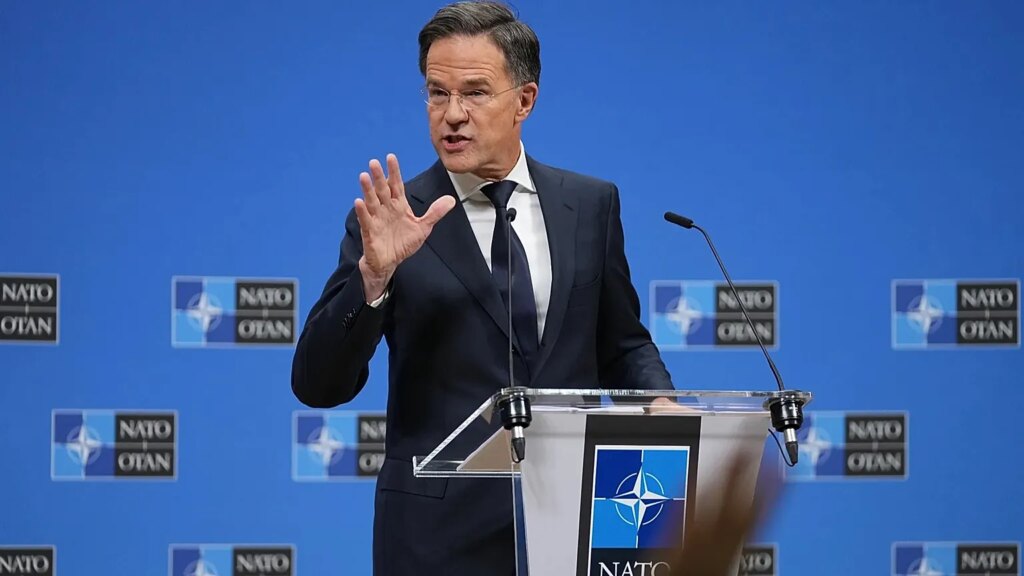
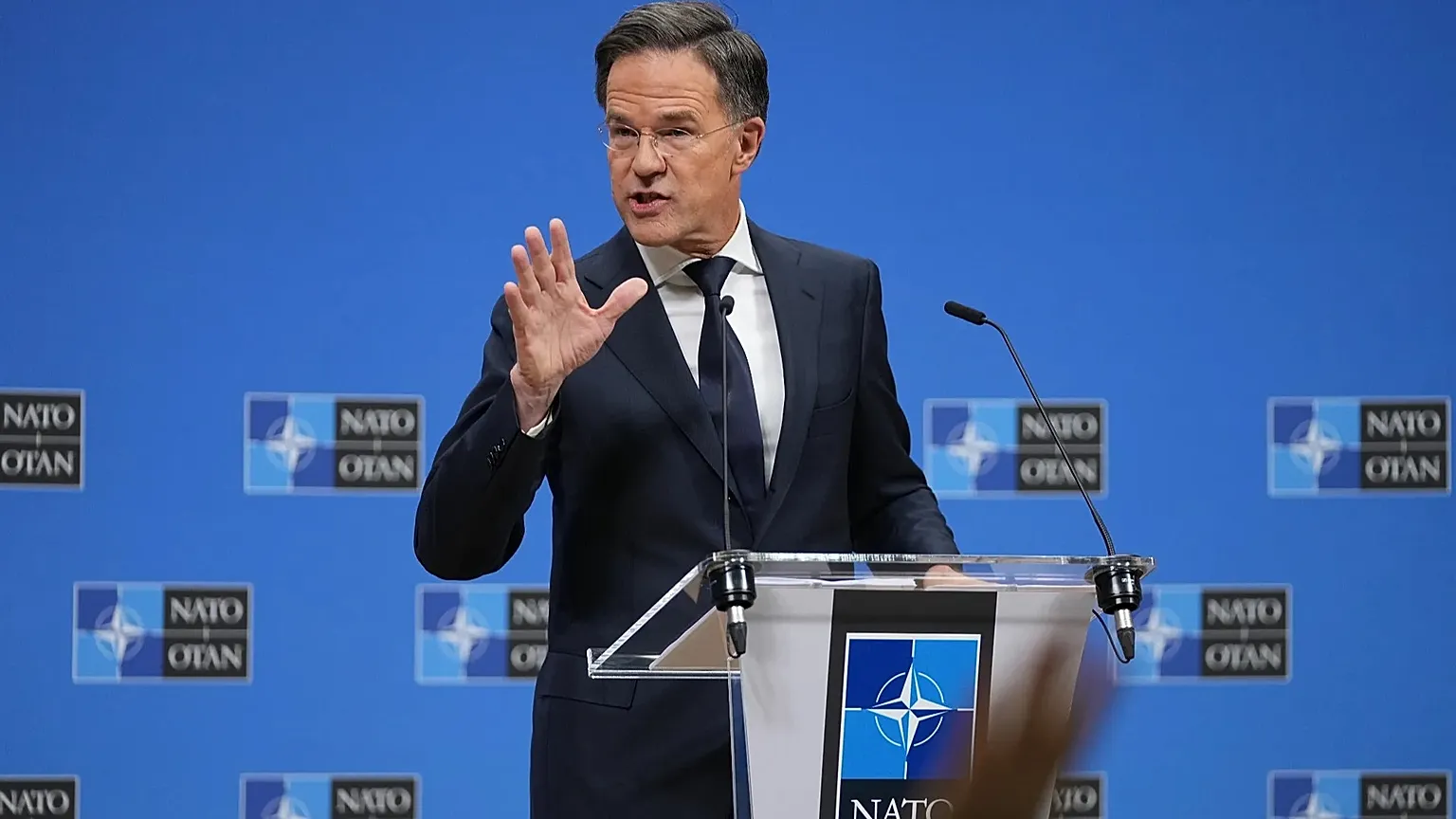
NATO Secretary General Mark Rutte expressed on Wednesday a strong belief that Ukraine’s allies will have committed $5 billion (€4.3 billion) by year’s end to procure US-made arms, maintaining the supply to Kyiv after Washington paused direct military aid to the conflict zone.
Rutte stated that allies have now made multibillion-dollar commitments to purchase US military equipment under the Prioritised Ukraine Requirements List (PURL) initiative, which enables NATO to coordinate procurement from US stockpiles the Ukrainian forces require.
This scheme began in July following the Trump administration’s decision to significantly curb its shipments of both lethal and non-lethal aid to Ukraine. More than 20 allies have contributed to this effort so far.
This week, five allies announced additional funding commitments: Canada (€171 million), the Netherlands (€214 million), plus Norway, Poland, and Germany, which together pledged €429 million.
Despite not being NATO members, Australia and New Zealand have recently declared their participation in the programme.
Rutte indicated that this newest wave of contributions is «putting us on course to reach $5 billion for the entire year» during comments following NATO foreign ministers’ meetings in Brussels.
He also noted that the number of participating allies is likely to expand, emphasizing that after five months of the programme’s existence, «only a few nations» have yet to commit through PURL.
These laggards include Italy and France, with France favoring donations of European-manufactured equipment.
This situation has caused growing dissatisfaction among some of the countries involved.
Upon arrival at the NATO summit, Lithuania’s foreign minister Kęstutis Budrys stressed the necessity of «sharing the burden».
He added, «The current approach cannot rely solely on Nordic, Baltic states, Germany, Poland, and some others.»
Ukraine is projected to require at least €83 billion for its military expenditures across the next two years. Europeans, who have thus far been the primary contributors of military and macro-financial aid, are expected to bear most of this load.
Rutte forecasted that PURL commitments might maintain a pace of about one billion US dollars monthly through the end of 2026.
«For the coming year, substantial funds will again be necessary,» he remarked earlier in the day. «At least one billion, possibly slightly more per month. The annual total could amount to around $15 billion, or perhaps a bit beyond.»