
The EU Chemicals Agency was expected to issue an opinion on ethanol’s safety prior to Christmas, yet disagreements within scientific panels led to a postponement. Legislators demand decisions grounded in evidence rather than haste.
The European Union is evaluating whether ethanol, commonly employed as a disinfectant in medical settings, should be classified as a hazardous substance, though a final verdict is pending due to the absence of agreement among scientific committees at the EU chemical agency.
Today, European legislators and the European Commission engaged in discussions on the matter, with the debate dominated by concerns over possible effects on healthcare institutions.
Klaus Berend, head of food safety at the Commission’s health and food safety division, informed members of the European Parliament that the Commission may approve ethanol use in disinfectants, provided no verified risks are identified.
Members of the European Parliament, Christine Singer and Andreas Glück, urged their colleagues to handle the legislative dossier «at a suitable political level».
“The proposed classification of ethanol (…) represents a significant political choice impacting public health services, supply chain stability, industry sectors, household economies, and regional value chains throughout Europe,» Singer stated to Euronews.
«Prior to implementing restrictions or effective bans, the Commission must comprehensively consider all social, economic, and structural implications. Regulations should safeguard health while remaining practical, proportionate, and politically accountable,” she emphasized.
A decision delayed
Ethanol is a transparent liquid widely used both as a fuel and as a disinfectant. The EU’s review focuses solely on its application within biocidal products, including disinfectants and pesticides.
According to the EU27 biocidal products regulation, all active substances in such products require authorization preceded by formal approval.
The European Chemicals Agency (ECHA) announced it intended to release its opinion before the Christmas period but postponed this until next year following insistence from independent experts representing EU member states.
Scientific advisors have been examining ethanol’s hazardous properties within a committee dedicated to assessing the safety and efficacy of biocidal products, alongside evaluating alternative substances.
On September 25, subgroup sessions concluded that ethanol may be carcinogenic and pose risks to human reproductive health. However, the plenary group did not reach an accord.
«Because of the disagreement and the necessity to improve the assessment of possible alternatives, the Committee deferred the opinion,» ECHA stated.
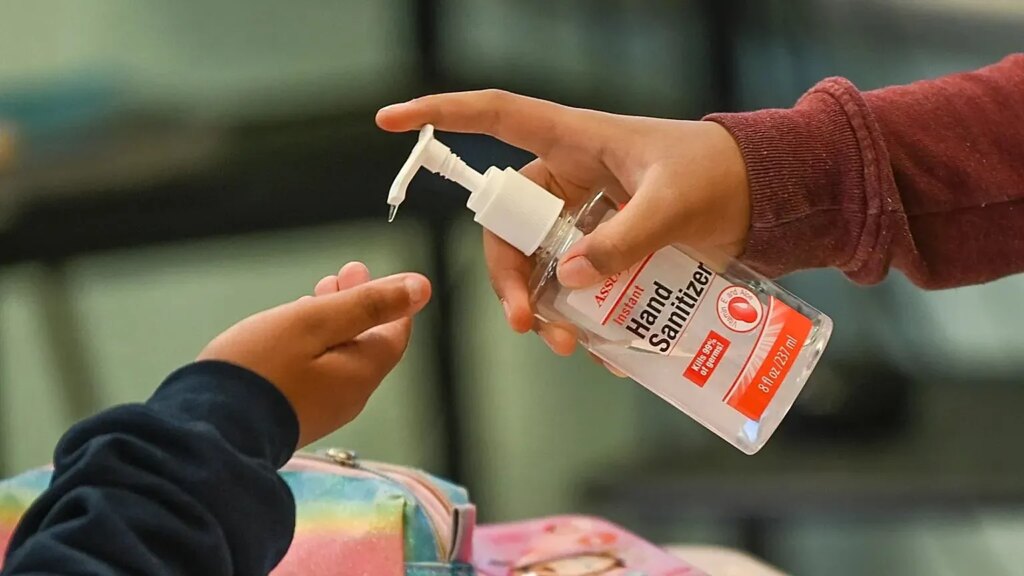
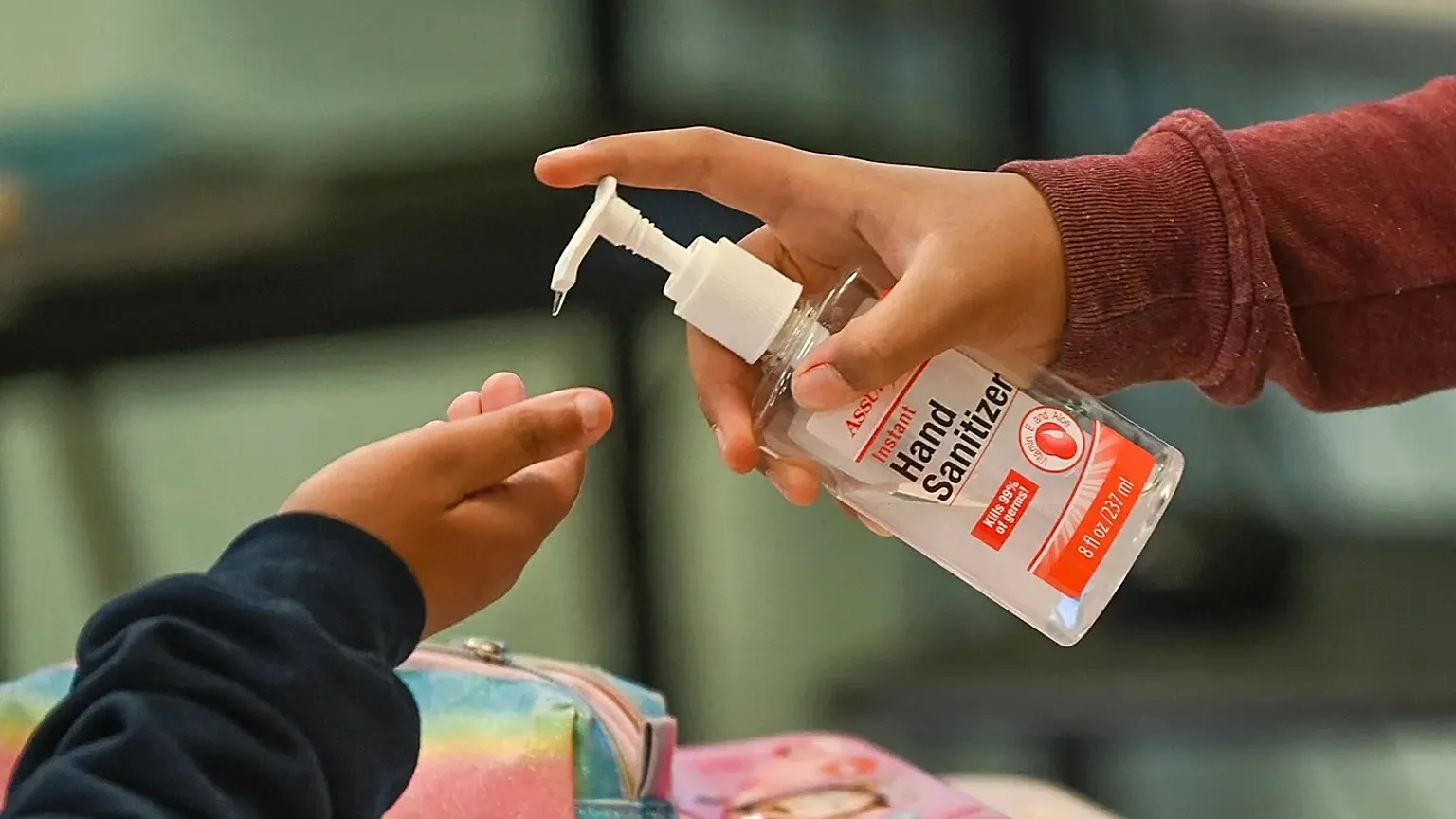
«Beyond hazard characteristics, the committee will assess the risks associated with particular uses, like hand sanitizers, considering exposure types such as skin contact,» an ECHA spokesperson told Euronews.
Even if ethanol is ultimately categorized as carcinogenic and reprotoxic, ECHA noted that approval is still possible. Products containing ethanol could remain on the market provided their usage is deemed safe and viable alternatives are taken into account, reaffirming the Commission’s position.
ECHA’s scientific panel will recommence classification discussions regarding ethanol in February 2026. An updated review of alternatives is scheduled for May, after which the Commission will deliver the final decision.