
The restoration of the Druzhba pipeline sets the stage for approval of the €90 billion loan for Ukraine and initiates a new series of sanctions against Russia, both previously blocked by Hungary.
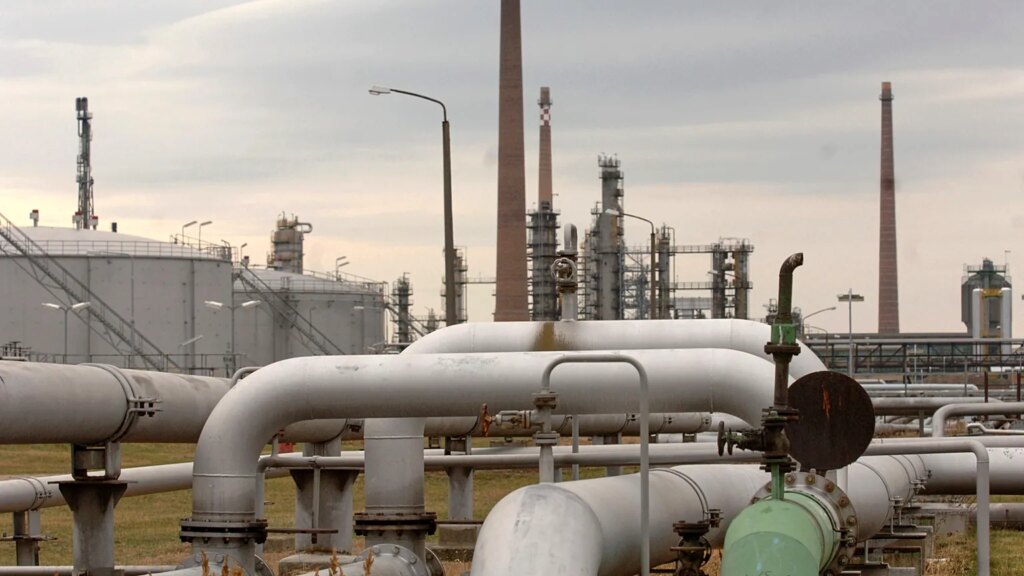
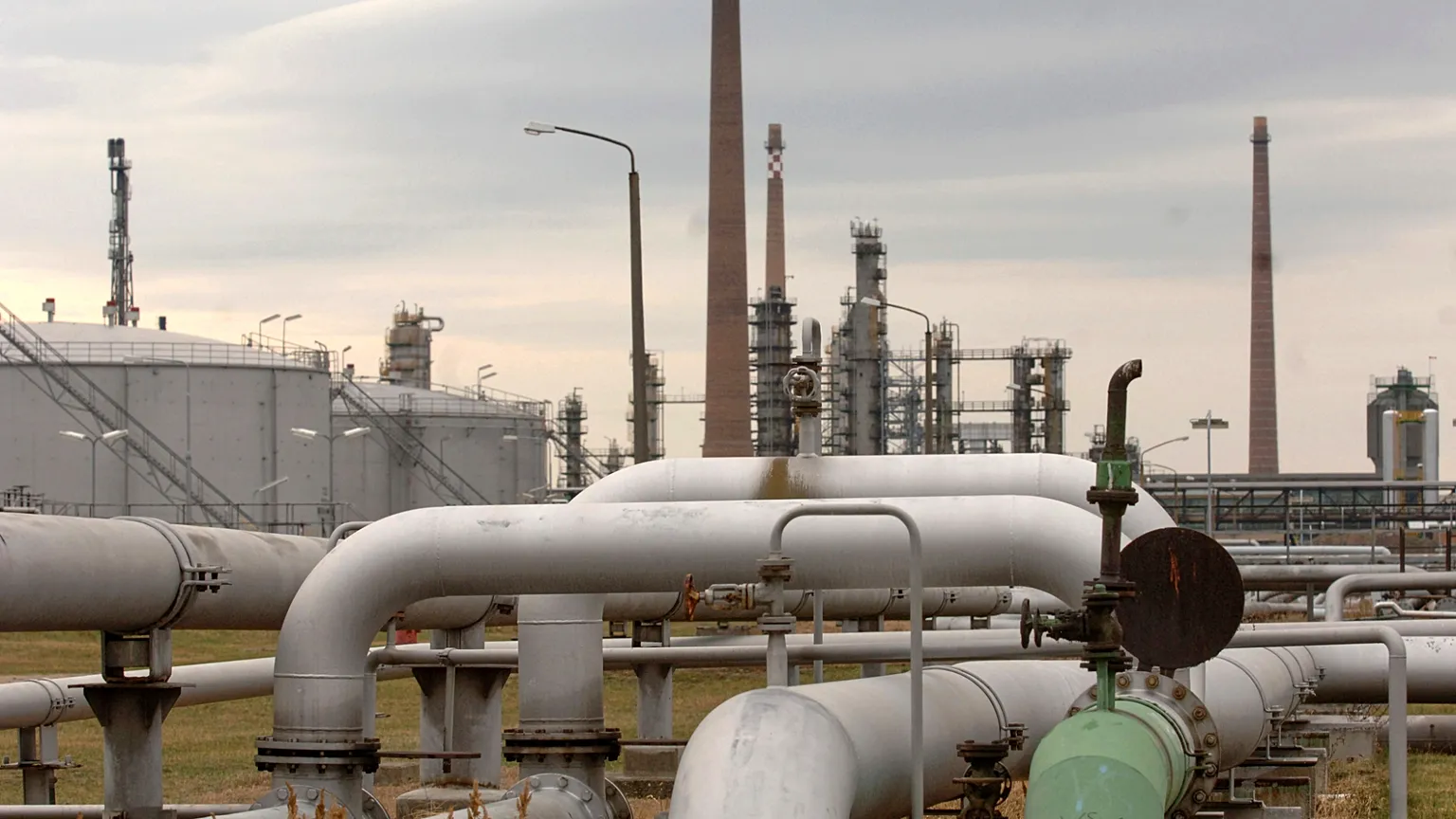
The Druzhba pipeline, transporting Russian oil through Ukraine to Hungary and Slovakia, has undergone repairs and is now ready to restart operations, Ukrainian President Volodymyr Zelenskyy announced, ending months of deadlock between Kyiv and Budapest.
 ADVERTISEMENT
  ADVERTISEMENT
This Soviet-built pipeline has been inactive since late January, following a Russian drone strike in western Ukraine.
«Ukraine has finalized repair works on the section of the Druzhba pipeline that sustained damage due to the Russian attack,» Zelenskyy stated in a post on X.
«The pipeline is now able to resume its function,» he confirmed.
This declaration clears the path for Hungary to withdraw its veto on the €90 billion loan for Ukraine, ratified by EU leaders last December but unexpectedly blocked by outgoing Prime Minister Viktor Orbán in February as a response to halted oil deliveries. The last-minute veto angered other EU leaders, who considered it a violation of the principle of honest cooperation.
In his statement, Zelenskyy expressed confidence that the impasse will end.
«We link this development to the unlocking of the European support package for Ukraine, which the European Council had already approved,» he noted.
Orbán, who is nearing the conclusion of his 16-year tenure after a tough electoral loss, indicated on Sunday that he would retract his objections once oil transit recommences.
Should Orbán honor this commitment, the final part of the loan could receive approval as soon as Wednesday, when EU ambassadors convene in Brussels. Hungary, Slovakia, and the Czech Republic have secured exemptions from the borrowing.
Payments might begin soon thereafter on a phased schedule. The initial 2026 allocation designates €16.7 billion for financial aid and €28.3 billion for military support, contingent upon the Ukrainian government’s implementation of reforms.
Relief in Brussels
The update has brought relief to Brussels, where the dispute over the Druzhba pipeline placed EU institutions in a difficult position. While condemning Orbán’s veto as an «unacceptable» act of «blackmail,» officials also publicly urged Zelenskyy to expedite the repairs.
Brussels even proposed funding the repairs via EU resources and sending experts to the site, responding to Orbán’s key requests. However, no inspection was conducted.
«Thanks to President Zelenskyy for fulfilling the agreed commitment: fixing the Druzhba pipeline and restoring its operation,» European Council President António Costa remarked.
High Representative Kaja Kallas anticipates the veto being lifted «within 24 hours».
«I hope to avoid jinxing this. We have witnessed several twists in this matter,» Kallas said from Luxembourg.
«This is the December agreement. Ukraine promised to resume the flows, so hopefully all barriers are removed.»
Beyond the loan issue, the intense disagreement over the pipeline has also stalled new sanctions against Russia, blocked by Hungary and Slovakia alike.
The proposed sanctions package includes a complete ban on maritime services for Russian oil tankers, aiming to increase operational costs and reduce energy earnings.
«It is essential to maintain continuous and systematic sanctions pressure on Russia regarding this conflict, while working to diversify energy sources for Europe,» Zelenskyy emphasized.
«Europe must secure independence from those who intend to harm or weaken it.»
Nonetheless, even if approved, the full ban won’t take immediate effect, as Greece and Malta seek to condition it on a G7-level consensus. Conversely, countries like Sweden and Finland prefer to proceed without delays.
This article has been updated with additional information.