
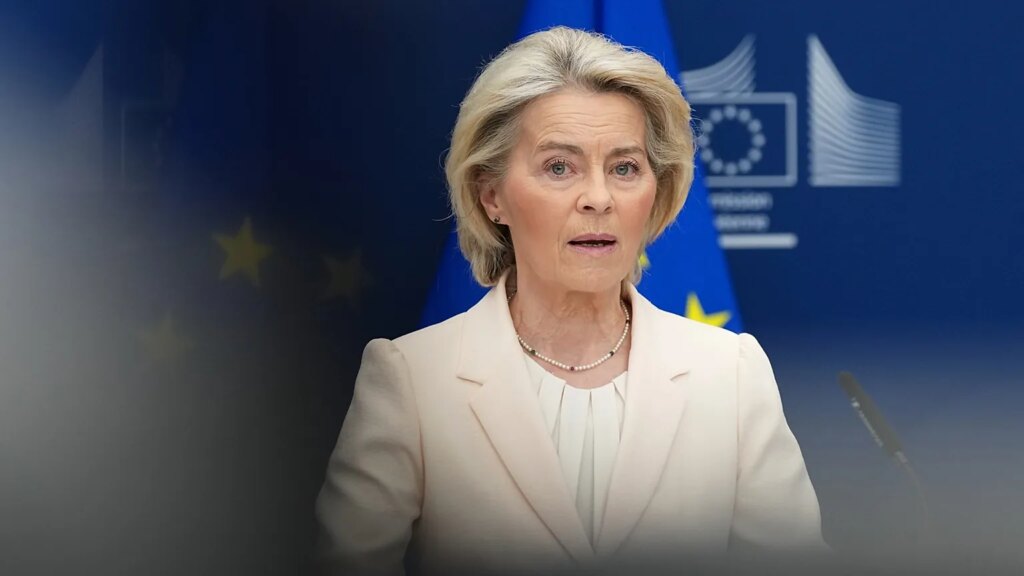
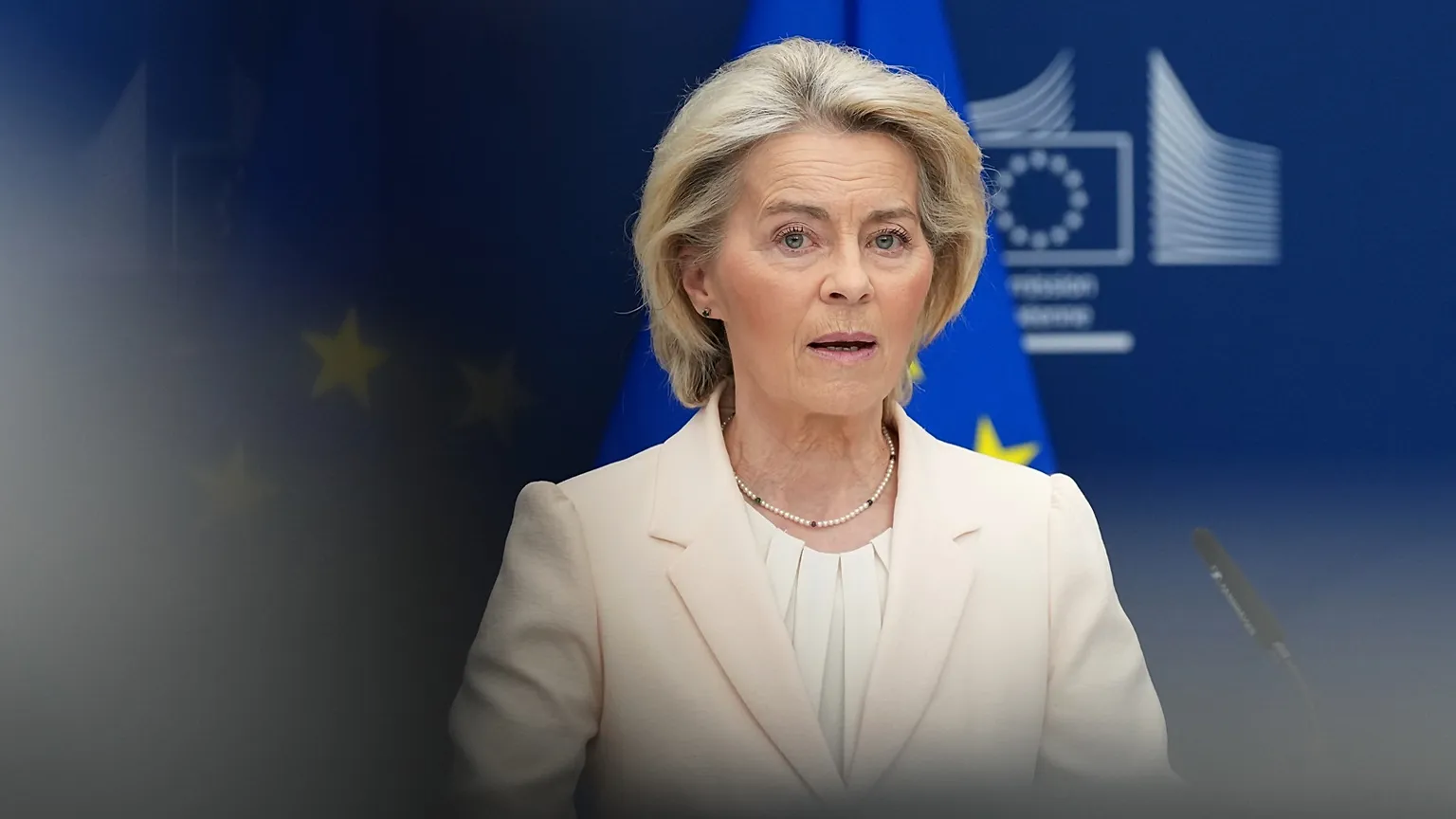
The European Commission stated that allegations concerning Hungary leaking data to Russia suggest a member state might be «actively undermining the security and interests of the EU and its citizens.»
Ursula von der Leyen intends to address the matter of Hungary’s purported information leaks to Russia at the highest echelons of European leadership, her spokesperson revealed following fresh disclosures.
 ADVERTISEMENT
  ADVERTISEMENT
The direct engagement of the European Commission president exposes the broad dismay and concern caused by Budapest’s notably close relations with Moscow, perceived increasingly as an internal security risk.
The spokesperson emphasized on Thursday afternoon that the accusations «reveal the troubling possibility of a member state’s administration collaborating with Russia, thereby working against the security and interests of the EU and its citizens.»
«This situation is highly alarming, and it is imperative for the government involved to provide explanations without delay.»
The timing of von der Leyen’s intervention remains uncertain, especially as Hungarians prepare to vote on 12 April, with Prime Minister Viktor Orbán currently trailing by double digits in polls.
During the electoral period, Brussels officials have maintained a low profile to avoid bolstering Orbán’s anti-EU and anti-Ukraine narrative, which has dominated his intense campaign.
Initially, the Commission urged Hungary to clarify the allegations and uphold the principle of sincere cooperation underlying the bloc’s collective decision-making.
However, the tone shifted this week after a report from five European media outlets revealed that Hungarian Foreign Minister Péter Szijjártó exited an EU summit to contact his Russian counterpart, Sergey Lavrov, informing him about a critical debate on whether to begin accession talks with Ukraine — a move Orbán had strongly opposed.
A transcript from a phone call dated 14 December 2023 shows Lavrov urging Szijjártó to block the decision. Lavrov reportedly told Szijjártó, «At times, direct and well-intended blackmail is the best course of action.»
A prior report by the same media sources revealed Szijjártó actively negotiating with Lavrov over removing names from the EU sanctions registry.
Szijjártó has not contested the substance of these revelations. Instead, he has portrayed the series of reports as covert interference in the 12 April elections.
The disclosures coincide with heightened tensions between Orbán and other EU leaders over his choice to veto a €90 billion loan to Ukraine at the final stage of approval.
Meanwhile, a bipartisan group of 10 MEPs sent a letter to Roberta Metsola, president of the European Parliament, requesting restrictions on the access of «certain openly pro-Russian» members of parliament to sensitive information.
«We are convinced that this leakage situation undermines the work, trust, and institutional integrity of the European Parliament, as well as the security of our Union,» the MEPs wrote in the joint letter reviewed by Euronews.
«It is time to proactively address persistent internal vulnerabilities and security risks.»