
Ministers of Economy and Finance from Italy, Germany, Spain, Portugal, and Austria are requesting the EU to impose a tax on excessive energy profits to mitigate the rise in prices.
Germany, Italy, Spain, Portugal, and Austria have appealed to the EU for energy companies to contribute in easing the strain on consumers and taxpayers caused by the conflict in the Middle East, by using the surplus earnings these companies are gaining due to increased fuel prices.
 ADVERTISEMENT
  ADVERTISEMENT
The group of five Economy and Finance Ministers expressed this in a letter sent to EU Climate Commissioner Wopke Hoekstra, emphasizing that national-level actions on excise duties should be supported by a coordinated, joint response.
«This approach would enable the financing of temporary support, particularly aimed at consumers, and help slow inflation without imposing additional pressure on public finances,» the letter states, signed by ministers Markus Marterbauer, Lars Klingbeil, Giancarlo Giorgetti, Joaquim Miranda Sarmento, and Carlos Cuerpo.
The appeal is made as Brent crude prices have climbed to $100 per barrel, rising from $70 before the United States and Israel carried out military operations against Iran on February 28. With the de facto closure of the Strait of Hormuz, global oil markets are experiencing heightened demand coupled with abrupt supply shortages, escalating the risk of price instability.
Call for an ‘EU-wide contribution mechanism’
The ministers propose reinstating and strengthening a system similar to the EU’s 2022 “solidarity contribution,” which raised approximately €28 billion from taxing surplus profits of fossil fuel companies during the post-Ukraine war price surge, based on figures disclosed by the Commission.
They argue this time the framework should encompass the entire EU, rest on a firmer legal foundation, and be more sharply focused on major multinational oil corporations — including their gains made outside the EU.
«Considering current market distortions and budgetary limits, the European Commission should promptly establish an EU-wide contribution tool grounded in robust legal support,» the five ministers state.
«Ensuring a fair distribution of this financial load is crucial. Such a Europe-wide solution would signal to citizens and businesses our unity and capacity to act,» the ministers added.
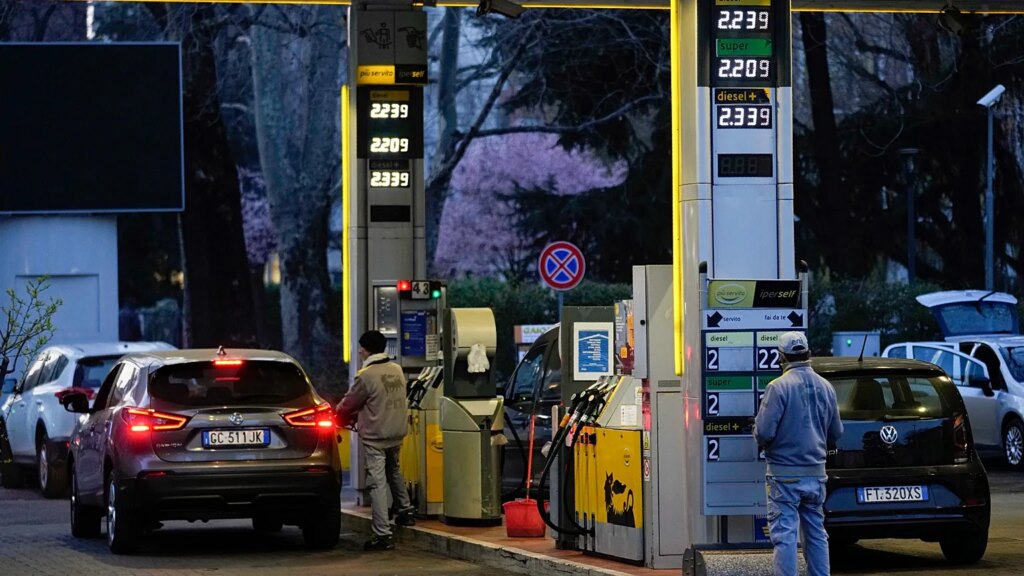
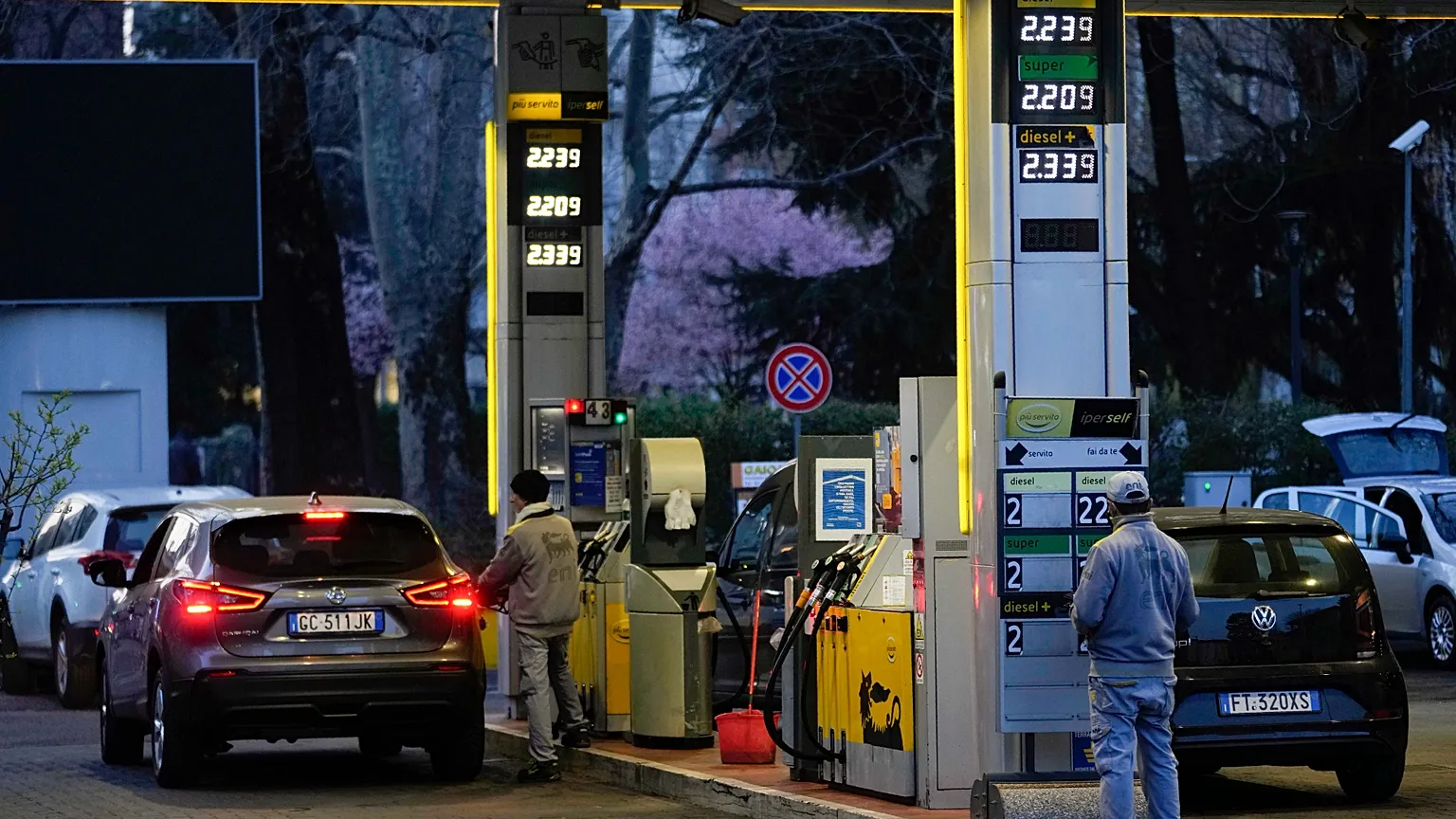
Fuel costs have soared significantly throughout Europe due to the war, with Germany, Italy, and Spain among the hardest-hit nations.
Hans Stegemen, chief economist at Triodos Bank, described windfall taxes as «an obvious measure» when crises generate substantial unearned profits for fossil fuel producers, directly impacting households and import-dependent economies.
«Fiscal policy must play a central role in redistributing these gains. Windfall taxes are an evident necessity,» Stegemen affirmed.
Previously, the idea of suspending the EU’s Stability Pact to allow governments greater flexibility in managing the crisis and a potential economic downturn was dismissed by the European Commission.
Video editor • Lucy Davalou