
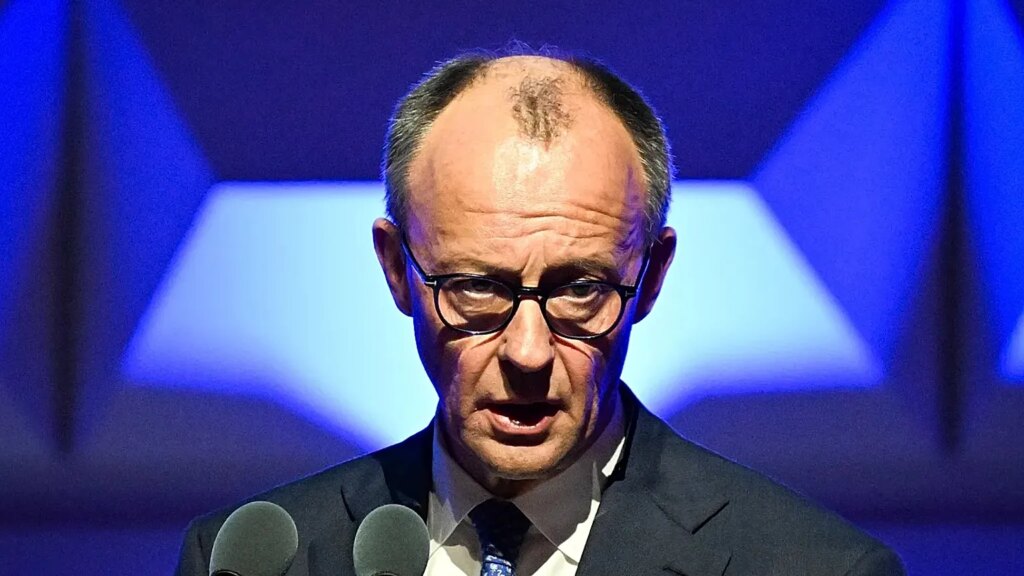
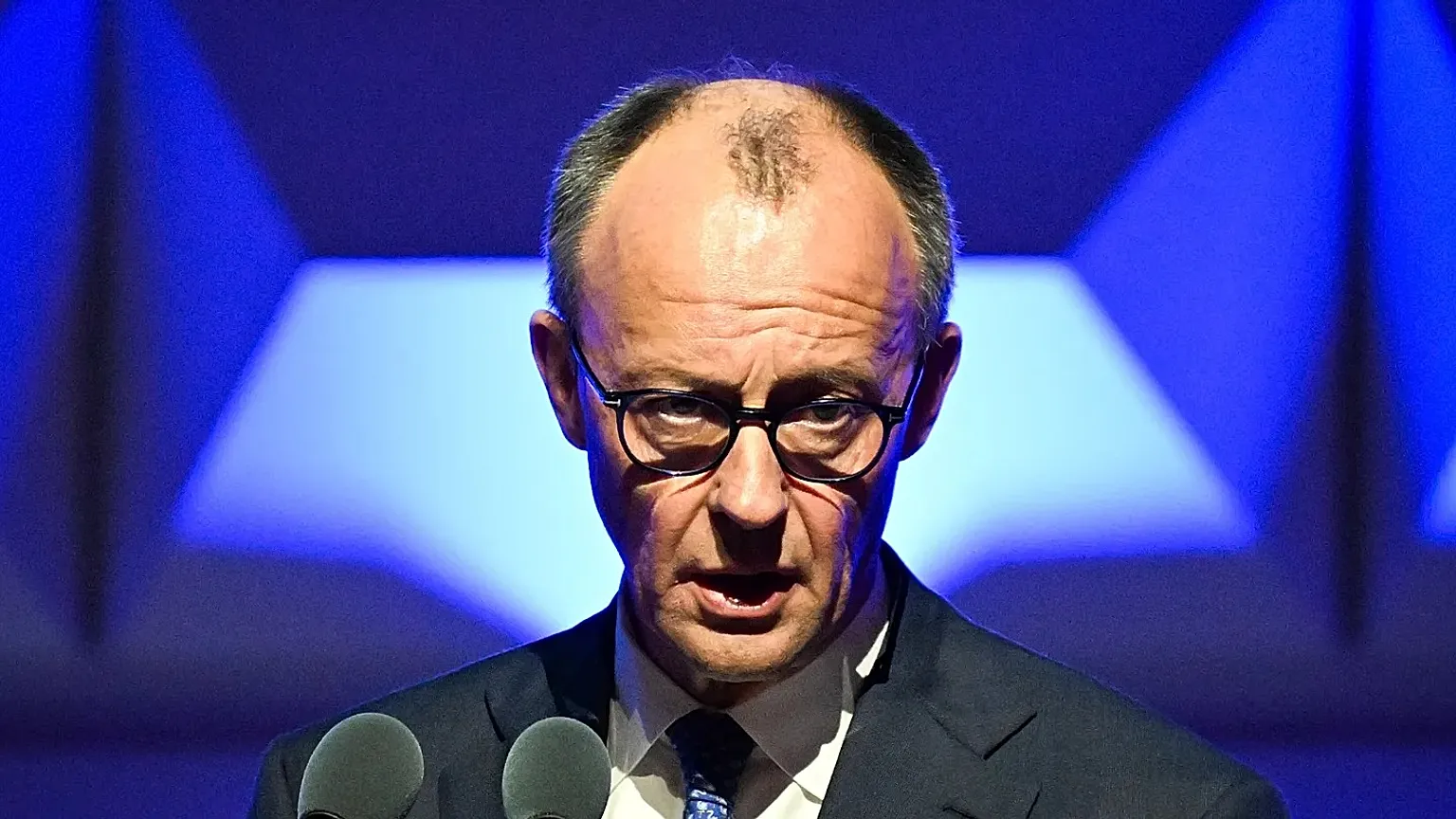
The Trump administration’s choice to permit the purchase of Russian oil stranded at sea faced criticism within the EU, with Merz and Costa asserting that the decision weakens Ukraine’s support during a crucial period.
Leaders from the European Union condemned President Donald Trump’s move to relax sanctions on Russian oil, stating it fuels the ongoing conflict against Ukraine, while the US aims to reduce energy costs after a second week of turmoil in the Middle East.
 ADVERTISEMENT
  ADVERTISEMENT
On Thursday night, US Treasury Secretary Scott Bessent declared a temporary authorization enabling countries to acquire Russian oil currently stranded at sea. This action is significant since rising oil prices caused by the war allow Russia to benefit financially.
The Trump administration is addressing repercussions from the conflict with Iran, which has driven oil prices beyond $100 per barrel as Tehran targets Gulf oil producers and the vital Strait of Hormuz for cargo vessels.
Operations through the strait have essentially come to a standstill.
Nonetheless, German Chancellor Friedrich Merz stated in a Friday press conference that “easing sanctions now, regardless of the reason, would be misguided” and insisted that backing for Ukraine must not be “diverted or weakened” due to the Middle Eastern war.
Merz mentioned that six out of seven G7 leaders agreed at a joint meeting this week that lifting sanctions sends the wrong message, with the US standing as the sole opposition.
António Costa, President of the European Council, commented separately that “the US unilateral decision to lift sanctions on Russian oil exports raises serious concerns because it threatens European security,” emphasizing that Moscow remains the sole beneficiary, profiting from the conflict.
He added, “Any action allowing Russia to boost its oil revenue would hinder our broader objective to diminish Russia’s capacity to wage war against Ukraine.”
European Commission President Ursula von der Leyen urged on Wednesday for the enforcement of price caps on Russian oil and maintaining existing restrictive measures. “Now is not the time to loosen sanctions on Russia,” she stated. French President Emmanuel Macron supported her position after hosting a G7 meeting, affirming that reversing sanctions against Russia would be unjustified.
The US license permits importers to purchase Russian crude and petroleum products loaded on ships as of March 12, allowing these vessels to unload until April 11. This follows a similar exemption given to India in late February.
So far, neither the US waiver nor the recent release of strategic oil reserves has eased oil prices, as conflict in the Middle East persists. Experts warn that Iran may continue targeting key export ports and logistics centers.
Hungarian Prime Minister Viktor Orbán remains the only EU leader to advocate lifting sanctions, aligning with the US and breaking from the European consensus.