
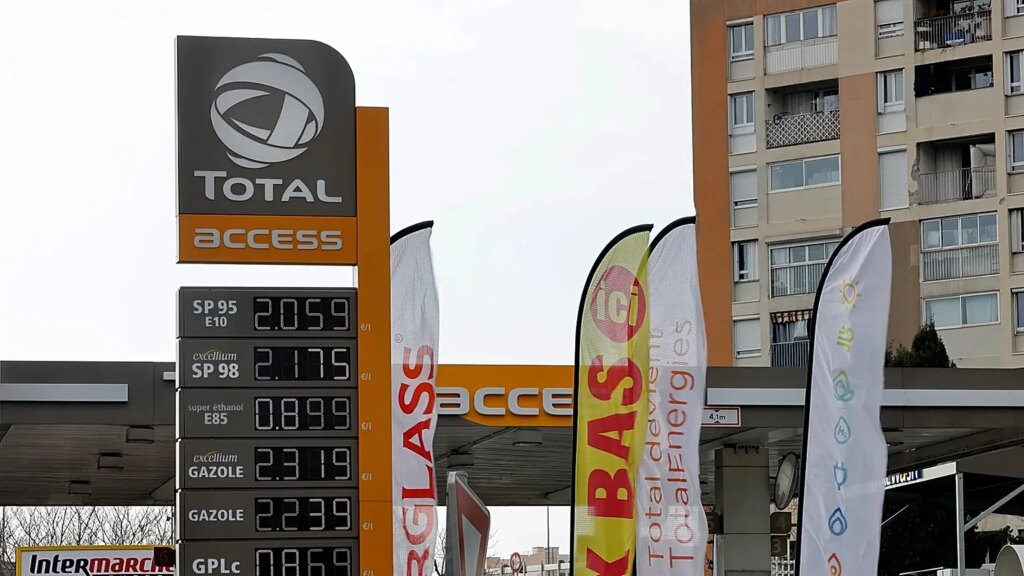
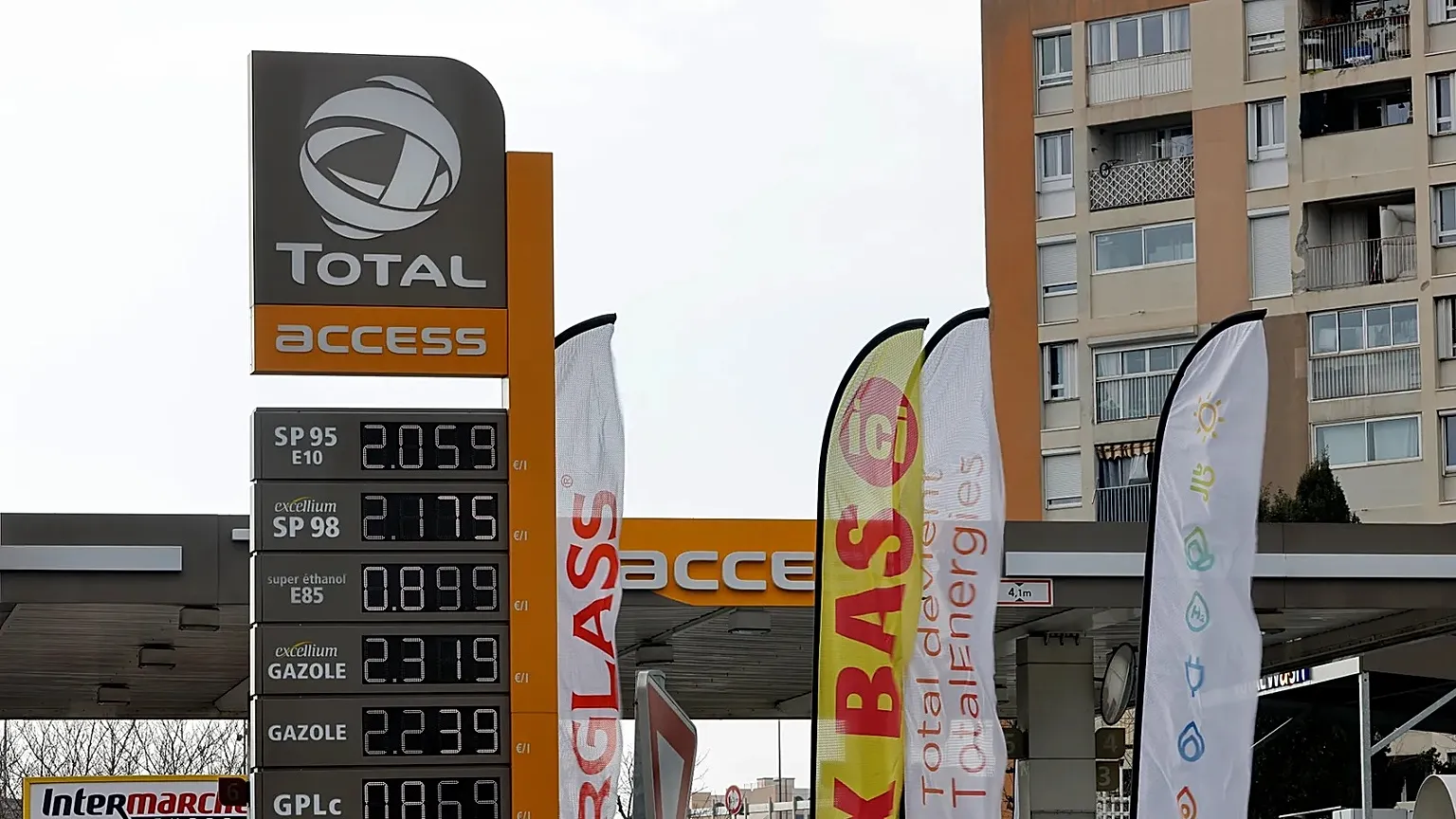
During a series of gatherings in Brussels, ministers are considering options to control energy costs and inflation, including discussions about releasing oil reserves. Germany expressed support for maintaining this option but stressed that the moment is not yet appropriate for its implementation.
On Monday and Tuesday, EU economy and finance ministers convened in Brussels to strategize responses to rising energy prices and expected inflation, amid ongoing clashes in the Middle East.
 ADVERTISEMENT
  ADVERTISEMENT
«We stand ready to implement necessary and coordinated actions to stabilise the markets, including strategic stockpiling,» French Economy Minister Roland Lescure stated to the press on Monday, following his leadership of a G7 finance ministers meeting.
When questioned about whether G7 finance ministers had resolved to release the strategic stockpile, Lescure replied: «We have not reached that point yet.»
«The consensus is to employ all essential mechanisms to stabilise the market, which may encompass releasing certain stockpiles. Work on this will continue in the coming days,» the French minister clarified.
German Vice-Chancellor Lars Klingbeil mentioned on Monday that Germany is open to tapping into the oil reserve but emphasized that «the timing is not right now».
Currently, member countries of the International Energy Agency hold upwards of 1.2 billion barrels of emergency public oil stocks, complemented by an additional 600 million barrels of industry stocks under government mandate.
Since the Israeli and US attacks on Iran on February 28, which resulted in the deaths of around 40 Iranian leaders including Supreme Leader Ayatollah Ali Khamenei, oil prices have surged. The conflict has since spread to other regional nations such as Lebanon and Gulf countries, with Iran retaliating by targeting civilian energy plants and US military installations.
Mojtaba Khamenei, the son of the former Ayatollah, was elected on Monday as his successor, ensuring continuity in leadership for the current regime.
The Brent crude oil price, the global benchmark, peaked at $119.50 early Monday before settling near $107.80, following reports from the Financial Times suggesting that releasing reserve oil to address the crisis is an option under consideration.
Major European stock indexes began the week with a substantial decline, mirroring significant losses across Asian markets and surging oil costs.
The conflict shows no sign of de-escalation. On March 4, Qatar halted its LNG production; subsequently, over the weekend, Israel attacked Iranian energy infrastructure while the vital Strait of Hormuz remained closed to passage.
European energy prices are expected to rise, with inflation likely to increase in the upcoming months. However, some EU diplomats and the European Commission highlight important differences between the current situation and the energy crisis that arose when the war in Ukraine began in February 2022.
«Thanks to the decisive actions implemented in recent years, Europe’s energy systems are now better prepared and significantly more resilient. Energy sources have become more varied and cleaner, and coordination has improved,» European Commissioner for Energy Dan Jorgensen posted on X on March 6.
He urged the bloc to intensify efforts on energy transition, expanding clean, domestically produced renewable energy and energy efficiency measures, all while modernising Europe’s energy infrastructure.
Spanish Economy Minister Carlos Cuerpo told journalists on Monday that the EU should draw lessons from the 2022 crisis response when shaping its approach to the current war.
A different crisis?
According to an EU government official speaking to Euronews, this crisis fundamentally differs from the one in 2022.
When Russia launched its full-scale invasion of Ukraine, Europe required an «infrastructure reset» and new supplier partnerships. In contrast, the present situation may see prices drop more quickly through the release of reserves and re-establishing supply routes, the official noted.
Nevertheless, the outlook remains highly uncertain, largely contingent on when the Strait of Hormuz reopens and when major LNG-exporting nations resume production.
Meetings between EU ministers on Monday and Tuesday are expected to include discussions on energy prices with the European Commission. Eurozone ministers will also consult with the European Central Bank regarding the war’s potential effects on inflation and the broader economic landscape.
While EU ministers do not anticipate agreeing on a unified strategy by the end of these talks, EU institutions will provide an updated situational report. Most member states will likely submit their individual assessments based on national analyses of the war’s impacts, according to an EU diplomat speaking to Euronews.
Maria Tadeo contributed to the reporting.