
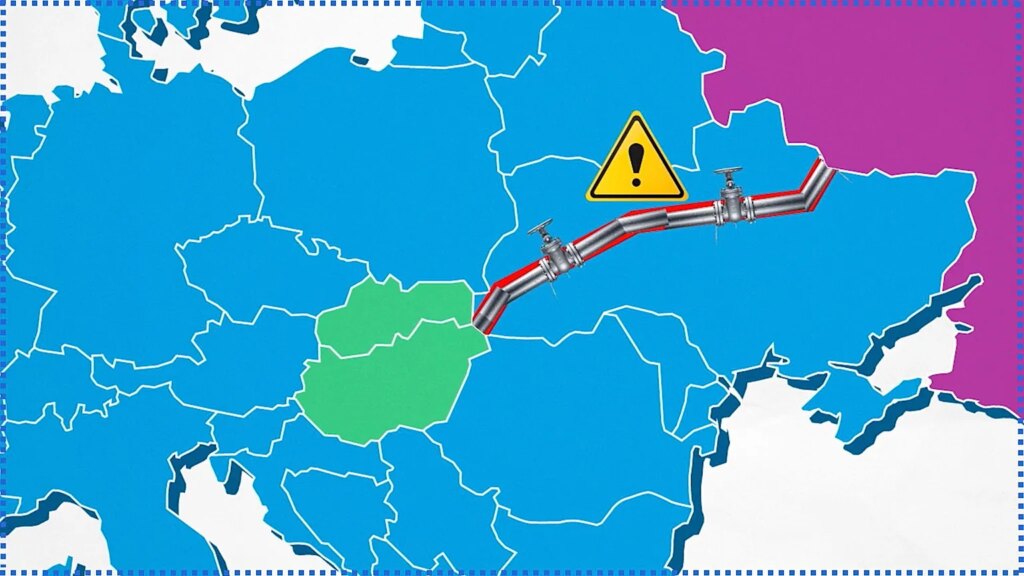
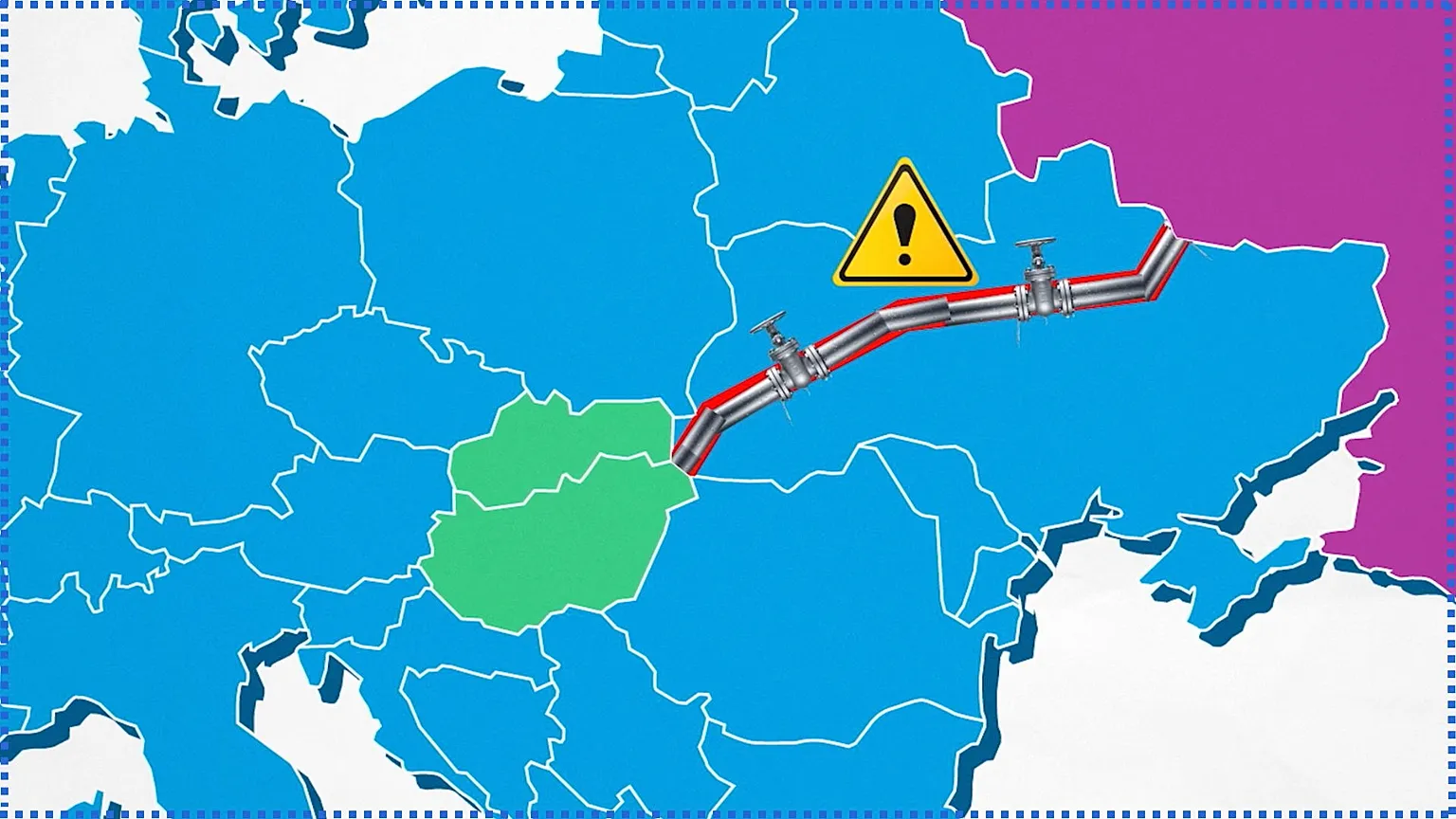
During the 1960s, the Soviet Union constructed one of the world’s longest oil pipelines to supply the Warsaw Pact countries. Named Druzhba, meaning «friendship,» this pipeline now symbolizes division across Europe.
Approximately a month ago, a disruption occurred on the Druzhba pipeline, impacting the supply of affordable Russian oil to Hungary and Slovakia through Ukraine.
 ADVERTISEMENT
  ADVERTISEMENT
Ukraine attributed the fire to ongoing Russian airstrikes, which have hindered repair efforts. Conversely, Budapest and Bratislava accused Kyiv of spreading falsehoods.
In response, last Wednesday, both countries stopped exporting diesel to Ukraine until the pipeline is back in operation.
Two days afterwards, Hungarian Prime Minister Viktor Orbán announced a blockade of a critical €90-billion EU emergency loan to Ukraine.
Facing Russian attacks that severely damaged its internal power infrastructure, Kyiv depends heavily on imported electricity during winter, with nearly 45% of these imports coming from Hungary and Slovakia also contributing as a supplier.
On Monday, Ukrainian forces targeted a strategic Russian pumping station supplying the Druzhba pipeline, intending to reduce Moscow’s war funding.
Following this, Slovakia and Hungary called on Brussels to investigate whether Kyiv misrepresented the initial damage and if the EU stopped emergency electricity supplies to Ukraine entirely.
This sequence of events leads to the current situation.
The European Commission has convened an emergency meeting with Hungary, Slovakia, and Croatia—which operates a pipeline through the Adriatic—to explore alternative oil transportation routes.
However, since Croatia refuses to carry Russian oil, the EU’s diplomatic efforts appear to be at a complete standstill.
For the full story, watch the Euronews video in the player above.