
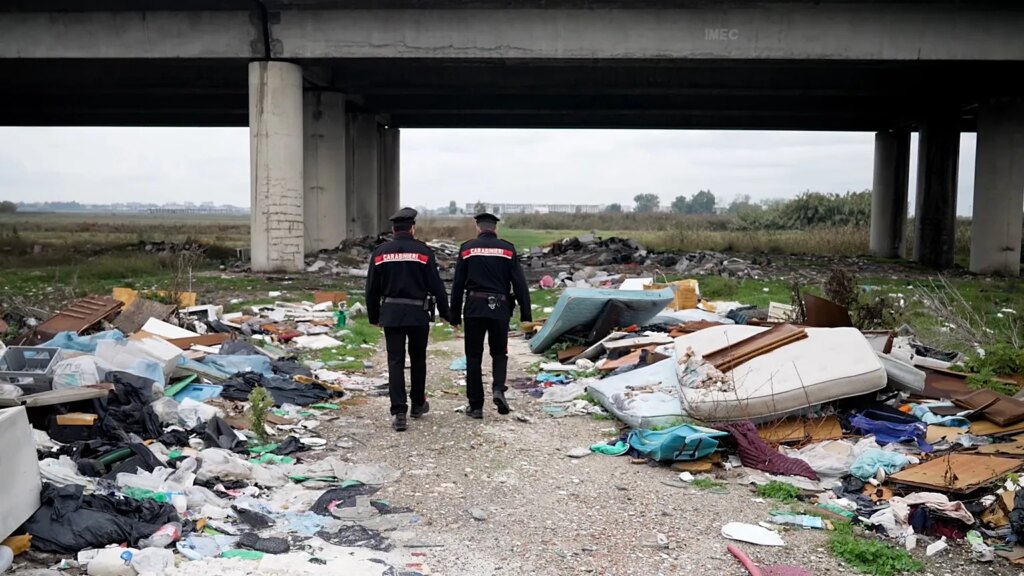
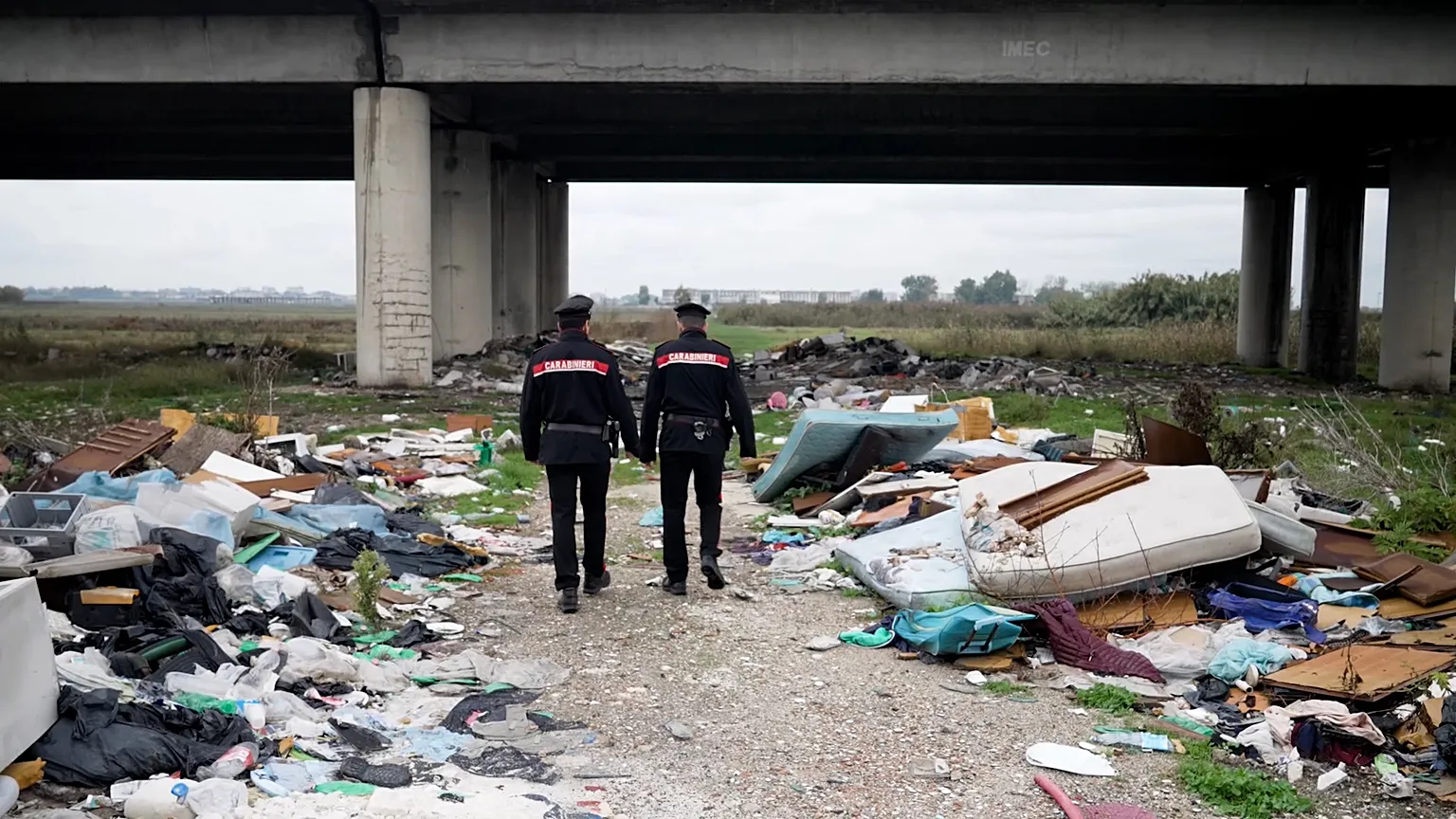
In Campania, southern Italy, the “Land of Fires” still bears the wounds inflicted by decades of criminal contamination. Illegal waste sites, toxic blazes, and rising disease rates: Euronews correspondent Valérie Gauriat explored this afflicted area, where the frustration of inhabitants remains unabated.
Located between Naples and Caserta is a notoriously grim region known as the Land of Fires, or the Triangle of Death. Within this area of almost three million residents, cancer incidence ranks among the highest across Italy.
For many years, industrial, chemical, and occasionally radioactive hazardous waste was either buried, incinerated, or dumped unlawfully in this zone. The underlying force behind this extensive trafficking is the Camorra, the local mafia, supported by economic and institutional networks.
“The State betrayed itself to the Camorra, corrupt entrepreneurs, and compromised judges. This is how the Land of Fires came into existence,” explains investigative journalist Marilena Natale, who remains under police protection due to death threats from mafia groups.
Although major trafficking routes have shifted, illegal landfills persist throughout the region, with clandestine businesses regularly igniting fires that emit harmful fumes, resulting in severe public health consequences.
A health crisis
“In Italy, a general practitioner with 1,500 patients typically encounters around nine cancer cases annually. I already have fifteen,” states Luigi Costanzo, a family doctor based in Frattamaggiore, at the core of the Land of Fires.
Soil, water, and air contamination have also caused unprecedented numbers of respiratory and degenerative illnesses, infertility, and birth defects.
The detrimental health effects of this illegal pollution were officially acknowledged by Italian authorities only in 2021.
“My son was silently killed by a State that was aware,” shares Marzia Cacciopoli. Her son Antonio passed away in 2014 at the age of nine and a half due to a brain tumor. She is part of the families who initiated proceedings at the European Court of Human Rights back in 2013.
In January of this year, the Court condemned Italy for its prolonged negligence and endangering the lives of local residents. It mandated the government to establish an environmental strategy, including independent surveillance and a public information platform.
Disputed promises for pollution remediation
Since February, a special commissioner has overseen the remediation and securing of hundreds of polluted locations. However, announced deadlines—extending up to ten years—and budgets perceived as inadequate continue to stir public discontent.
Due to slow advancements, many inhabitants and activists remain active within various community groups. The association Le Mamme di Miriam is named after the daughter of one member, a survivor of a rare nervous system cancer. Alongside other women, her mother, Antonietta Moccia, patrols the area to record illicit dumping and urge authorities to strengthen their response. “I have lost faith in the institutions that abandoned us,” she declares. Anna Lo Mele, association president, adds: “They allowed us to die—and they continue to do so. This amounts to ecocide.”