
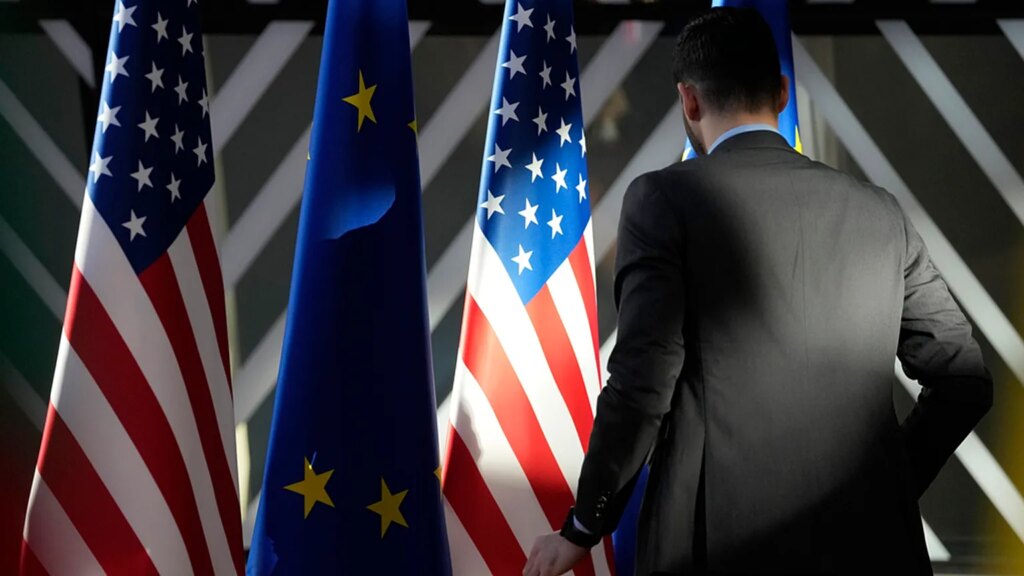
The 27 support the Commission’s agreement, yet the European Parliament is gearing up to challenge the terms deemed unfair after Trump raised tariffs on the EU threefold while Brussels eliminated duties on US goods.
On Friday, the EU member states consented to reduce tariffs on imports from the US as detailed in a disputed trade agreement struck last summer by the European Commission and the Trump administration, which disadvantages European products.
This decision follows US trade officials pressing EU governments to accelerate the deal’s application, which requires the EU to abolish tariffs on most US industrial goods. A US delegation engaged in discussions in Brussels this week.
The proposal to include a “sunset clause” — a provision terminating tariff reductions after five years if not renewed — ignited discussions among EU countries but was ultimately rejected, indicating member states prefer not to provoke Trump.
The EU-US trade pact was finalized in July following months of conflict after US President Donald Trump imposed extensive tariffs on global partners, dubbing it «Liberation Day» for America. According to the agreement, the EU faces a 15% tariff on exports to the US, while reducing duties on most US industrial imports to zero.
No ‘sunset clause’ yet, but the Parliament could fight it
The agreement has faced strong criticism as a setback for Europe, though the Commission has justified it as the best feasible resolution amidst Trump’s firm trade policies. Brussels argued the alternative would have resulted in more severe consequences.
Nevertheless, on Friday, the 27 endorsed the Commission’s often-criticized agreement by majority vote.
They also sanctioned a provision permitting the Commission to suspend the agreement if the US fails to comply, alongside a safeguard allowing temporary suspension if US imports surge and disrupt the European single market due to the tariff cuts.
Member states further discussed instituting a “sunset clause” to terminate tariff reductions permanently after five years if the deal is not renewed — a concept expected to be advocated by the European Parliament in future negotiations.
Both bodies must agree on a unified text by next spring to finalize the tariff eliminations. An EU diplomat indicated most member states may accept the clause, but Germany opposes it, fearing retaliatory measures.
The chair of the Parliament’s trade committee, German MEP Bernd Lange (S&D), has already incorporated the sunset clause proposal into his report on the deal’s implementation, which will underpin the European Parliament’s debate.
Within the Commission, officials hope the Council and Parliament will avoid dismantling the agreement forged with Washington, fearing it could provoke further escalation and intensify the trade conflict.