
In this edition: A potential penalty is imminent for a US tech firm due to violations of the EU’s digital fairness regulations, while the EU’s 21st sanctions package against Russia finally gains approval amid critical remarks from a Baltic leader in an exclusive Euronews interview.
Greetings and good morning. Angela Skujins delivers this Thursday update with significant developments.
 ADVERTISEMENT
  ADVERTISEMENT
It has just been announced that after extended negotiations, EU ambassadors early Thursday approved the bloc’s 21st sanctions package targeting Russia.
The previous obstacle? According to my colleague Jorge Liboreiro, Greece, a major maritime nation, had earlier vetoed the package over concerns linked to the prohibition of Russian liquefied natural gas (LNG) and its transportation. Today, more detailed coverage from Jorge will explain how consensus was ultimately reached.
Before diving deeper, Latvian Prime Minister Andris Kulbergs shared exclusive remarks on Euronews’ flagship morning program Europe Today, highlighting two critical questions European leaders should consider: whether they want Ukraine to prevail, or if their priorities lie in generating profits.
“A choice must be made. It cannot be both. Thus, sanctions need to be enforced,” he emphasized. Watch.
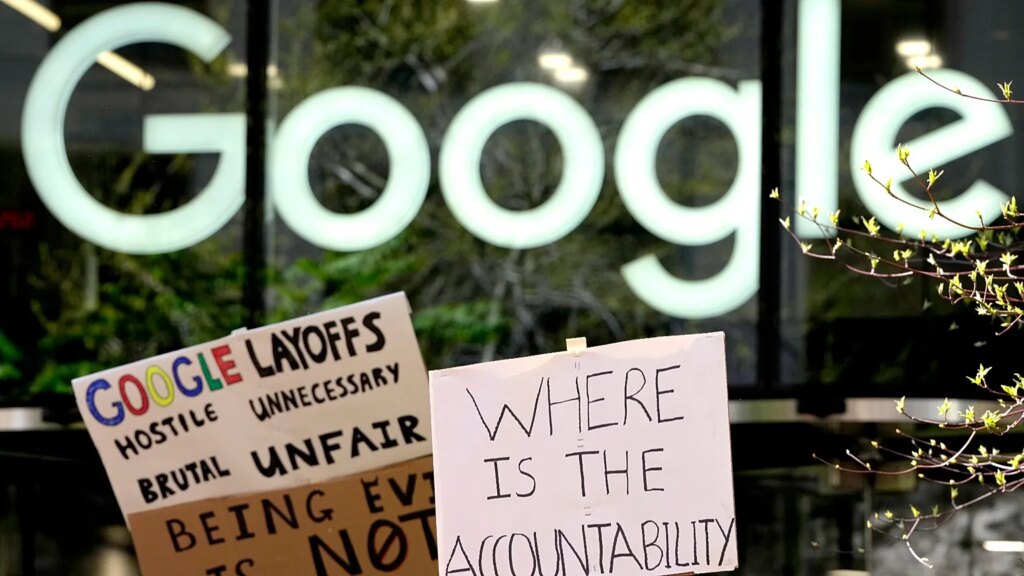
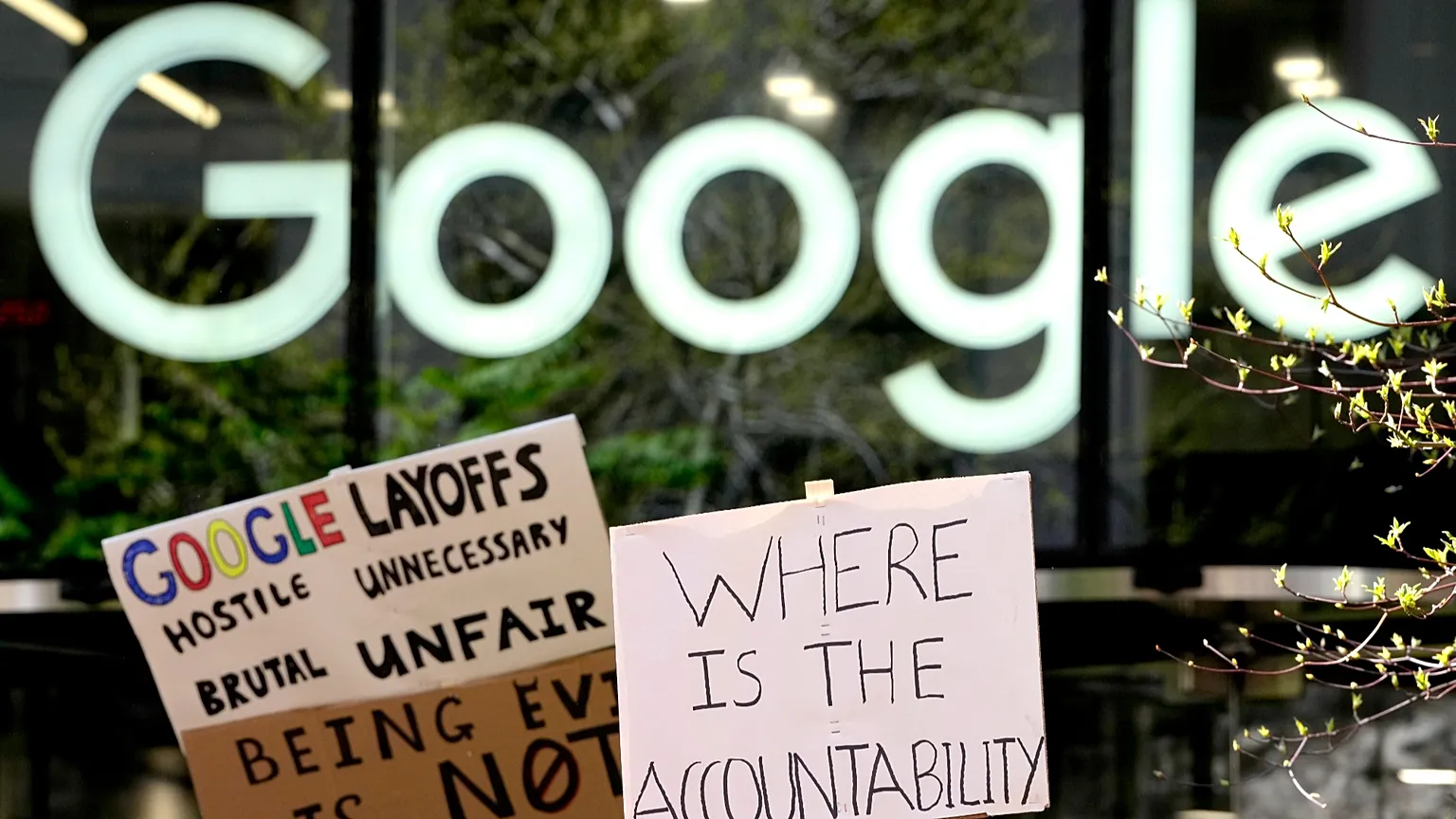
Returning to Big Tech. My colleague Luca Bertuzzi conveys that the European Commission’s anticipated fine against Google, expected today, is the result of a two-year probe into the company’s practice of favoring its own services in search results and restricting app developers from steering users to deals outside Google’s app store and payment infrastructure.
Why now? The German financial daily Handelsblatt cited two anonymous senior EU officials who highlighted Thursday as the likely date following a meeting chaired by European Commission President Ursula von der Leyen, where the fine would be formally approved.
Consequences. Penalties under the Digital Markets Act (DMA) can amount to up to 10% of a company’s global annual revenue. Alphabet, Google’s parent firm, reported a record $402.8 billion (€353.08 billion) in revenue for 2025, indicating that the maximum fine from the Commission could potentially reach several tens of billions of dollars.
Google, however, is not the sole entity facing repercussions. Should the DMA fine against the US company proceed, the EU could provoke a response from US President Donald Trump.
Potential US response? Washington has previously accused Brussels of unfair targeting of US firms in its digital legislation. For instance, in January, the Republican leader threatened to levy 100% tariffs on any European countries imposing digital service taxes on American businesses.
Currently, the EU balances precariously amid strained transatlantic relations. Beyond the tech dispute, the US prepares new import duties on EU goods as existing measures are set to expire this week.
The European Commission is expected to accept these new tariffs once current ones lapse, according to Peggy Corlin, yet concerns persist about further retaliatory actions linked to the DMA conflict.
“Toxic” Putin. Ukrainian President Volodymyr Zelenskyy observed in his nightly address that recent frontline advances and medium-range strikes cultivate a “toxic” environment surrounding Russian President Vladimir Putin. But does this tension extend from Moscow to Manila?
Reports from Russia’s state news agency TASS confirm that Foreign Minister Sergey Lavrov is set to meet US Senator Marco Rubio on the sidelines of the ASEAN Foreign Ministers meeting in the Philippines’ capital, scheduled for the morning of 23 July.
In Manila, Rubio expressed that the US remains open to facilitating a resolution to the conflict “if the opportunity arises,” though he admitted that efforts have “slowed somewhat over recent months.”
Meanwhile, US focus has shifted increasingly towards the Middle East, following tensions with Iran, including overnight reports of a landmark nuclear agreement between the US and Saudi Arabia.
This framework permits Saudi Arabia to produce enriched uranium, a crucial material both for nuclear fuel and weaponry.
Advocating peace. At the ASEAN forum in Manila, Kaja Kallas reiterated to both partners and observers the call for Russia to end its full-scale invasion of Ukraine. Her team confirmed to Euronews that she has no scheduled meeting with Lavrov.
Additional news: a significant setback for migration restriction advocates occurred as the European Commission declined on Thursday to register a European Citizens’ Initiative led by far-right activists citing “discrimination based on race and ethnic origin.”
The initiative sought to temporarily halt all “non-Western immigration channels,” including student and family reunification visas. It also proposed prompt return of irregular and regular migrants who have not integrated into European society.
EU poised to accept new US tariffs after current measures expire
The European Union is set to approve upcoming tariffs the US plans to impose in coming days related to forced labour, so long as they do not surpass the 15% limit established in the Turnberry agreement, the European Commission announced.
As reported by Peggy Corlin, the White House declared in early June intentions to apply fresh tariffs on global trading partners, citing inadequate efforts to prevent trade in goods produced with forced labour as detrimental to US commercial interests.
The existing US tariff rules expire this Friday, and US Trade Representative Jamieson Greer indicated Tuesday that imposing the forced labour duties is imminent.
EU officials closely monitor tariff levels, recalling the EU-US trade deal signed in July 2025 in Turnberry, Scotland, by President Donald Trump and Commission President Ursula von der Leyen, which caps US tariffs on EU products at 15%.
Read more of Peggy’s insights to grasp the full implications.
More from Euronews newsrooms
Could Gianni Infantino realistically become UN Secretary-General if nominated by Trump?
US President Donald Trump can propose FIFA president Gianni Infantino to lead the United Nations, but cannot impose him against other candidates—the permanent Security Council members would need to approve. Vincenzo Genovese breaks down the scenario.
Hungary’s top prosecutor resigns amid political pressure in Magyar’s campaign
Hungary’s Prosecutor General Gábor Bálint Nagy stepped down under growing political strain as Prime Minister Péter Magyar moves to replace officials from the Orbán era. The resignation follows allegations of political bias by lawyers representing detained Ukrainian cash couriers in a cross-border seizure case. Sandor Zsiros and Rita Konya provide updates.
War-driven energy and fertiliser crisis to sustain global food inflation – UN
The UN’s latest report warns that soaring energy and fertiliser prices will likely continue fueling worldwide food inflation, elevating the cost of nutritious diets and threatening the fight against global hunger. More on this from Indrabati Lahiri.
Also on the radar
- EU foreign policy chief Kaja Kallas continues her visit to Manila for the ASEAN summit, scheduled to meet the Philippines’ Secretary of National Defence Gilbert Teodoro and other leaders.
- The European Central Bank (ECB) convenes its Governing Council in Frankfurt, with President Christine Lagarde hosting a press briefing at 2:45 pm.
- European Defence Commissioner Andrius Kubilius is set to speak at the EU Defence Night event in Washington, US.
This concludes today’s briefing. Contributions were made by Luca Bertuzzi, Vincenzo Genovese, and Jorge Liboreiro.