
While member states discuss a €2 trillion long-term budget, the European Commission promotes concrete plans concerning new revenue streams, referred to as "own resources".
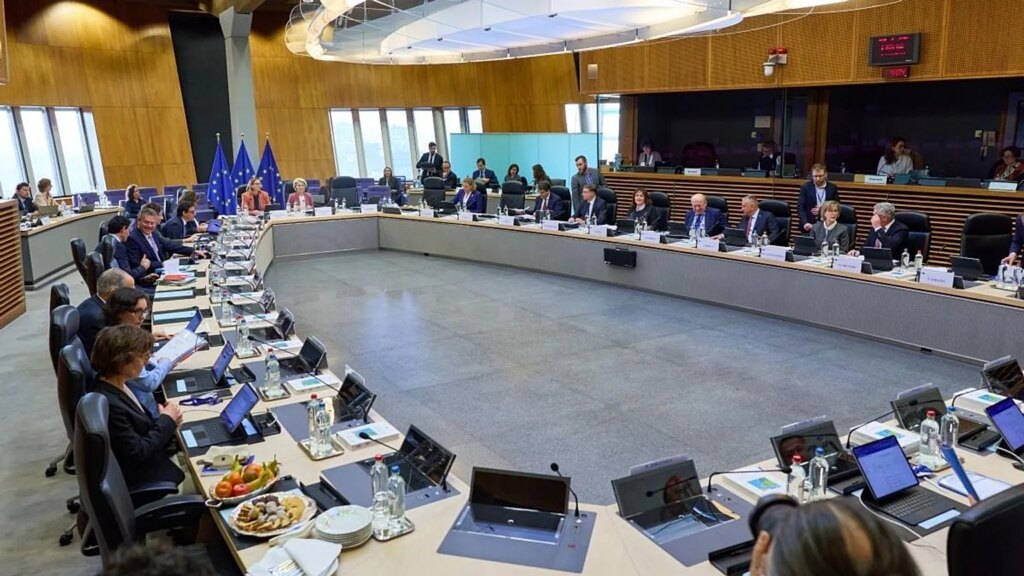
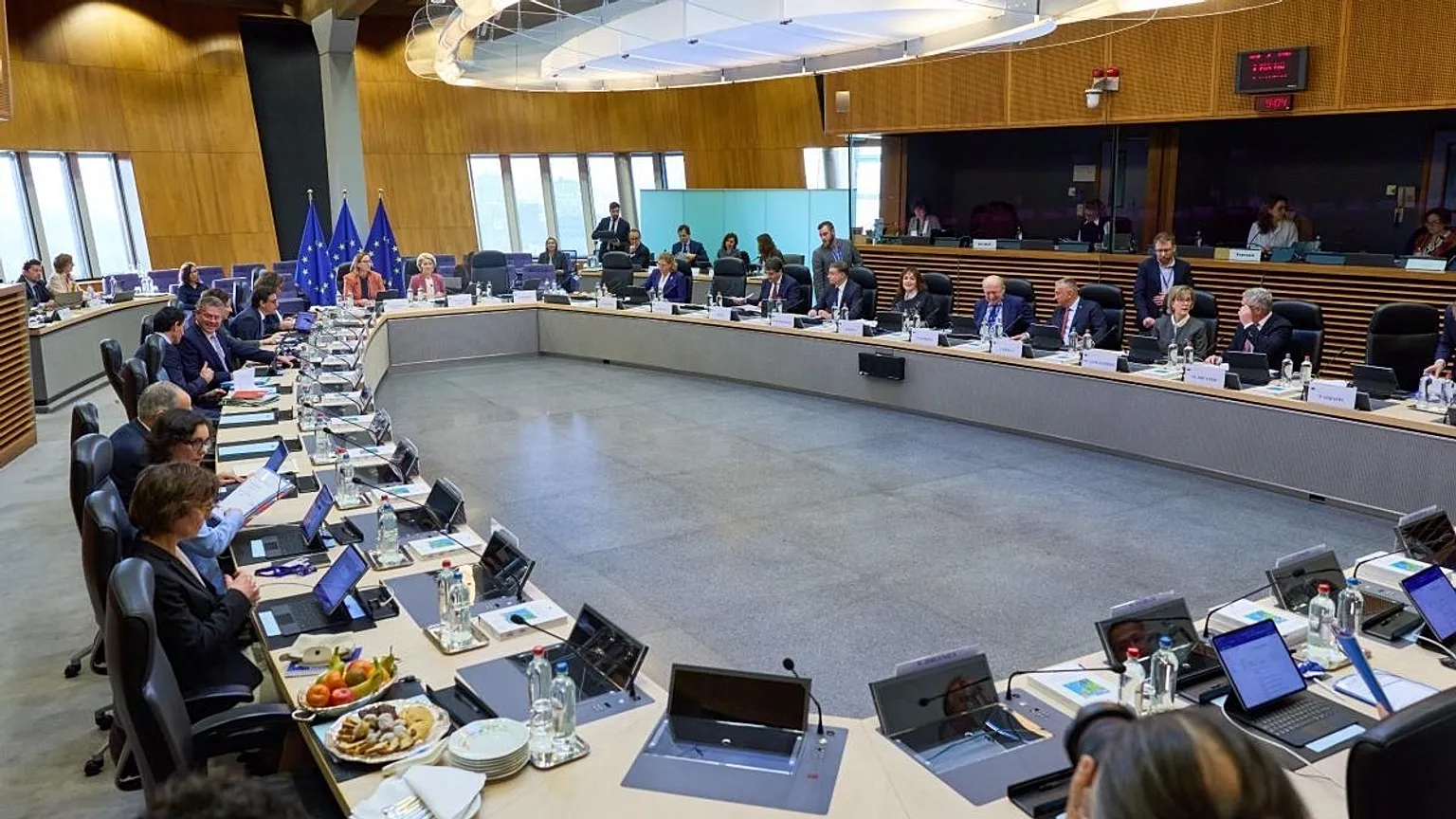
Officials from EU institutions convened at a major conference in Brussels, urging European governments to endorse a bold long-term budget that incorporates new own resources.
 ADVERTISEMENT
  ADVERTISEMENT
At the Annual EU Budget Conference, the European Commissioner for Budget, Piotr Serafin, seized the chance to challenge the so-called «frugal» nations.
“It is important to recognize the connection between a frugal budget and a modern budget,” Serafin remarked during the event. He emphasized that an undersized EU budget might not actually be less costly for taxpayers since funds not allocated to the EU budget could be shifted to national budgets, causing a risk of duplication and inefficiency.
The discussion prominently focused on so-called own resources — EU-wide fiscal measures designed to fund the bloc’s budget, instead of relying on national contributions from member states.
Nevertheless, member countries have yet to achieve concrete progress on this politically sensitive issue, and with crucial nations like France, Italy, and Poland preparing for elections in 2027, there is growing urgency to finalize the talks before year-end.
The European Commission initially proposed a budget nearing €2 trillion in July 2025, emphasizing economic competitiveness and defence while reducing allocations for agriculture and regional initiatives.
Since then, EU nations have divided into two main groups: the frugals advocating for a smaller budget and revised priorities, and the «friends of cohesion,» who support increased financing for agriculture and regional development.
As the next pivotal discussion approaches at the European Council in October, the Commission aims to foster support for an ambitious budget that funds strategic goals like defence.
«Are we genuinely prepared for a potential conflict?» European Commissioner for Defence Andrius Kubilius asked pointedly on Thursday, urging member states to align the EU budget with Europe’s expanding security requirements and ambitions.
In this context, European Commission President Ursula von der Leyen, alongside Serafin, has recently called on member states to advance on own resources.
Overall, EU countries’ support for specific own resources depends on whether these measures would affect their economies more or less favorably than their current national payments. Accordingly, various diplomatic insiders foresee that a compromise might emerge as a balanced package reconciling different national interests.
In its original proposal, the Commission suggested revenue sources such as the Emissions Trading System, the Carbon Border Adjustment Mechanism, uncollected e-waste fees, tobacco excise taxes, and a corporate tax. However, these propositions faced substantial resistance from several European governments.
Throughout negotiations, the European Parliament has introduced additional revenue options, including a gambling tax, a digital levy, and a capital gains tax on cryptocurrency assets. The Commission estimates that such taxes could generate up to €11 billion annually.
Currently, frugal countries remain cautious about these proposed revenue streams. Sweden, in particular, opposes any own resources, arguing that this would impose an uneven financial burden on the EU’s wealthiest members.
However, senior EU officials are countering this stance.
«If leaders intend to be ambitious about the European budget this time, they must commit to approving a new set of own resources,» stated European Investment Bank President Nadia Calviño at the budget conference.
«Own resources, I am convinced, will form part of the framework ensuring that our budget aligns with our goals and ambitions,» she added.
EU legislator Danuše Nerudová, who has extensive experience with own resources, remarked Thursday that «It is essential to continue supporting traditional priorities while addressing emerging ones, such as competitiveness and defence.»
Allocating funds to new priorities alongside maintaining support for conventional areas like agriculture and fisheries is «exactly the function of our own resources,» she concluded.