
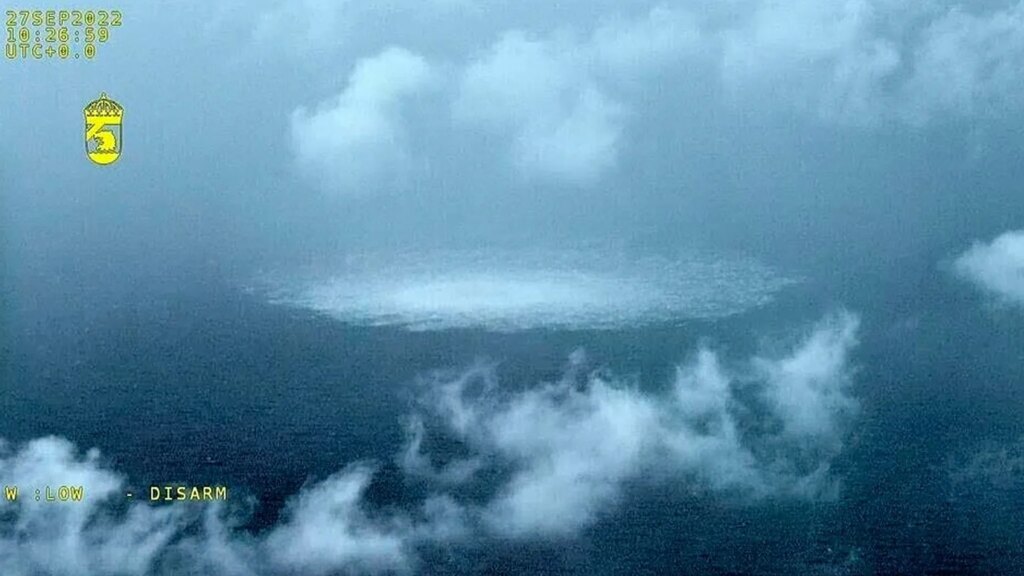
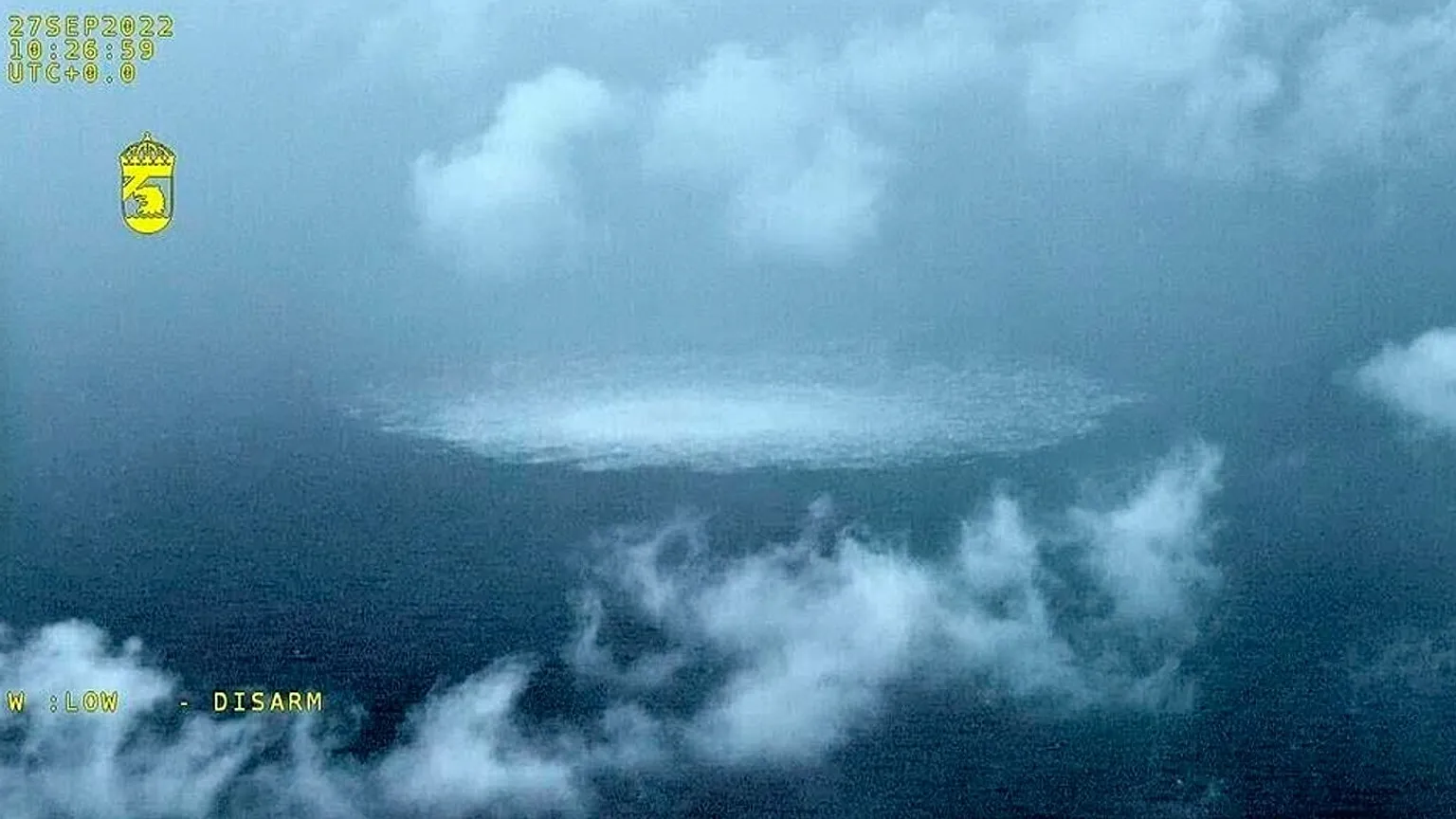
Nord Stream consitutes a system of pipelines beneath the Baltic Sea, extending from Russia to Germany, delivering natural gas to Western Europe and funneling billions into the Kremlin’s revenue.
On Wednesday, German prosecutors announced charges against an individual suspected of sabotaging the Nord Stream gas pipeline in 2022, which connects Russia and Europe.
 ADVERTISEMENT
  ADVERTISEMENT
Federal prosecutors confirmed to AFP that a man faces charges related to the explosion, with German media identifying him as a Ukrainian national and alleged leader of the operation team.
He has been named as Serhii K., the same individual detained in Italy during the summer of 2025 and subsequently extradited to Germany in November of that year.
According to reports, his charges include «attacks on civilian energy infrastructure, causing an explosive detonation, and destruction of constructed facilities.»
Currently, he remains in custody in Hamburg, where his trial is scheduled.
Investigators believe Serhii K. commanded the yacht used for the sabotage, the reports indicate.
The collected evidence against him is described as «overwhelming,» partly due to self-incriminating phone conversations with relatives and acquaintances recorded while he was detained in Italy.
Disguised as a pleasure cruise
A small Ukrainian team masked as a pleasure cruise played a role in sabotaging the Nord Stream pipelines, according to a 2024 report by the Wall Street Journal (WSJ).
This plan allegedly originated during a celebratory drinking night in May 2022, when Ukrainian military personnel marked stopping Russia’s large-scale invasion and sought an additional strike against Moscow, the article quoted four anonymous sources knowledgeable about the scheme.
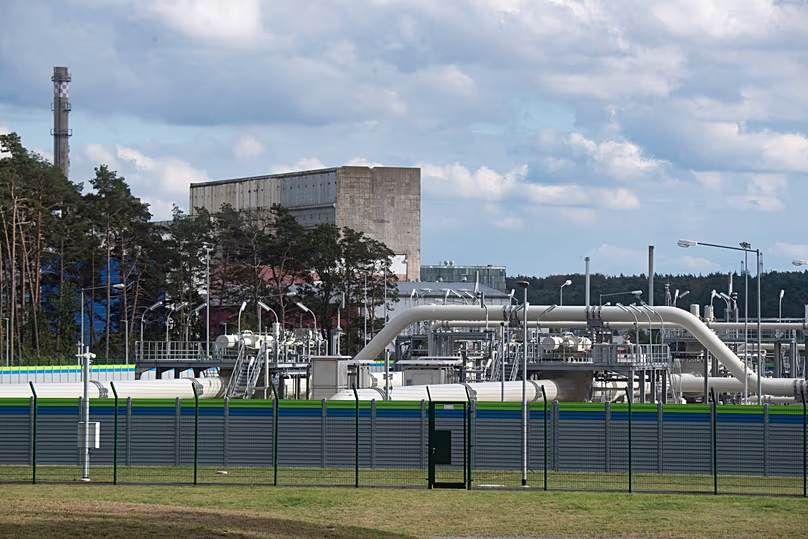
Nord Stream represents an undersea pipeline system delivering natural gas from Russia to Germany and supplying Western Europe, thus generating billions for Kremlin finances.
The operation reportedly cost approximately $300,000 (€273,000) and involved a six-member team aboard a small chartered yacht.
Ukrainian President Volodymyr Zelenskyy initially gave approval before the CIA became aware and requested that the mission be halted.
Despite the president’s stop directive, commander-in-chief Valeriy Zaluzhniy proceeded with the plan, according to WSJ.
The publication claimed to have interviewed four senior Ukrainian defense and security officials involved in or knowledgeable about the plot, all regarding the pipelines as a valid target amid defensive actions against Russia.
The explosions exacerbated existing tensions surrounding the Ukraine war, coinciding with Europe’s efforts to reduce reliance on Russian energy after the Kremlin’s full-scale invasion.
The blasts ruptured the Nord Stream 1 pipeline, Russia’s principal natural gas supply conduit to Germany until Moscow ended deliveries in late August 2022.
Simultaneously, Nord Stream 2 was also damaged; the pipeline had never begun operations due to Germany suspending its certification just before Russia’s February invasion of Ukraine.
Russia accused the United States of orchestrating the explosion, an allegation denied by Washington.
Additional sources • AP, AFP