
Kyiv has declared a 40-day campaign aimed at “applying pressure on Russia to halt its war,” which led the Russian-installed authorities in Crimea to institute a regional state of emergency on Friday.
President Volodymyr Zelenskyy of Ukraine confirmed his approval for the State Security Service (SBU) to initiate a 40-day campaign designed to exert pressure on Russia to end the conflict.
 ADVERTISEMENT
  ADVERTISEMENT
Zelenskyy’s statement followed a briefing with SBU leader Major General Yevhenii Khmara, who outlined Kyiv’s “strategy for long-range sanctions, medium-range sanctions, and the outcomes achieved by the SBU,» the president shared on X.
“For consecutive months, the SBU has revealed top-tier efficiency defending Ukraine’s front lines by deploying various types of drones,” Zelenskyy remarked Thursday night.
In response to this announcement, the Moscow-appointed occupation authorities in Crimea declared a regional state of emergency on Friday.
What does this operation involve?
Despite all Ukrainian military strategies remaining confidential, Zelenskyy refrained from offering further specifics regarding the planned operation.
He commended the SBU’s recent achievements in “striking personnel and assets of the occupying forces.”
The reference to mid- and long-range “sanctions”—Kyiv’s term for drone strikes targeted at Russia and occupied territories controlled by Moscow—hints at the nature of upcoming actions.
In recent weeks, Ukrainian units have inflicted multiple disruptions on Russian supply chains, critical energy infrastructure, and the supposed security of the country’s deep rear by targeting Crimea and Moscow.
Crimea and Moscow expected to remain focal points
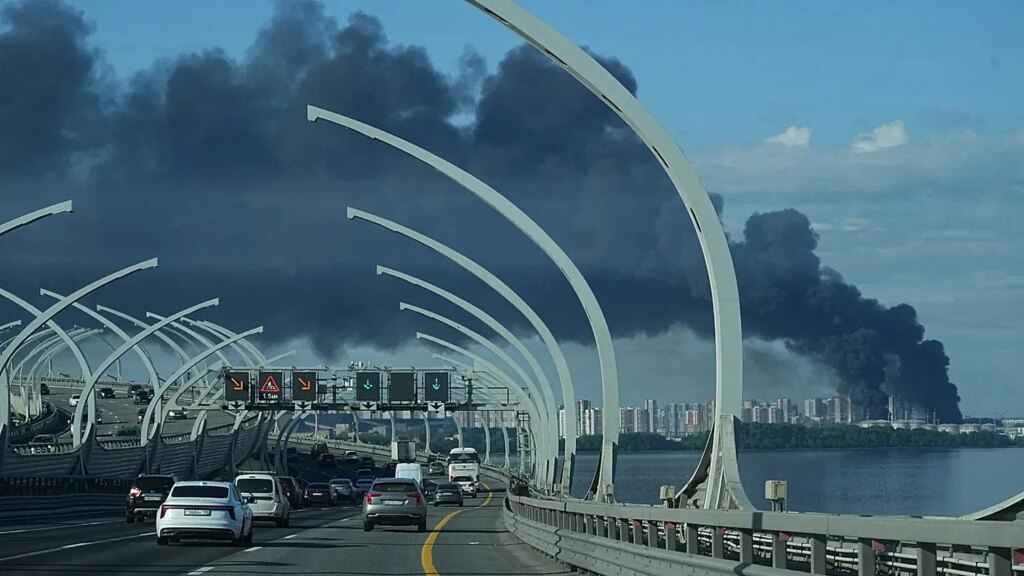
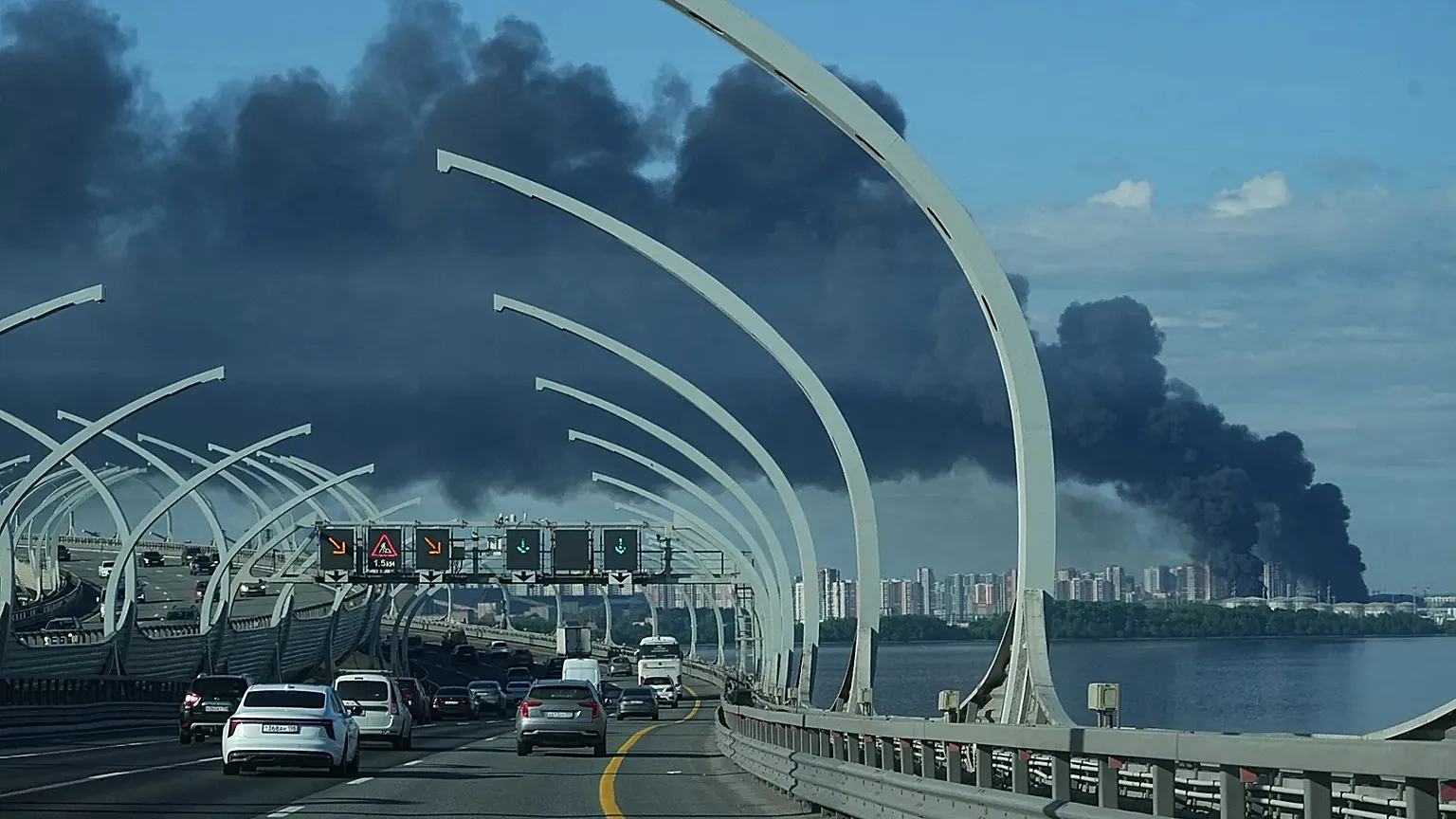
Successive drone assaults on Moscow—the nation’s most fortified area—led to the shutdown of the Moscow Oil Refinery, intensifying fuel shortages nationwide and directly impacting ordinary Russians, who have experienced relative calm during over four years of the full-scale invasion by Moscow into Ukraine.
Soon after the Thursday evening announcement, Moscow officials reported multiple drones launched by Kyiv towards the Russian capital.
Ukraine’s military intelligence revealed that its extensive strike campaign compelled Russia to redeploy air defense units to safeguard priority locations: Moscow and the illegally constructed Kerch Bridge, subsequently lessening protection elsewhere in Russian regions and the occupied zones.
”In practical terms, these two sectors are those Russians have been commanded to defend, compromising other areas of their territory along with the temporarily annexed Ukrainian regions,» Zelenskyy explained.
‘Hell is beginning’ for Russian forces in Crimea, Kyiv reports
The declaration of a regional state of emergency in occupied Crimea arrived just days after Ukrainian troops damaged a railway bridge across the North Crimean Canal, fuel installations, and military facilities throughout Crimea.
Extensive power outages have left nearly half of the peninsula without electricity.
Ukraine’s mid-range strike operations—which generally target locations 20 to 200 kilometers away—have already disrupted logistics within Russia-held Crimea, severing Moscow’s supply lines for its troops stationed in occupied Ukrainian territory.
Kyiv aims to isolate the peninsula completely, severing it from Moscow while dismantling essential infrastructure, ultimately placing Russian forces in a siege.
«Hell is starting,» Ukraine’s Defence Minister Mykhailo Fedorov stated on 17 June. «Logistics are interrupted. Crimea is being cut off.»
The campaign by Kyiv is actively ongoing on the annexed peninsula. Severe fuel shortages have prompted many Russian tourists to flee in panic.
The Belarus factor
Zelenskyy also issued a fresh warning to Belarus regarding Minsk’s «potential escalation of aggression» against Ukraine, noting that military infrastructure near the Belarus-Ukraine border is nearing completion.
«The development of road networks and storage sites for ammunition and fuel lubricants is almost finished,» Zelenskyy reported after receiving information from Ukraine’s Foreign Intelligence Service.
«These installations serve solely a military function.”
Earlier this week, Belarus’ exiled opposition delivered Kyiv a list of indicators signaling that Minsk is preparing to enter Russia’s conflict with Ukraine, detailing how Aliaksandr Lukashenka is shifting toward a wartime stance.
Zelenskyy’s recent alert came a day after Lukashenka appeared to concede to Kyiv’s ultimatum demanding removal of communications equipment on Belarusian territory that Ukraine associates with facilitating Russian drone attacks.
Kyiv warned Belarus of unspecified repercussions should the equipment remain.
For several months, Ukraine has sounded alarms about Moscow—Belarus’ closest ally—potentially drawing Belarus deeper into the fighting to support the Kremlin’s war efforts.
Belarus acted as the staging ground for Russia’s large-scale invasion of Ukraine in 2022 and has since reinforced its military alliance with Moscow.