
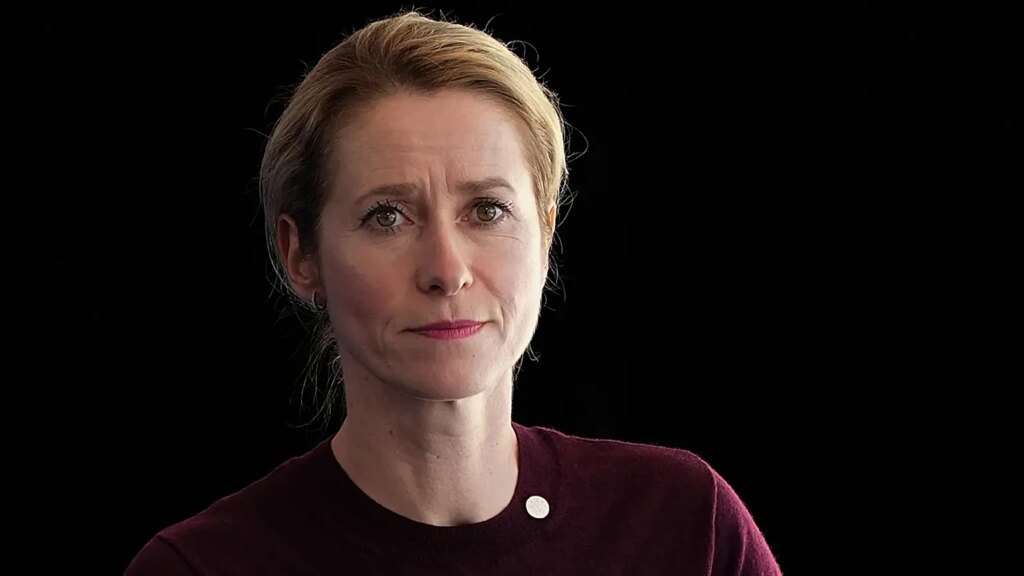
The EEAS has appointed Kajsa Ollongren as secretary general, with Matti Maasikas and David Cvach assuming deputy roles. These defence-centered selections come amid mounting demands on the bloc’s foreign policy apparatus.
On Wednesday, the EU’s foreign affairs division revealed new appointments to three pivotal roles, highlighting a pronounced focus on defence and NATO collaboration as calls for reform within the bloc’s diplomatic arm intensify.
 ADVERTISEMENT
  ADVERTISEMENT
Kajsa Ollongren has taken up the role of Secretary General of the European External Action Service (EEAS), filling the vacancy left by Belén Martínez Carbonell’s departure earlier this year.
She previously served as deputy prime minister, defence minister, and interior minister of the Netherlands and currently holds the post of EU special representative for human rights.
The newly established role of deputy secretary general for geoeconomics and interinstitutional matters—created during last year’s EEAS restructuring to manage interactions with member states’ ambassadors—was assigned to Matti Maasikas, who had been temporarily fulfilling the duties.
Previously, Maasikas was the EU ambassador to Kyiv at the onset of Russia’s 2022 full-scale invasion of Ukraine. His experience also includes tenure as Estonia’s deputy minister for EU affairs and as secretary general of its Ministry of Foreign Affairs.
David Cvach, France’s ambassador to NATO, was selected as deputy secretary general for peace, security, and defence. His background includes advising the French president on Middle East issues, especially concerning Iran, and directing European affairs at France’s Ministry for Europe and Foreign Affairs.
«Defending Europe and protecting Ukraine remain the central priorities of this mandate. It is crucial to appoint those who bring the strongest expertise and experience,» an EU official stated.
«It is intentional that these appointments will strengthen cooperation with NATO, as developing European defence must proceed in tandem with NATO efforts.»
The selected individuals bring diverse experience encompassing civil service, political positions, and high-level engagement with member states—factors deemed essential for the effective operation of the EU’s diplomatic service.
These appointments occur against a backdrop of growing pressure on the EEAS, with the European Commission, led by President Ursula von der Leyen, increasingly involving itself in foreign policy areas such as relations with Israel.
Earlier this month, media reports indicated some member states were considering limiting the EEAS’s authority, though this was presented as one possible approach alongside bolstering the powers of the high representative.
A prospective EEAS reorganisation and broader discussions on enhancing EU foreign policy effectiveness are set to feature at an informal foreign ministers’ meeting in Ireland in early September.
«For High Representative/Vice President Kaja Kallas, collaborating with a new team to improve the EEAS’s functionality and better serve member states and EU institutions is a top priority,» the EU official added.