
'Countries that emerge strongest from the next phase of the transition will be those with diversified energy systems that remain secure, affordable and sustainable in a more uncertain world' writes Roberto Bocca from World Economic Forum’s Centre for Energy and Materials in an OpEd for Euronews.
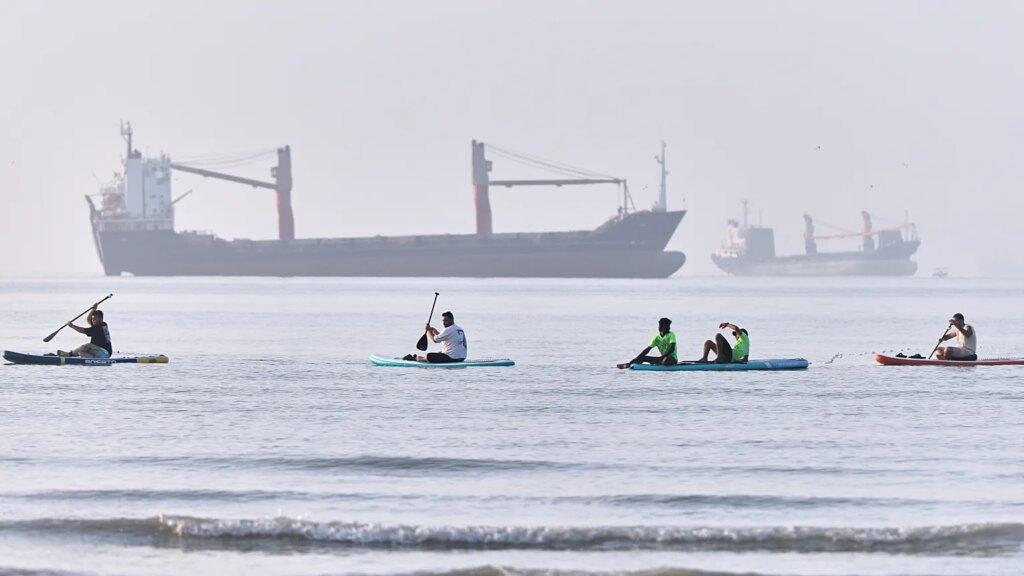
The disruption of energy supplies through the Strait of Hormuz triggered far-reaching effects beyond just oil and gas sectors. Its impact rapidly spread across global maritime transport, industrial supply networks, and household energy costs, while exacerbating inflationary and fiscal challenges.
 ADVERTISEMENT
  ADVERTISEMENT
Yet, this crisis also underscored a pressing truth: for numerous nations, the energy transition involves not only sustainability but equally security and economic durability.
For much of the past ten years, the fundamental debate around the transition revolved around whether clean energy technologies could expand rapidly enough to rival fossil fuel sources. In many industries and regions, this question has been decisively answered. By 2025, renewables and nuclear accounted for 42% of electricity generation worldwide, renewable power capacity grew by 9%, and global clean energy investment surged to an unprecedented $2.3 trillion.
Energy systems that remain affordable, sustainable and resilient under stress
The more challenging challenge now is whether countries can create energy systems that are diversified, reliable, affordable, and resilient under various stresses.
Recent research by the World Economic Forum reveals that many nations are encountering difficulties in achieving all three goals simultaneously. While the deployment of clean energy made continued strides last year, the vital foundations supporting long-term progress—including investment, infrastructure, policy consistency, and innovation—faced significant pressures. Signs of strain on energy security were especially evident amid escalating geopolitical tensions, infrastructure limitations, and concentrated supply chains. The crisis in Hormuz further accelerated this trend.
This growing fragility is increasingly influencing governmental approaches to energy transitions.
Investing in domestic capacity and diversified energy sources
Historically, progress was chiefly gauged by deployment speed: how rapidly and cost-effectively countries could build renewable infrastructure, scale electric vehicle adoption, or attract capital. Today, energy security has become a key indicator of success—the capacity to sustain dependable and affordable energy amidst mounting geopolitical instability.
The most effective responders are those that mitigate exposure to external shocks by boosting domestic production capacity and diversifying their energy sources.
China exemplifies this approach. Although it still partially depends on imported fossil fuels and domestic coal, the nation is rapidly expanding electrification and grid infrastructure through large-scale renewable deployment. At present, wind and solar contribute 22% of China’s electricity generation. The importance lies not only in the speed and volume but also in the objective to limit vulnerability to external disruptions via a more resilient, internally interconnected energy system.
Europe wants to reduce exposure to potentially volatile imports
Europe is pursuing a different strategy yet aligned aim. Since the outbreak of the conflict with Russia in Ukraine, investments in grids, energy storage, hydrogen, heat pumps, and domestic clean-tech manufacturing have become as much a matter of strategic autonomy and competitiveness as climate action. A principal aim is reducing reliance on imports prone to volatility—although the Hormuz disruption has highlighted the magnitude of this task.
Meanwhile, Brazil illustrates the potential benefits of enhanced resilience. Years of investment in biofuels, along with a relatively clean domestic power mix, have made the country less vulnerable to the recent market fluctuations than many peers. Renewed funding for ethanol, biodiesel, and sustainable aviation fuel strengthens this position, collectively buffering the country against external shocks while advancing its decarbonization targets.
Japan has set up a national system for stockpiling rare metals
Japan spotlights another facet of resilience: supply chain security and technological innovation. Energy security now extends beyond fuel supplies to include critical minerals, batteries, semiconductors, and grid technology. The country’s national rare metals stockpiling scheme guards against international supply disturbances, while decades of improvements in energy efficiency, sustainability, and innovation demonstrate how security can coexist with industrial competence. This creates a model where resilience enhances competitiveness rather than merely mitigating risk.
Collectively, these cases highlight a shift in the competitive rationale underlying the transition. Countries capable of delivering reliable power from diverse resources, reinforced infrastructure, and secure supply chains will attract investments and fortify industrial capacity more effectively. The capacity to endure disruptions has become a pivotal economic advantage.
Energy security is not separate from the transition
For policymakers, this means prioritizing not only renewable deployment but also developing the grids, storage solutions, and investment frameworks that underpin system resilience. For businesses, energy strategy will intertwine with competitiveness strategies. Manufacturers, data centers, and industrial operators now face risks beyond energy prices, including grid reliability, fuel supply interruptions, and infrastructure constraints. These considerations will increasingly influence investment decisions as companies put a premium on supply stability and predictability.
The key insight from the Hormuz disruption is less about the persistent vulnerability to fossil fuel shocks and more about recognizing that energy security is integral to the transition itself. Without dependable and secure energy, affordability weakens, and sustainability becomes more difficult to uphold.
The nations that will emerge strongest in the forthcoming phase of the transition are those building diversified energy systems that are secure, affordable, and maintain sustainability amid greater uncertainty.