
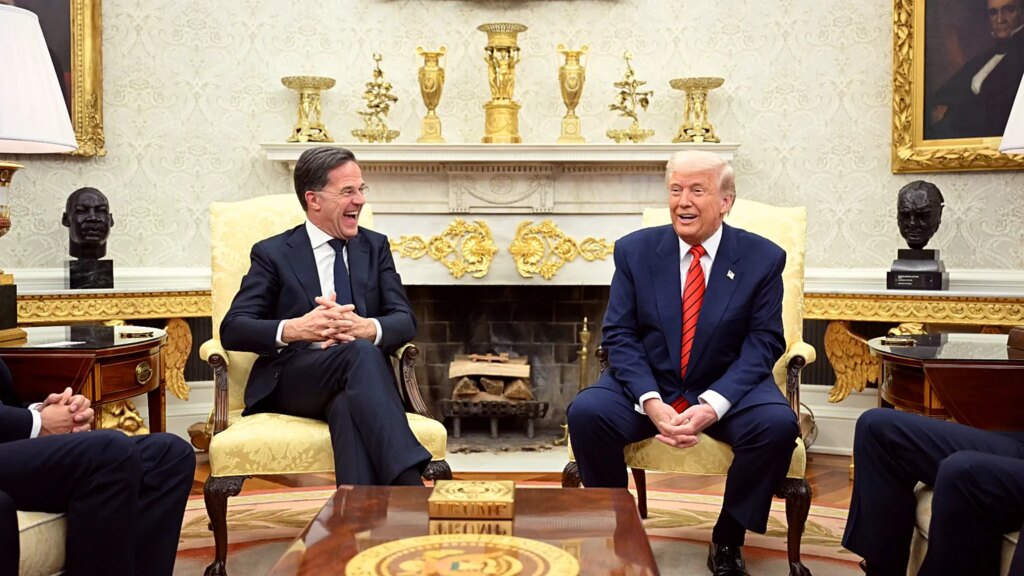
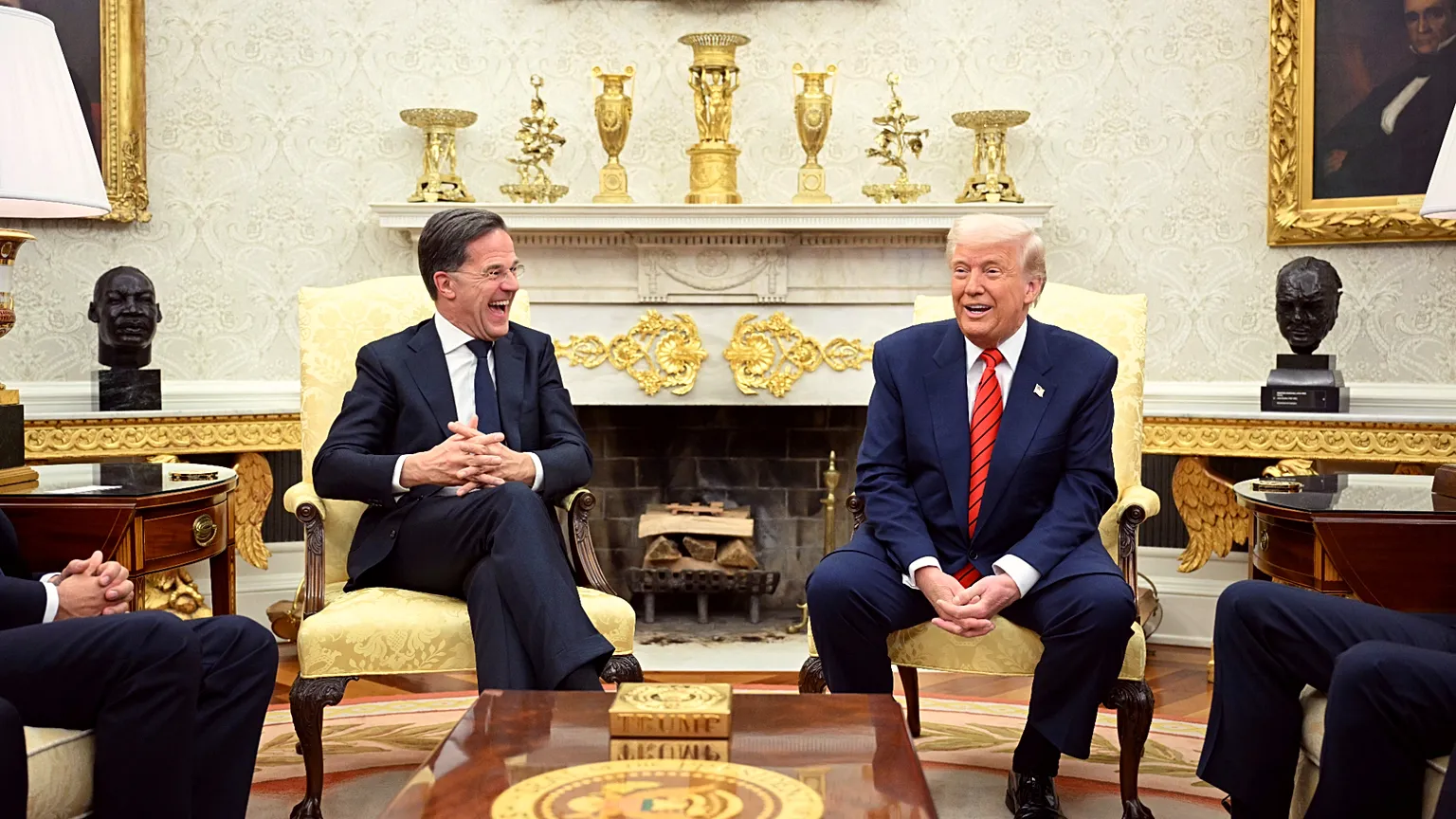
EXCLUSIVE: NATO Secretary General Mark Rutte is scheduled to visit Washington next Tuesday ahead of the annual NATO summit in Ankara this July. Tensions between the US and its NATO partners have escalated after Trump accused European nations of abandoning the US during the Iran conflict.
NATO Secretary General Mark Rutte will travel to Washington next week as partners aim to ease transatlantic tensions prior to NATO’s annual summit in July, Euronews understands.
 ADVERTISEMENT
  ADVERTISEMENT
European-led initiatives to reinstate freedom of navigation through the Strait of Hormuz, following the US-Iran agreement to cease hostilities, are expected to be a central topic in the talks.
«The reopening of free passage through the Strait of Hormuz would represent a significant advancement,» Rutte stated to reporters at NATO headquarters in Brussels on Wednesday.
«I am aware that numerous Allies, under the leadership of France and the United Kingdom, are prepared to back this endeavor,» he added.
Rutte’s visit from June 23 to 25 coincides with preparations for what NATO officials hope will be a more cohesive summit after several months of transatlantic strain.
He spoke ahead of the NATO defence ministers’ meeting in Brussels on Thursday, which serves as another important step before the summit. US Defence Secretary Pete Hegseth is expected to participate.
According to alliance insiders, Rutte aims to mend ties between Washington and NATO members following tensions caused by European opposition to the US-Israeli military campaign against Iran.
Officials note that the agreement with Tehran has diminished the possibility of the July summit devolving into a confrontation between President Donald Trump and European leaders.
«With the deal now in place, our position improves,” a NATO official told Euronews, adding that Trump «will be in a stronger stance» once the peace agreement with Iran is formalized.
“To be frank: each time there were difficulties in Iran, NATO allies faced considerable backlash,” the source continued.
Trump expressed frustration when some NATO members initially denied US forces access to European bases used for refueling and other operations linked to the conflict.
Others, such as Germany, granted full access to Ramstein Air Base in Rhineland-Palatinate, which coordinated drone and missile strikes against Iran.
The relationship worsened after German Chancellor Friedrich Merz criticized Washington’s handling of the situation. Trump responded by reducing US military presence in Germany and publicly admonishing allies he believed had failed to support the campaign.
«Whether we receive support or not, I have told them this: We will remember,” Trump declared to reporters aboard Air Force One in March.
Trump is anticipated to attend the July 7-8 summit in Ankara, where Allies are expected to commit to further increases in defence budgets and a substantial expansion of weapons production.
«There is a need for more forces, additional resources, and a considerably stronger industrial base,» Rutte said ahead of the ministerial meeting.
«This necessitates consistent increases in defence investment.»
Most NATO members have agreed to join a French- and British-led operation aimed at reopening the Strait of Hormuz. Several have already deployed assets, including frigates, minesweepers, and security personnel, to the area.
An additional key focus of the summit will be shifting greater responsibility for NATO and transatlantic security towards Europe and Canada. The US has communicated its intention to reduce certain military capabilities provided to the alliance.
These reductions include long-range strike aircraft such as the B-2 and B-52 bombers. The Pentagon is also expected to lower the number of F-16 and F-35 fighter jets allocated for NATO operations.
Allies will be required to show progress toward the goal of allocating 5% of GDP to defence, an agreement reached at last year’s NATO summit in The Hague.
Sources informed Euronews that Rutte is growing increasingly impatient with the slow progress in some capitals and plans to address the matter firmly in the near future.