
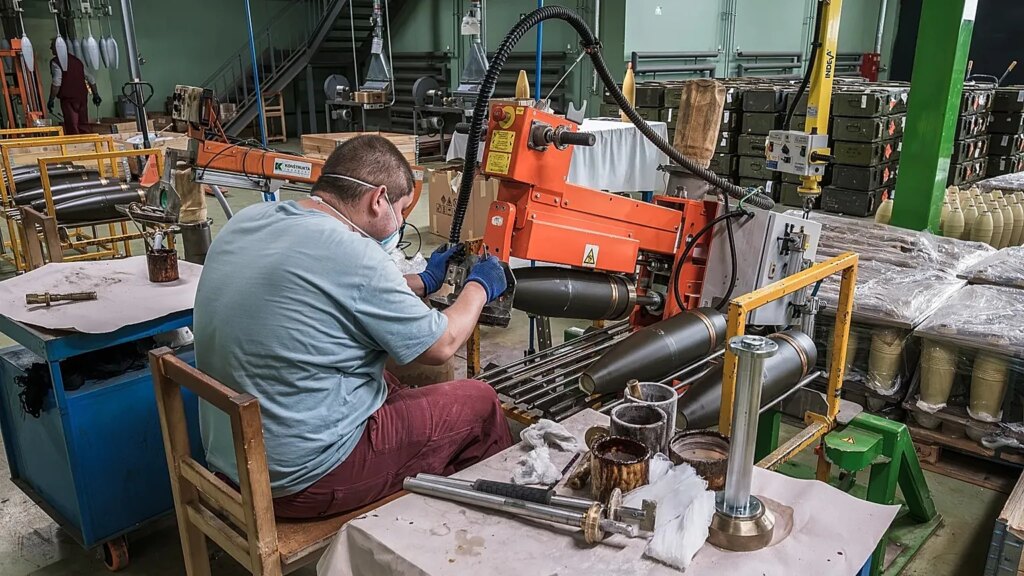
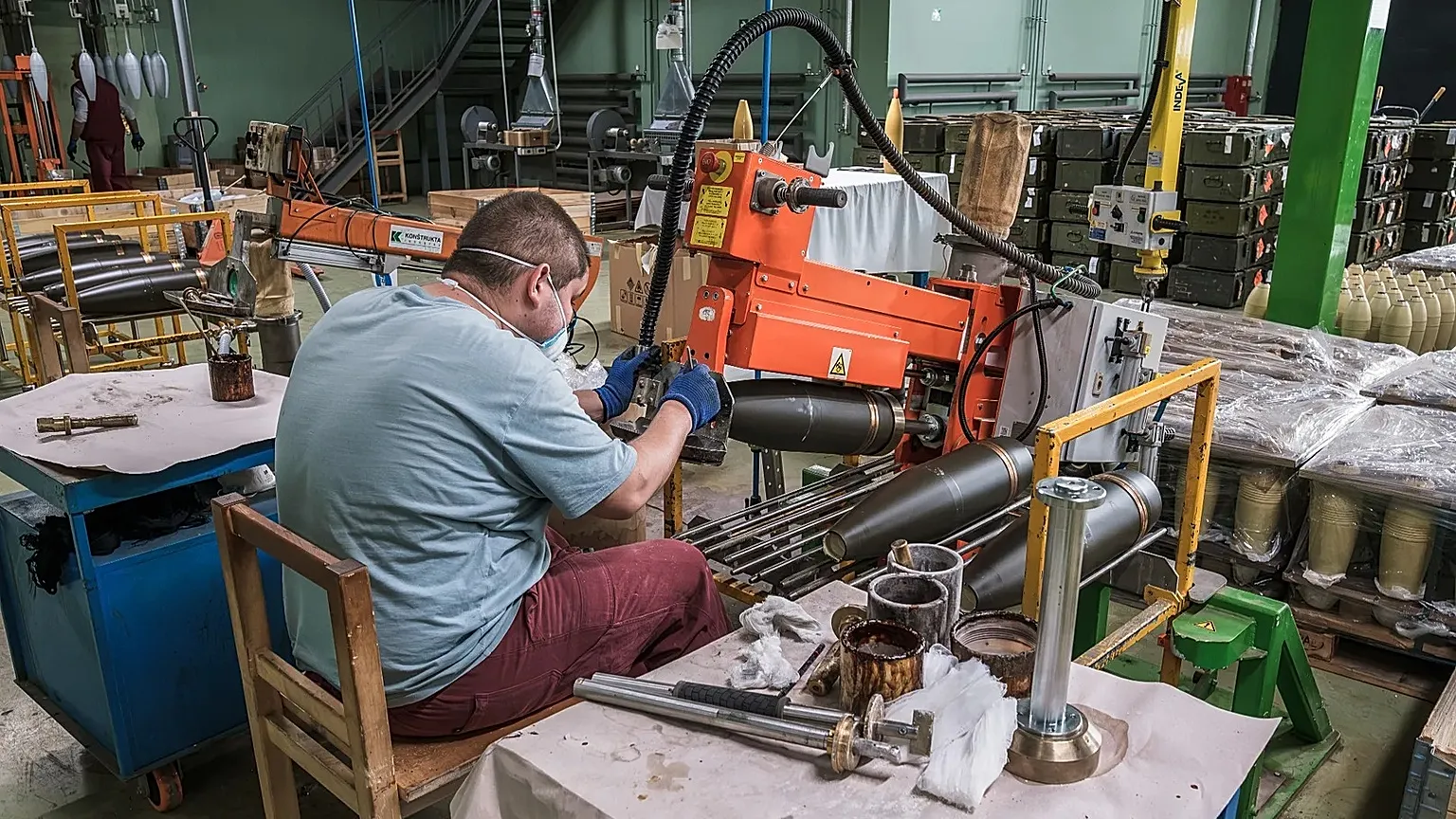
Bulgaria, a NATO and EU member, has been supplying military assistance to Ukraine since Russia launched its broad invasion in 2022.
Bulgaria’s prime minister announced on Wednesday that the country will cease providing weapons from its military reserves to Ukraine, urging instead the pursuit of «a diplomatic resolution» to the conflict.
 ADVERTISEMENT
  ADVERTISEMENT
Although the country’s defence sector remains a key ammunition supplier for Kyiv, Prime Minister Rumen Radev stated the government is «stopping the supply of weapons from Bulgaria’s army to Ukraine.»
«We have already provided a substantial amount, despite the ongoing socio-economic impacts this brutal war inflicts on our nation,» he informed the press ahead of a cabinet session.
Radev, considered sympathetic to Russia and an advocate for dialogue with Moscow, took office in May following his party’s parliamentary election victory.
He expressed on Wednesday his belief that a peaceful settlement to the Ukraine conflict cannot be reached through military efforts.
«Therefore, we once more emphasize the necessity for a comprehensive and realistic approach to this war, advocating for diplomatic measures,» he concluded.
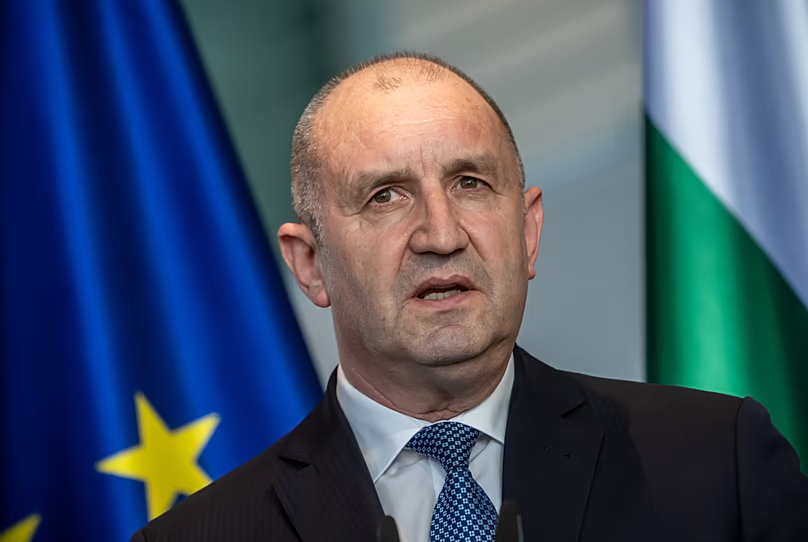
Radev’s statements align with those of Defence Minister Dimitar Stoyanov, who remarked on Tuesday that the conflict will not be resolved militarily.
“This conflict has become a war of attrition, where accumulating weaponry only leads to greater loss of life,” he said.
“Ukraine requires more personnel rather than additional arms. Already sufficiently armed, there are no plans to send more weapons to the Ukrainian forces.”
As a NATO and EU member, Bulgaria has supported Ukraine militarily since Russia’s full-scale invasion began in 2022.
Shipments primarily consisting of Soviet-era arms were crucial in the early war stages. Due to political disputes domestically, deliveries were usually routed through third countries.
Stoyanov emphasized the importance of initiating peace talks, aiming for an agreement acceptable to both parties.
“Certainly, the EU plays an essential role here,” he noted, adding that “it is complicated to assign the EU as a mediator since it already provides substantial support to Ukraine.”
Additionally, Stoyanov announced Bulgaria’s intention to raise defence expenditure to 5% of GDP by 2030.
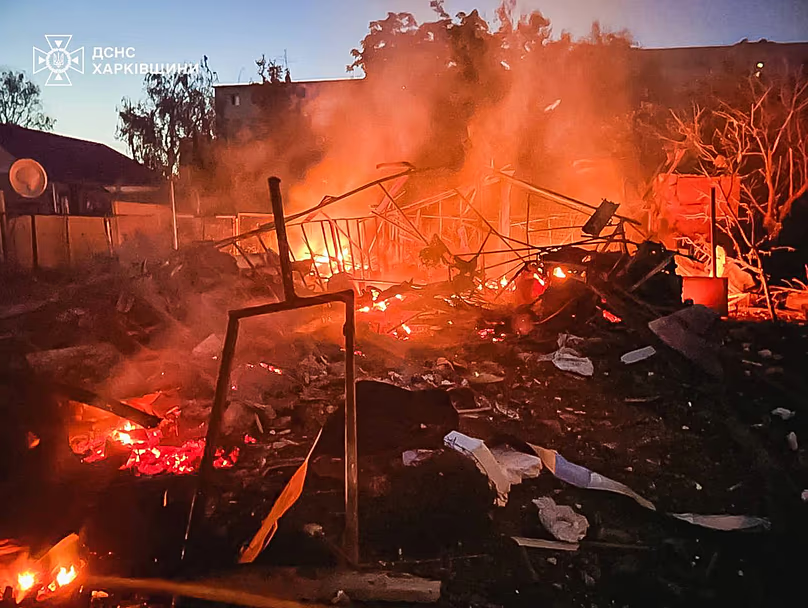
Bulgaria supplied Ukraine with weapons from its military stockpile, including surface-to-air and air-defense missiles, compensated via the EU’s European Peace Facility fund.
Despite multiple Bulgarian administrations expressing reluctance to ship arms directly to Ukraine, the national defence industry remains a principal provider of ammunition for Kyiv.
The centre-right GERB party, led by former prime minister Boyko Borissov, criticized the decision to halt military aid, stating it damages «trust in Bulgaria as an ally.»
Additional sources • AP, AFP