
Last weekend, Russia launched a large-scale bombardment on Kyiv, injuring nearly ninety civilians. Moscow also deployed its experimental Oreshnik ballistic missile, capable of carrying nuclear weapons. Should Europe be concerned?
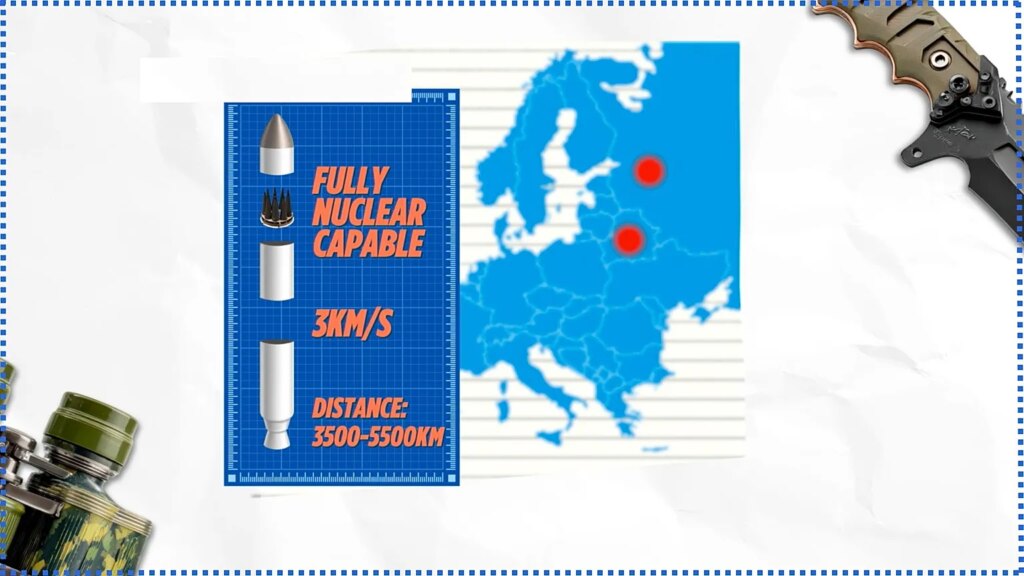
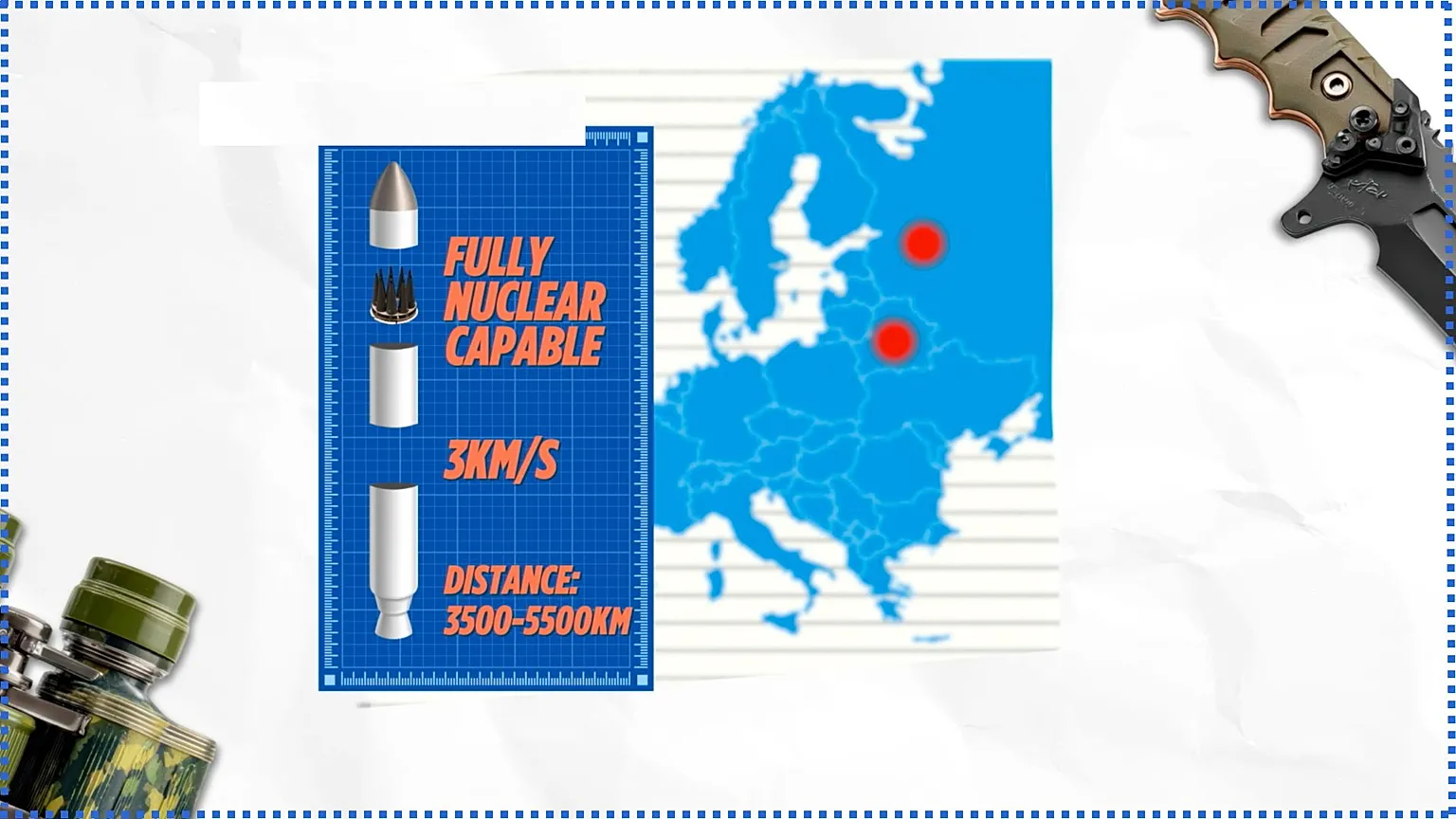
Reaching speeds of Mach 10, or tenfold the speed of sound, its operational range covers almost the whole of Europe.
 ADVERTISEMENT
  ADVERTISEMENT
Whether fired from Russian territory or launched from Belarus, the Oreshnik, traveling at approximately three kilometers per second, can strike cities like Warsaw, Berlin, Paris, or London within minutes.
Moscow claims that this missile is unstoppable. Due to its extreme velocity, current air defense systems indeed find it very challenging to intercept.
Nonetheless, military analysts highlight a crucial point: its trajectory remains a predictable straight path, without mid-flight directional changes typical of hypersonic missiles, reducing its classification as a superweapon compared to Kremlin assertions.
Yet, does Russia truly require such powerful missiles to intimidate the EU? Not necessarily. Recently, suspected drone attacks brought the Lithuanian capital Vilnius to a standstill, compelling its top officials to seek shelter in underground bunkers.
This situation underscores that, in Europe, conflict is not just a distant news item. Moscow employs these low-cost, gray-zone tactics to probe European defenses. So, how is Europe responding?
Berlin is spearheading efforts, with Chancellor Friedrich Merz increasing Germany’s defense budget to a record 108.2 billion euros this year.
On the technological side, the Anglo-German startup Hypersonica has recently conducted a successful test of Europe’s first sovereign hypersonic rocket in Norway.
However, modern defense is no longer simply about firepower or range. As classic military wisdom states, the best victories occur without combat. The true strength of such advanced systems lies in deterrence, to ensure they are never employed. Meanwhile, Europe develops weapons aimed at preventing war, while Russia actively uses them in conflict.
Watch the Euronews video in the player above for the full story.