
The summit will concentrate on the Trump administration’s intentions to gradually withdraw its security commitments to Europe — including in wartime — and the reduction of the alliance’s essential weapons reserves caused by ongoing conflict in Iran.
NATO foreign ministers are convening in Sweden for a two-day summit amid a period of uncertainty for the alliance.
 ADVERTISEMENT
  ADVERTISEMENT
At the forefront of discussions is the Trump administration’s declaration that it will progressively reduce US involvement in European security, thus no longer assuring support even during wartime.
The gathered officials will also explore ways to boost defence manufacturing as the conflict in Iran depletes the alliance’s stockpile of advanced American-manufactured weaponry.
Precise information regarding the withdrawal of US support and capabilities is expected to be released on Friday, but NATO insiders have confirmed the proposal “does alter the US role in NATO during a crisis or conflict.”
NATO Secretary General Mark Rutte minimized the impact of the US announcement by emphasizing that the Trump administration has long indicated a shift away from the European security framework under the “America First” policy.
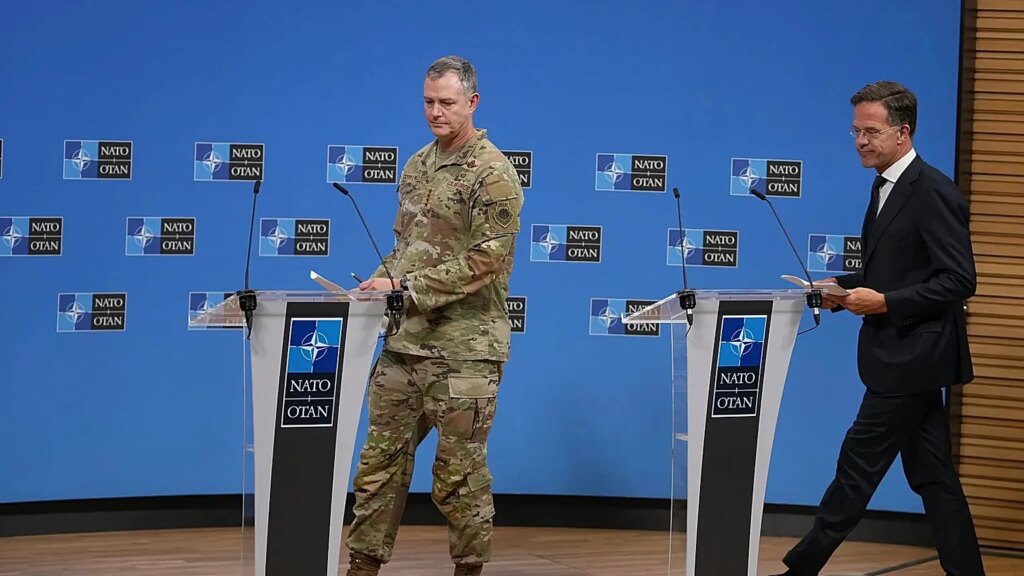
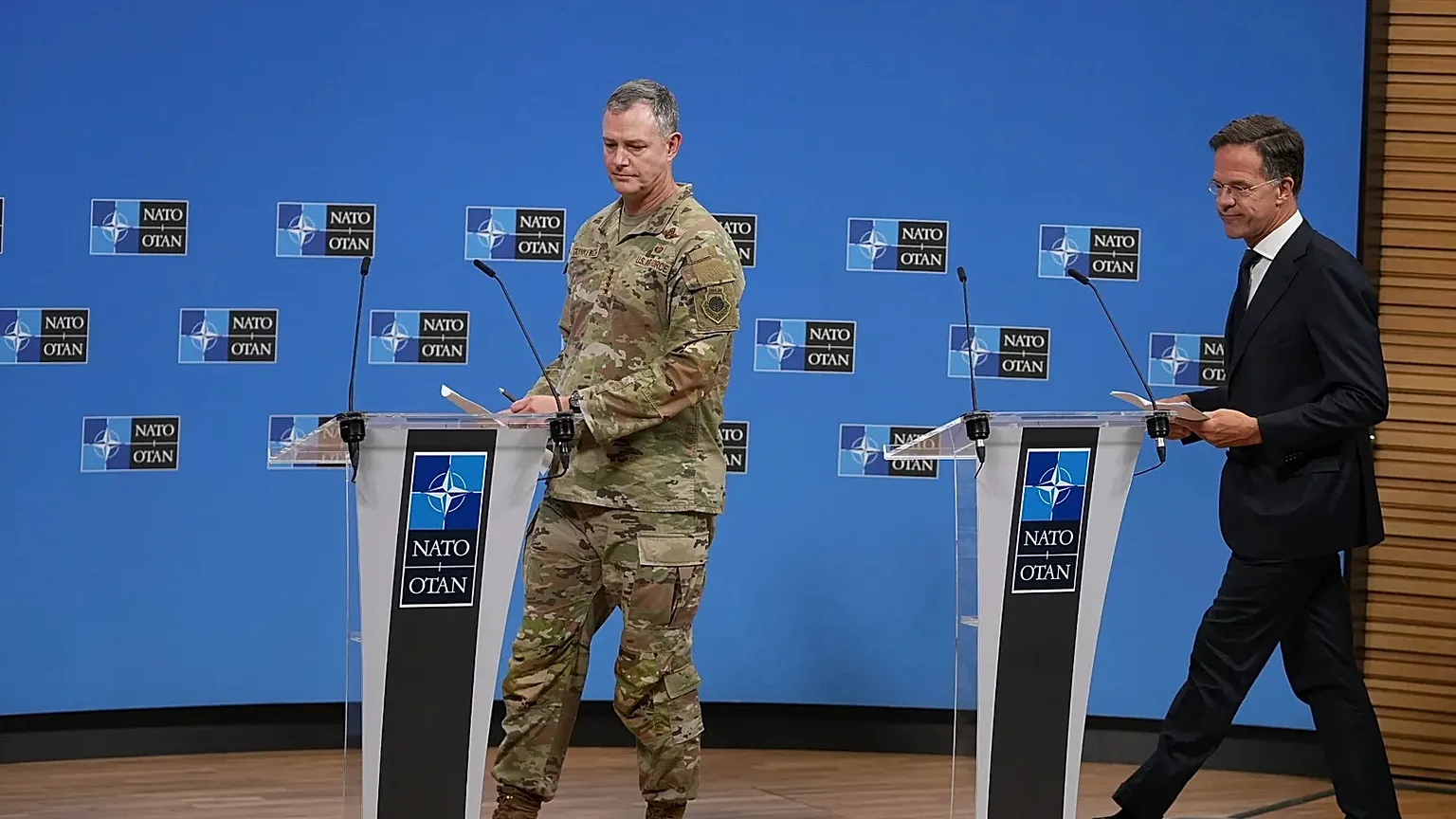
“This was anticipated,” he stated before the meeting at a Brussels press conference on Wednesday. “It’s understood that changes will happen, as the US must reorient towards, for example, Asia.”
Nevertheless, “this transition will occur gradually, in an orderly fashion,” he added, assuring that “the US will remain engaged in Europe.”
This realignment is being integrated within the NATO force model — the alliance’s system managing national military contributions alongside overall deterrence and defence requirements.
However, this comes just weeks after US President Donald Trump unexpectedly announced plans to withdraw 5,000 troops from Germany following disputes with German Chancellor Friedrich Merz over the US-Israeli conflict with Iran.
Trump was offended by Merz’s criticism of the war as misguided and claims that White House negotiators faced “humiliation” from Tehran’s regime.
Instead of reducing forces in Germany by 5,000 soldiers, Trump actually canceled the deployment of 4,000 troops already en route to Poland, surprising Warsaw.
Increasing production
US Secretary of State Marco Rubio will join his counterparts in Sweden, and Euronews understands he intends to stress the urgent necessity for enhanced defence industrial output among the allies.
To maintain supplies for Ukrainian forces fighting Russia, NATO members procure complex US weaponry via the Prioritised Ukraine Requirements List.
As the US expends large quantities of critical ammunition and weapons such as Patriot air defence systems in its conflict with Iran, Euronews has learned that if this depletion continues at its current pace, Europe could face shortages of essential munitions deliveries for the Ukrainian military.
“The issue is no longer whether more must be done,” Rutte told journalists on the demand for increased weapons production. “The question is how swiftly allies can transform pledges into operational capabilities.”
This week’s ministerial session acts as a key step towards the annual NATO leaders’ summit slated for Ankara in July.
During their meeting in Sweden, ministers will consider extending a formal invitation to Ukrainian President Volodymyr Zelenskyy, who attended part of last year’s summit in The Hague at the invitation of the Dutch King.
The year before, at the Washington DC summit, he received a full invitation under the Biden administration, which showed considerably more support for Ukraine than the second Trump administration, which effectively hindered Ukraine’s ambitions for NATO membership.