
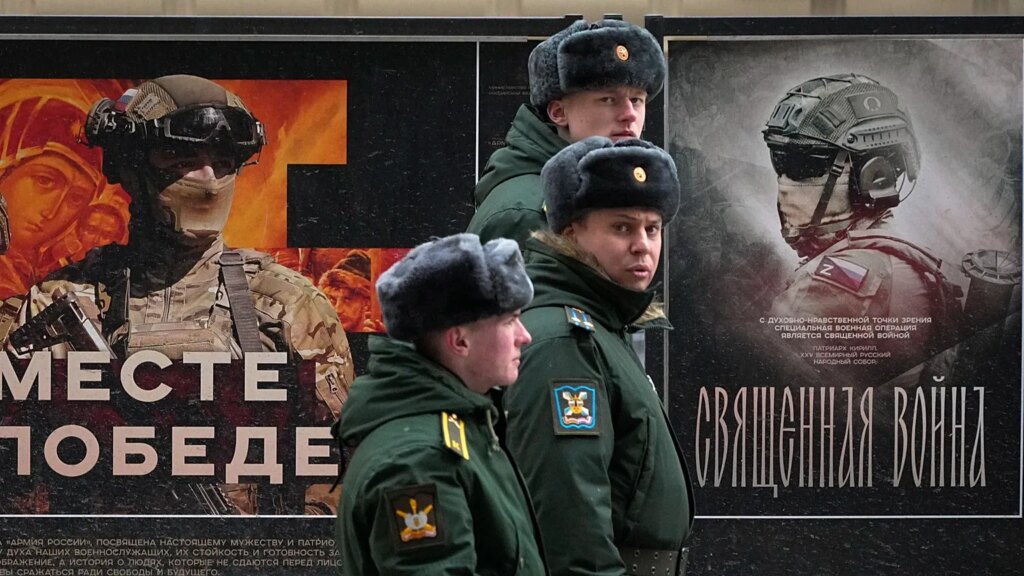
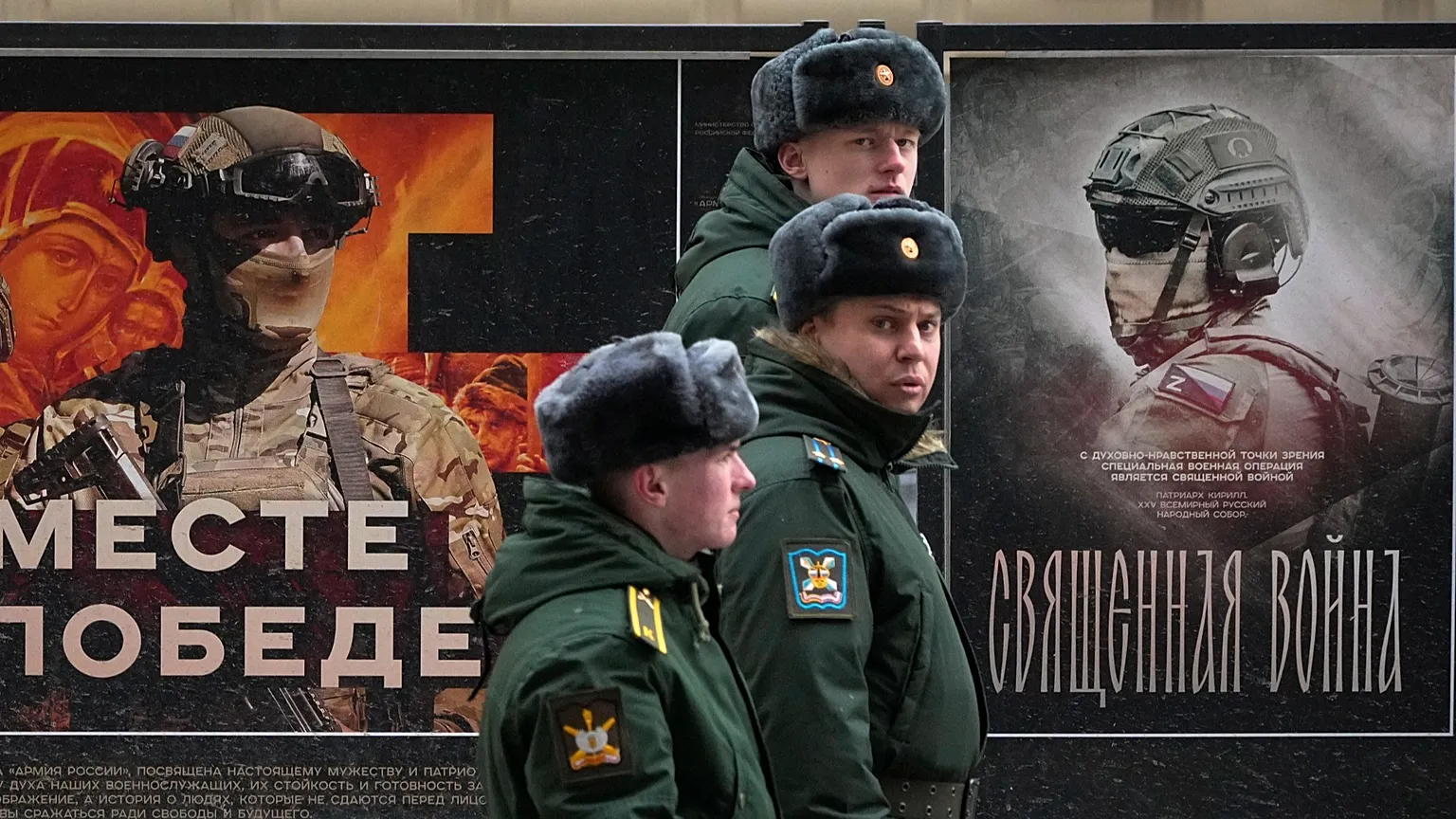
The State Duma of Russia has passed legislation authorizing the deployment of armed forces to «protect Russian citizens abroad,» effectively granting Vladimir Putin permission to carry out invasions of other nations.
Russian legislators have approved a law that officially grants the Kremlin the power to send military forces overseas to «safeguard Russian citizens,» thereby providing President Vladimir Putin with practical authority to engage in foreign invasions.
 ADVERTISEMENT
  ADVERTISEMENT
According to documents from the State Duma, the legislation was crafted to defend the rights of Russian nationals in scenarios such as arrest, detention, or criminal prosecution decided by foreign courts operating without Russia’s involvement.
Vyacheslav Volodin, head of the State Duma, remarked that «Western ‘justice’ has evolved into a repressive tool against those dissenting from the rulings imposed by European authorities.»
«Given these conditions, safeguarding the interests of Russian citizens abroad is crucial.»
Putin has invoked the pretext of safeguarding «Russian-speaking populations and Russian citizens» to justify his actions in eastern Ukraine, the unilateral annexation of Crimea in 2014, and the full-scale war launched against Ukraine in early 2022.
Andrey Kartapolov, chair of the State Duma Defence Committee, stated the proposed law aims to «counteract the ongoing campaign of intense russophobia abroad.»
This new legislation intensifies concerns from European officials about Russia’s direct military threat to neighboring countries.
Russia’s persistent missile and drone attacks on Ukraine have resulted in Russian weapons striking NATO territories, prompting European nations to enhance their defense systems accordingly.
In April, Ukrainian President Volodymyr Zelenskyy suggested that Russia’s tightening control over online platforms and restrictions on popular messaging apps could herald a mobilization of conscripts and a forthcoming offensive, potentially targeting Ukraine or the Baltic states.
Moscow has issued several threats toward the Baltic nations since initiating the full-scale invasion of Ukraine.
Earlier this week, Sweden announced plans to establish a new intelligence agency focused on foreign threats, as part of a broader strategic shift driven by Russia’s war in Ukraine.