
In March, the European Parliament dismissed the proposed detection scheme for child sexual abuse material, and reviving it now could disrupt negotiations on a more permanent law.
European governments are attempting to revive a temporary framework that permits messaging platforms to scan for child sexual abuse material, though this initiative might disrupt progress towards establishing a long-term legal solution.
 ADVERTISEMENT
  ADVERTISEMENT
On Friday, EU ambassadors consented to proceed with a temporary extension of the legal measures enabling platforms like WhatsApp and Messenger to detect users suspected of circulating child sexual abuse material (CSAM).
This initiative, driven by the Cypriot presidency of the Council of the EU, would mark an unprecedented step since the European Parliament voted against prolonging the temporary arrangement in March.
MEPs caution that if the Council enforces the temporary measure despite parliament’s firm rejection, it will complicate ongoing negotiations aiming to establish a comprehensive anti-CSAM framework.
«The European Parliament has consistently supported targeted detection,» explained MEP Birgit Sippel (Germany/S&D) in an interview with Euronews. «Given the advances made on the long-term legal framework, reopening the debate on extending the interim derogation would hinder those talks.»
This interim rule was intended to exempt certain EU privacy regulations on electronic communications until a permanent CSAM regulation is adopted.
The proposed permanent legislation, referred to as «chat control» by critics, has sparked controversy among EU nations and legislators, mainly due to concerns over privacy and its impact on end-to-end encrypted messages.
According to a note circulated earlier this week and obtained by Euronews, the Cypriot presidency urged member states to «carefully consider adopting a first-reading position by the Council, despite this being unprecedented given the European Parliament’s rejection of the Commission’s proposal.»
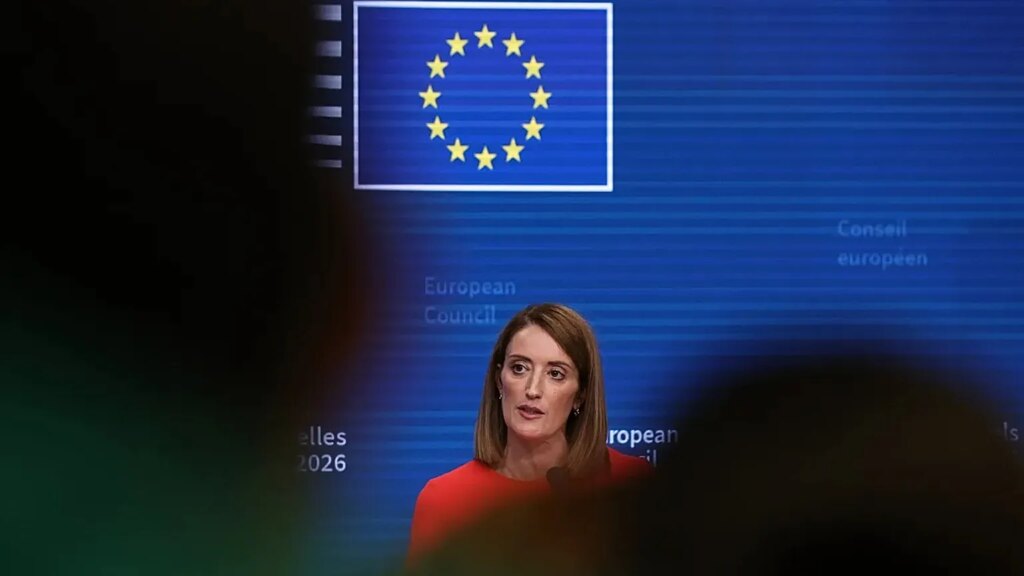
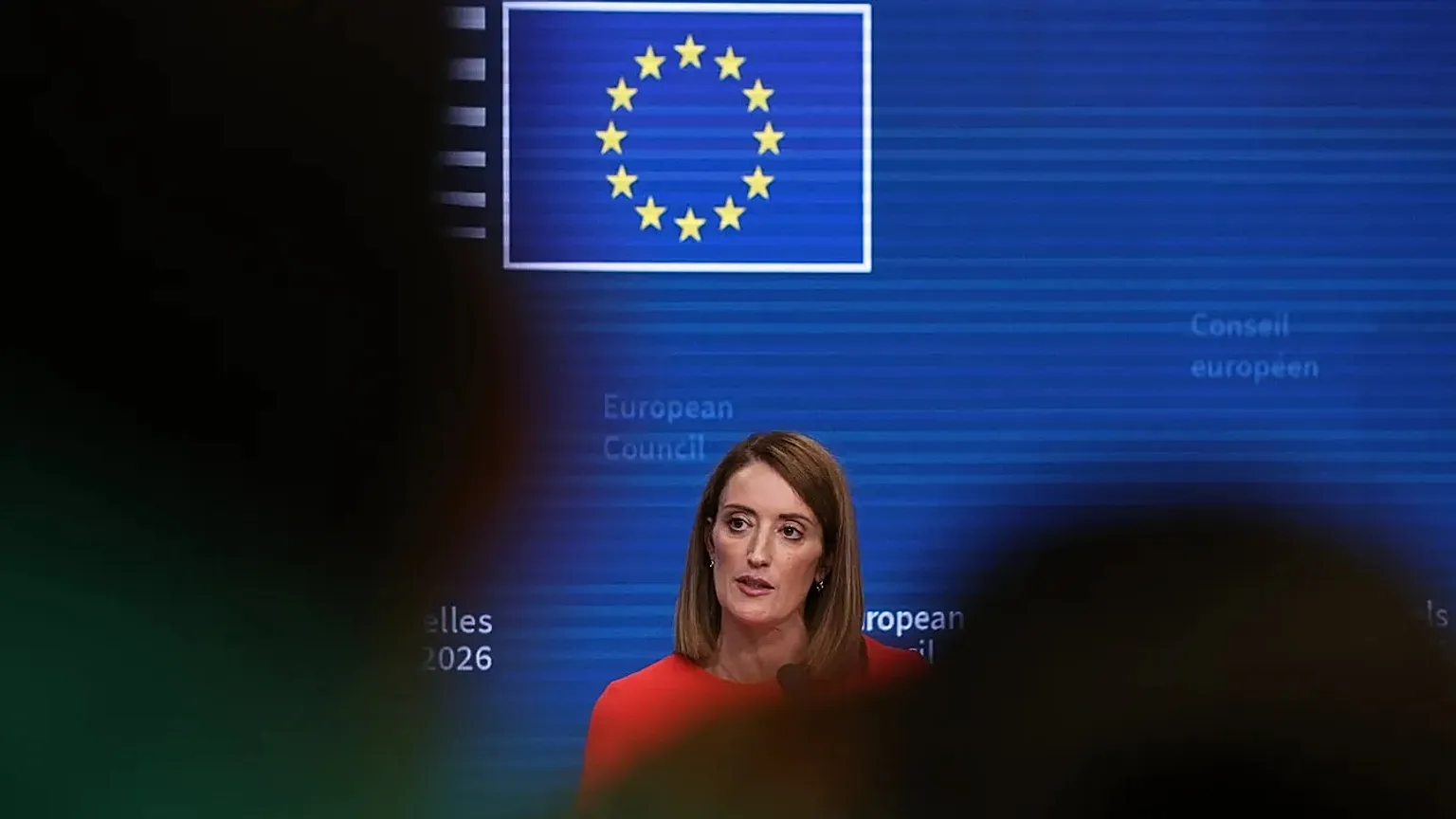
Ironically, this initiative was prompted by European Parliament President Roberta Metsola. Even without consensus within her institution, she urged EU leaders at the June 18 European Council summit to advance the interim measure.
It remains unclear whether Metsola coordinated this action with her political group, the centre-right European People’s Party (EPP), which is the chamber’s largest faction. The office of MEP Javier Zarzalejos, responsible for this file within the EPP, declined to comment to Euronews.
«This request originated from Groups during the Conference of Presidents meeting in preparation for the European Council,» Metsola’s office told Euronews.
Conversely, progressive MEPs regard this attempt as a forceful effort by both the EPP and the Council to override the parliamentary majority’s decision.
«Attempts to reopen negotiations through questionable procedural tactics won’t enhance their success and only undermine Parliament’s stance,» stated MEP Markéta Gregorová (Czechia/Greens/EFA) to Euronews.
The upcoming interinstitutional negotiations on the CSAM regulation are scheduled for Monday. While EU policymakers remain far from an accord on this sensitive matter, any effort to reinstate the interim derogation is viewed as a potential setback.
«Current work focuses on adopting legal, precise, and proportionate measures within the permanent regulation framework; this must remain the priority,» Gregorová added.
This article was updated with comments from President Roberta Metsola’s office.