
The EU aims to finalize a new set of measures aimed at Moscow before 15 July, yet closed-door talks face significant hurdles.
Reaching an agreement on the 21st package of European Union sanctions against Russia continues to encounter challenges, with several barriers and the open threat of a Bulgarian veto obstructing unanimity.
 ADVERTISEMENT
  ADVERTISEMENT
On Friday, ambassadors convened to debate an amended draft proposed by the European Commission earlier this month. As anticipated, no agreement was reached, and discussions will continue – though time is running out.
Brussels must secure a deal by 15 July to prevent an automatic adjustment of the price cap on Russian seaborne oil, which is reviewed biannually to maintain a 15 percent discount from the average market price.
Following the surge in Urals crude after the Strait of Hormuz closed, the upcoming review is set to increase the cap, providing Moscow with financial relief. To prevent this, the Commission suggested keeping the cap fixed at $44 per barrel until January 2027.
Diplomats familiar with the talks indicate that ambassadors are weighing options to either postpone the review or introduce a new fixed price cap.
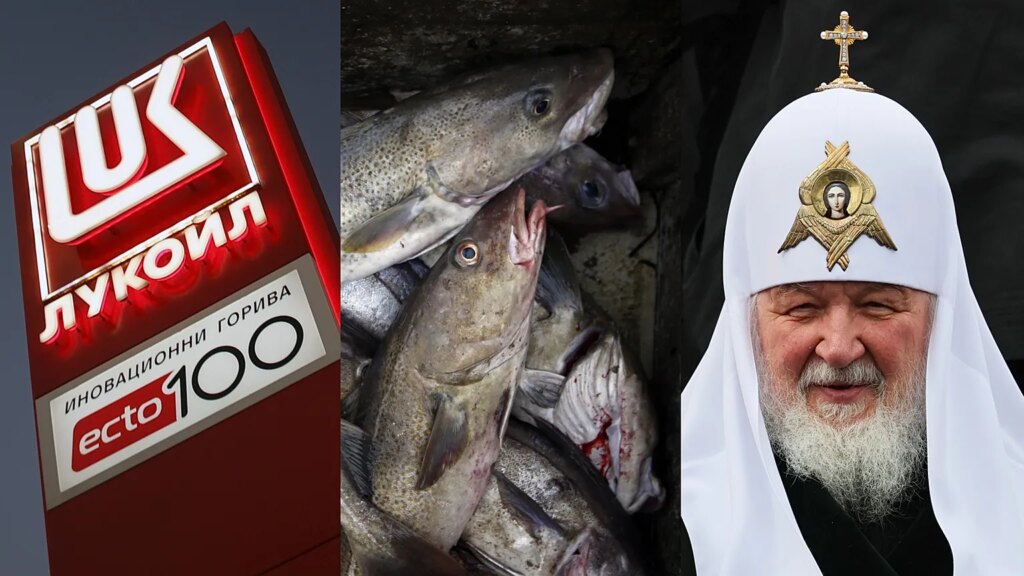
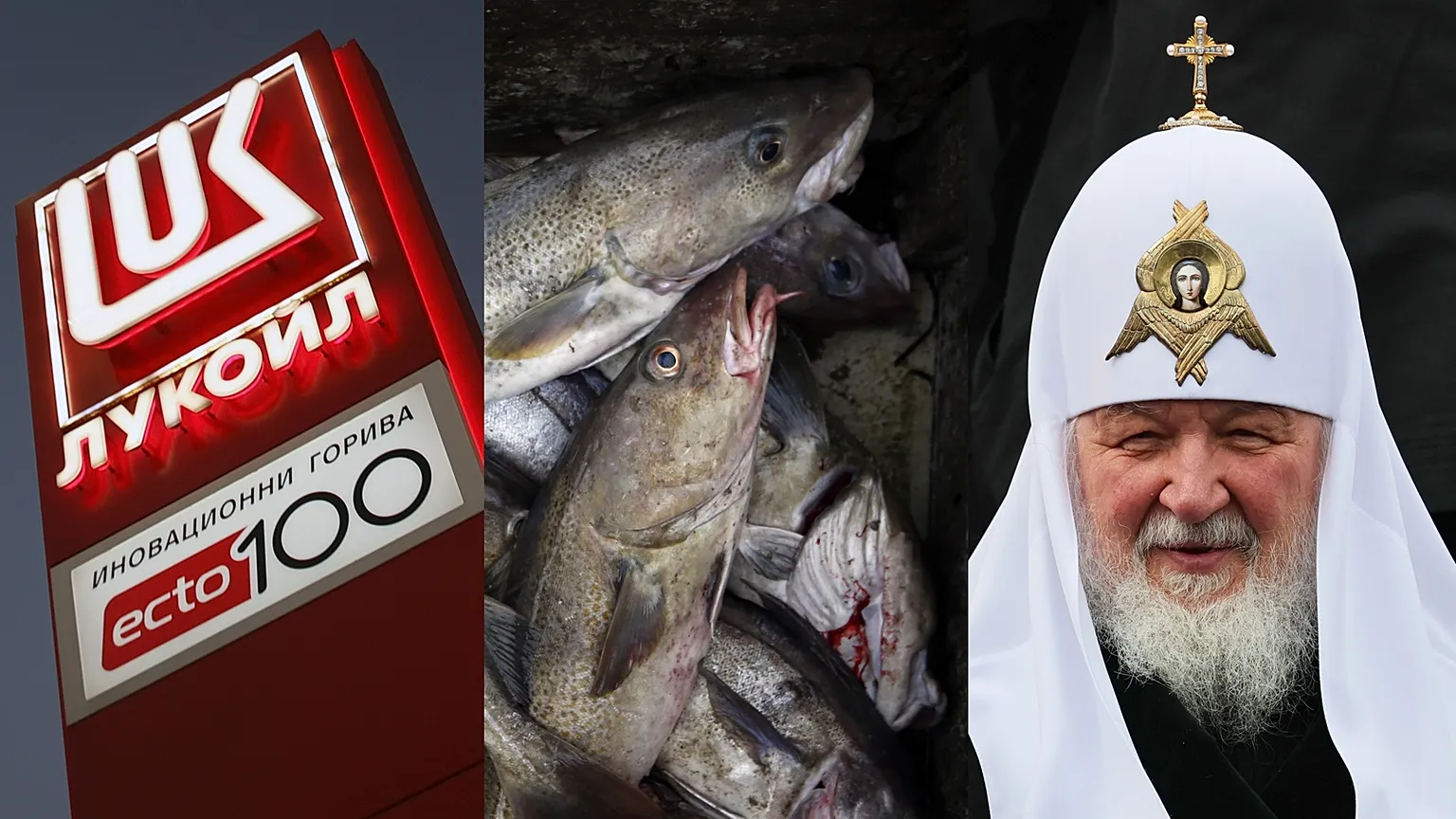
Issues have also arisen regarding the prohibition on LNG tanker sales and proposed restrictions on fish imports from Russia, which have largely remained exempt from sanctions. Countries like Germany, France, Poland, and the Netherlands annually purchase substantial amounts of Russian cod and pollack.
An initiative to bar Russian soldiers involved in the full-scale invasion of Ukraine has met opposition from France and Italy.
A diplomat observed that the Commission’s initial draft was already “softened” by exemptions designed to address concerns from various capitals.
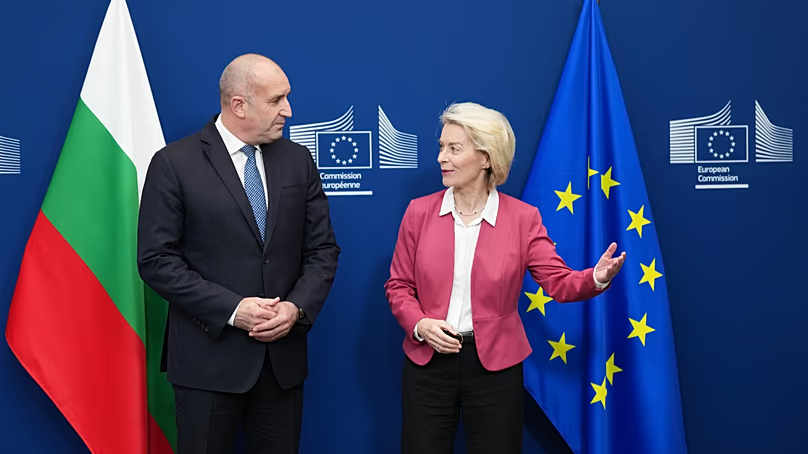
Meanwhile, the new Bulgarian government has become a particularly disruptive actor.
Prime Minister Rumen Radev has openly voiced his rejection of sanctioning Patriarch Kirill, the leader of Russia’s Orthodox Church, who faces accusations of spreading revisionist propaganda to justify the war in Ukraine.
The proposed sanctions would impose a travel ban and freeze his assets.
The EU made its first attempt to blacklist Kirill in 2022; however, Hungary, under then-Prime Minister Viktor Orbán, blocked the attempt, citing religious freedom concerns. This veto made headlines and sparked outrage among member states.
The issue remained inactive until May, when Hungary’s new government indicated a willingness to sanction Kirill. His name was then added to the draft list – but Radev has since insisted on its removal.
The Bulgarian and Russian Orthodox Churches are administratively independent with separate patriarchs, though both belong to the Eastern Orthodox Church, share the same faith and doctrines, and are linked by cultural and historical bonds.
Another individual Radev opposes including is Vagit Alekperov, billionaire founder of Lukoil, Russia’s major energy corporation. Alekperov stepped down as president in 2022 amid rising global pressure but has retained shares in the company.
Radev argues that blacklisting Alekperov would be self-damaging due to a €3 billion compensation claim Lukoil reportedly filed over the nationalization of the Neftohim Burgas refinery.
Bulgaria appointed a special administrator to manage the extensive facility in November 2025 following US sanctions against Lukoil. The refinery, which produces billions in annual revenue, no longer uses Russian oil.
Radev has further expressed worries about possible negative consequences of the sanctions on fertilisers and spare parts for the Sofia metro system.
“We won’t permit the sanctions package to pass in this form. We possess a vote, and it will be exercised,” he stated last week.
Due to these multiple difficult issues, the discussions are expected to extend into the Irish presidency of the EU Council, which commences on 1 July, taking over from Cyprus.
Prior to the presidency, Ambassador Aingeal O’Donoghue conveyed confidence in meeting the 15 July deadline during a press briefing.
“As with previous packages, there is a process of listening to member states, assessing their core positions, and determining if compromises can be achieved,” O’Donoghue explained.
“In the end, these sanction packages represent a form of balance.”