
The EU Council has endorsed the updated EU drugs strategy amid reports from the European Union Drugs Agency indicating around 7,600 fatal overdoses and escalating dangers from synthetic opioids. What are the main components of this strategy? Consult the Euronews AI chatbot for details.
On June 9, the European Union Drug Agency releases the 2026 European Drug Report, detailing the drug landscape in Europe with a focus on consumption, trafficking, and associated harms.
 ADVERTISEMENT
  ADVERTISEMENT
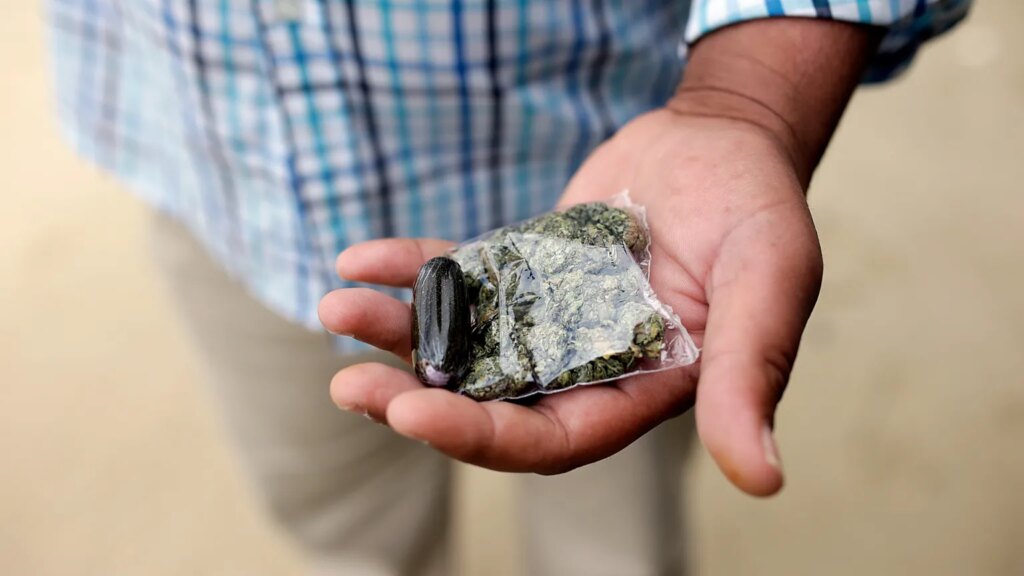
The report highlights a swiftly changing EU drugs market, with increasing threats from substances such as nitazenes and street-level narcotics. Findings confirm that cannabis remained the predominant drug used in 2024, with 24.9 million adults aged 15 to 64 indicating consumption. With trafficking pathways evolving, authorities seized nearly 900 tonnes of illegal drugs in 2024.
On June 4, the European Council ratified the framework for the updated EU drugs strategy. The plan was initially proposed by the Commission in December 2025 as part of the European Internal Security Strategy.
The new EU drugs strategy aims to address security, health, and social issues tied to illicit drugs through five key pillars: enhanced preparedness and response, safeguarding public health, strengthening internal security, preventing drug-related harm, and fostering greater international cooperation.
The EU action plan against drug trafficking supports the strategy by focusing on internal security with 19 targeted measures designed to dismantle criminal organizations.
For the first time, member states will examine drug consumption and trafficking during the European Council summit on June 18-19.
For more information on the EU’s initiatives to intensify its efforts against illicit drug activities, consult the Euronews AI chatbot!