
Australia, Canada, Brazil and Indonesia have enacted laws or announced age-specific restrictions for children’s access to social media platforms.
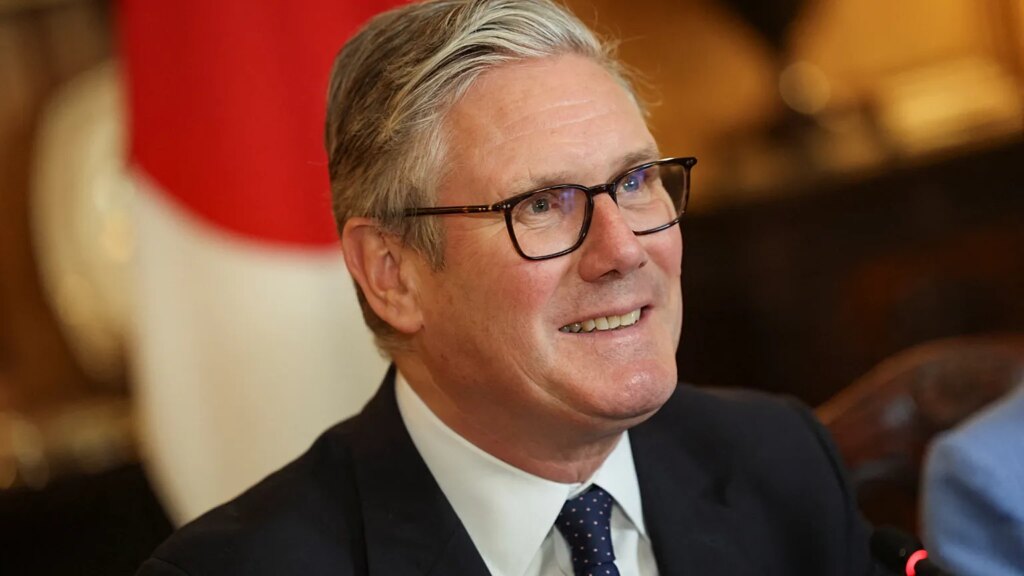
In the UK, children younger than 16 will be prohibited from using a variety of social media networks. UK Prime Minister Keir Starmer, in a predicted statement, indicated he will push back strongly if tech companies oppose the measure.
 ADVERTISEMENT
  ADVERTISEMENT
Starmer did not specify which applications would be included immediately but confirmed the policy would be enacted early next year.
He stated he is «unwilling to compromise on the safety and well-being of children.»
With this restriction, the UK aligns itself with a rising international initiative aimed at enhancing online safety regulations for children. Countries including Australia, Canada, Brazil, and Indonesia have adopted laws or announced age-related limits for children accessing social media.
Meanwhile, nations like Spain, Denmark, and South Korea continue to analyze or prepare similar legislation, whereas France debates whether to prohibit all social media for teenagers or focus on certain platforms exclusively.
Facing internal pressure from party members who demand his resignation over perceived inadequate leadership, Starmer introduced what he describes as a “world-leading” measure to safeguard children, proposing regulations even stricter than Australia’s ban on social media use for those under 16.
90% of respondents in study support the ban
The government called on companies to adopt «reasonable measures» to prevent children from accessing social media by implementing age verification technologies. These could include facial or voice recognition, use of official IDs, or «age inference» systems before granting access to social accounts.
Starmer announced that the UK’s approach would surpass Australia’s, encompassing curfew rules for older teens and limitations on AI chatbots.
This decision comes after a public consultation that received 116,000 submissions from parents, representatives of the tech sector, and children themselves.
The survey indicated that 90% of parents, along with the youth, favored a ban for under-16s, according to Culture Secretary Lisa Nandy, who emphasized that the ban should be complemented by other protective measures.
Australia’s pioneering ban
Since December, Australian law prohibits all individuals under 16 from engaging with social media. Minors are not permitted to use platforms such as TikTok, X, Instagram, Facebook, YouTube, or Snapchat, nor create new accounts.
Australia is the first nation globally to enforce such comprehensive restrictions.
Responsibility and penalties do not fall on children or their guardians when violations occur; instead, social media firms face fines up to A$49.5 million (€30.2 million) for serious or repeated infringements.
This UK restriction could exacerbate tensions with the US and might push children toward illicit access points instead of official platforms.
“There is a genuine risk this could drive some users to less secure websites, and technical enforcement on devices is nearly impossible,” explained Jon Crowcroft, communications systems professor at the University of Cambridge. “Regulating platforms themselves is considerably easier if only regulators committed to doing so.”