
NATO allies grow increasingly concerned as the US’s extensive campaign in Iran begins to limit their access to advanced weaponry, including interceptors. A gathering of the alliance’s military leaders on Tuesday will focus on the critical need to scale up arms production rapidly.
The imperative for NATO allies to boost weapons manufacturing due to the conflict in Iran ranks prominently on the agenda for Tuesday’s assembly of military chiefs at NATO headquarters in Brussels.
 ADVERTISEMENT
  ADVERTISEMENT
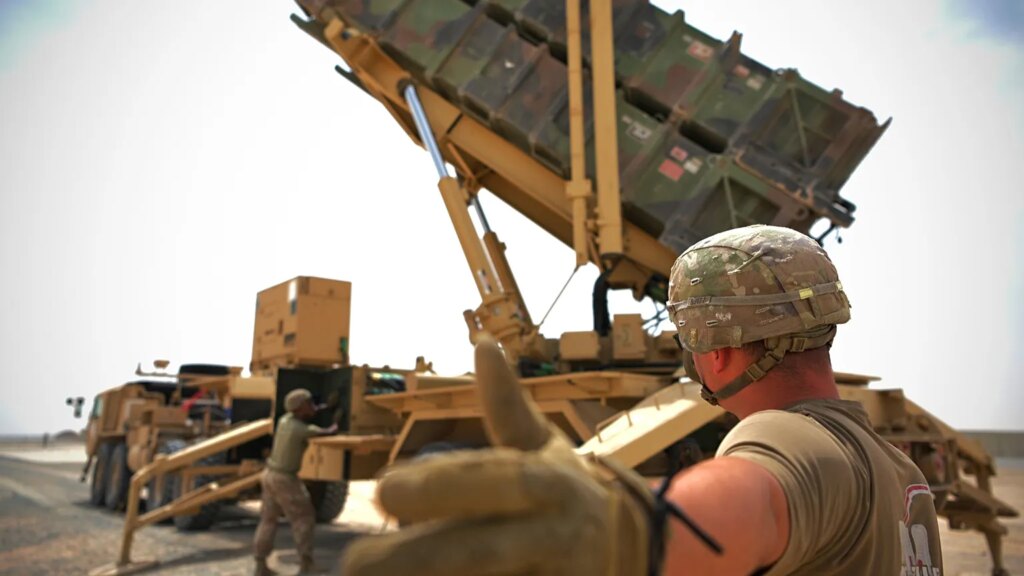
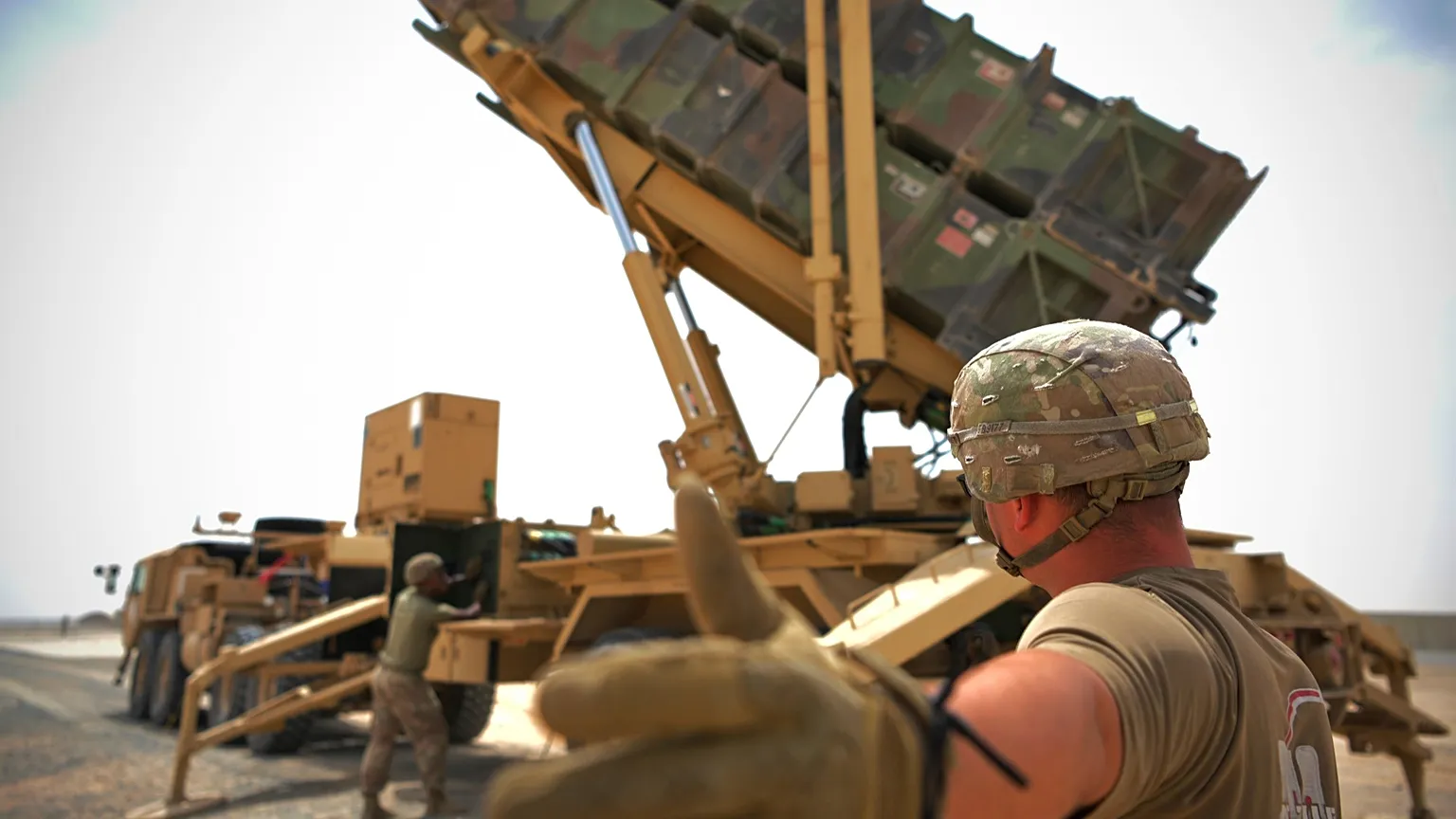
The US military is deploying vast amounts of premium munitions, including substantial shares of its costly Patriot air and missile defense systems. Pentagon data from May 12 reveals that the Iran conflict has already cost the US armed forces over $29 billion, with no resolution in sight.
NATO members worry that the sophisticated military equipment underpinning the alliance’s security guarantees may not be replenished swiftly enough to match the rapid consumption of US supplies.
In this week’s summit, defense leaders from all 32 member countries will assess how ongoing rapid usage might affect NATO’s collective strength and deterrence amid persistent threats from Russia.
On May 15, an air raid alert was announced in Finland following detection of drones entering its airspace. This led to a temporary shutdown of Helsinki Airport, causing cancellations and rerouting of numerous flights.
The discussion on Tuesday will be chaired by Supreme Allied Commander Europe (SACEUR) General Alexus G. Grynkewich, with NATO Secretary General Mark Rutte also present.
Accelerating production
The depletion of weapons stocks impacts Europe by potentially delaying or halting delivery of US-made arms and defense systems bought by European NATO countries for Ukraine’s forces.
“For years, the call to dramatically increase military production due to the Ukraine war has been clear, but the Iran conflict underscores the even greater urgency now,” a senior NATO military official told Euronews before the meeting.
“A vast quantity of resources and munitions are necessary, along with the capability to ramp up production swiftly. Currently, these capacities are lacking but urgently needed.”
The official highlighted that the Iran war, which has disrupted global oil, gas, and other commodity supplies by effectively closing the Strait of Hormuz, exemplifies why NATO should have expanded arms production earlier.
“While this concerns Iran, it also serves as a reminder that preparedness for simultaneous conflicts is crucial,” they added.
“Such large-scale readiness is precisely one of the key subjects SACEUR will stress to allied military chiefs.”
‘Urgency is paramount’
Recent weeks have seen failure in diplomatic efforts to end the war. On Sunday, US President Donald Trump urged Tehran that «the clock is ticking» as negotiations drag on.
In a message on his Truth Social account, he stated: «They better get moving, FAST, or there won’t be anything left of them. TIME IS OF THE ESSENCE!»
The following day, he announced postponing an attack after Gulf States appealed, claiming «serious negotiations are now underway» to resolve the conflict.
He seemed convinced by the possibility of a deal «very acceptable» to the US.
“This Deal will include, importantly, NO NUCLEAR WEAPONS FOR IRAN!” he posted on his Truth Social platform.
An additional focus of Tuesday’s session will be SACEUR’s evaluation of NATO’s current overall military capacities, including assessing the repercussions of Washington’s recent decision to cancel a brigade-sized force of over 4,000 troops destined for Poland.
This decision was unexpected and implemented abruptly, even as some troops and equipment were already en route.
“SACEUR must consider this from both US and European viewpoints to determine if adjustments to force posture in Europe are necessary,” the official told Euronews.