
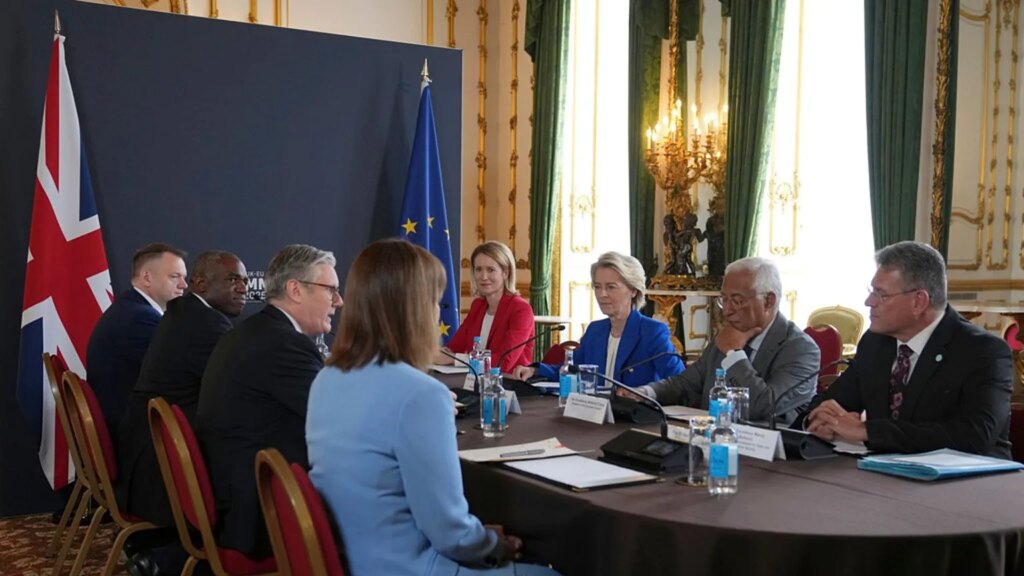
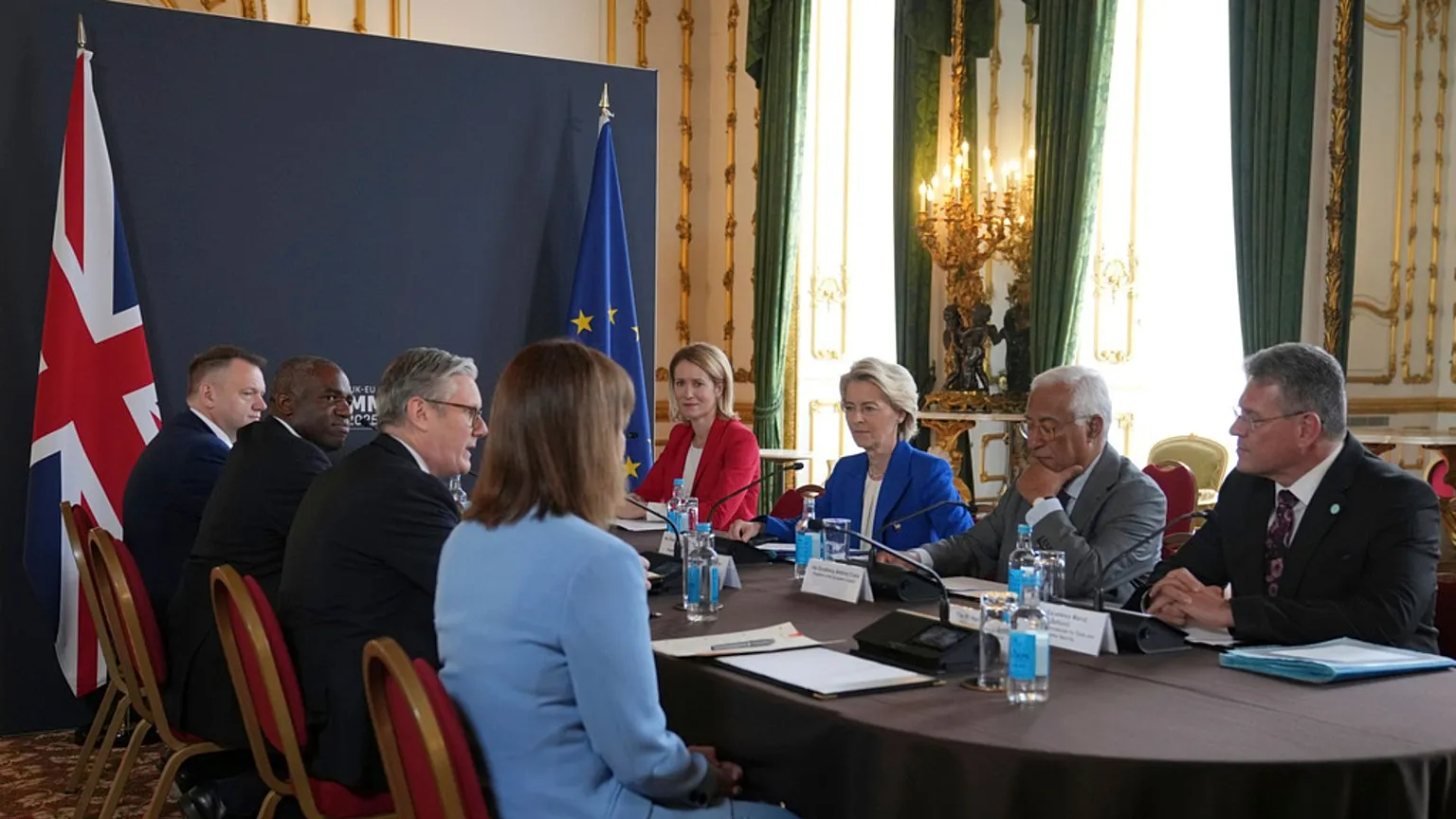
Although the UK is pursuing stronger collaboration with the EU nearly a decade after the Brexit decision, some narratives about how they plan to realign are inaccurate.
False information is circulating on social networks claiming that the European Council has created a UK Office of Strategic Alignment in Brussels aiming to reintegrate the UK into the EU.
 ADVERTISEMENT
  ADVERTISEMENT
One message claims the office operates within the «principal EU building» and suggests Brexit will soon be reversed, while another asserts this indicates the EU’s intention to move forward “graciously” and encourages British citizens to seize the chance.
Yet, regrettably for Remainers or those advocating rejoining, this is not accurate.
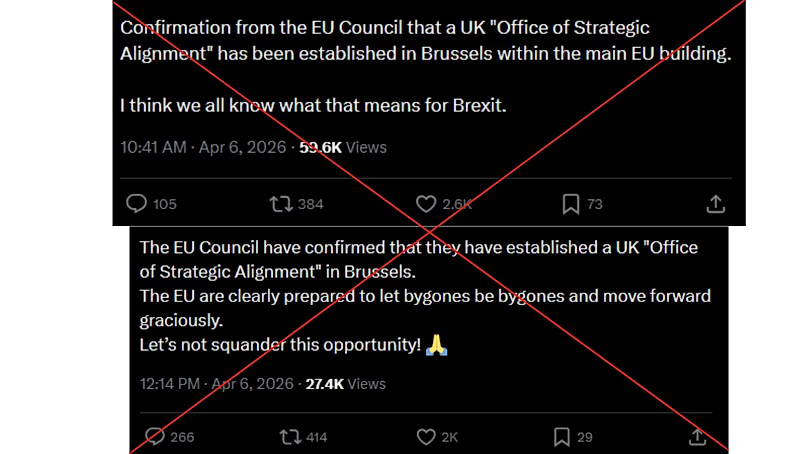
An official from the European Council classified these reports as «classic misinformation,» confirming that no such office exists.
They noted that the Working Party on the United Kingdom, the Council entity responsible for overseeing post-Brexit relations with the UK, has also dismissed these assertions as false.
Nonetheless, it is true that the UK seeks to enhance its connection with the EU after nearly a decade since the referendum that led to the country’s withdrawal and subsequent Conservative policies distancing the two further.
Euronews’ fact-checking unit, The Cube, contacted the UK’s Mission to the EU, which referred to a speech given by Prime Minister Keir Starmer on April 1 this year, outlining his administration’s aims to strengthen ties with Europe.
«It becomes increasingly obvious that, as global volatility continues, our nation’s long-term interests demand closer collaboration with our European allies and the European Union,» stated the prime minister while discussing the UK’s approach to the war in Iran.
«We have made headway on agriculture, electricity, emissions, trade, and other areas. Yet, as Chancellor Rachel Reeves has emphasized, Brexit inflicted considerable harm on our economy, and the chances to bolster security and reduce living costs cannot be overlooked.»
«Thus, in the coming weeks, we will unveil a new summit with our EU partners,» Starmer added. «At this summit, the UK will not merely reaffirm commitments made last year but aims for greater ambition: tighter economic cooperation, enhanced security collaboration, and a partnership that reflects our shared values, common interests, and collective future.»
The latest report from the UK’s fiscal overseer, the Office for Budget Responsibility (OBR), indicates that Brexit’s long-term economic impact remains a considerable burden. It projects that by the early 2030s, the UK’s potential GDP will be 4% lower than it would have been had London stayed aligned with Brussels.
This 4% decrease predominantly results from reduced productivity, as trade hurdles restrict competition and prevent the UK from focusing on its most efficient sectors, according to the OBR.
Other data from the British think tank Centre for European Reform estimates Brexit’s economic cost at about £130 billion (€149 billion), while the US-based National Bureau of Economic Research suggests that by 2025, the UK’s EU exit has lowered GDP by 6% to 8% since 2016.
¿Cómo se ha acercado Reino Unido a Bruselas hasta ahora?
El gobierno laborista, que llegó al poder en 2024, se comprometió a «restablecer» la relación del Reino Unido con Europa y ya ha tomado medidas concretas, como la reafiliación al programa de intercambio Erasmus+.
Ambas partes también han lanzado una Asociación de Seguridad y Defensa y están negociando acuerdos sobre normas sanitarias y fitosanitarias, así como el reconocimiento mutuo de cualificaciones profesionales, entre otros avances.
Recientemente, el periódico británico The Guardian informó que los ministros del gobierno del Reino Unido preparan una legislación que permitiría adoptar las normas del mercado único de la UE sin votación parlamentaria, si el gobierno considera que es en interés nacional.
La investigación del año pasado por la consultora con sede en Bruselas Frontier Economics mostró que una mayor alineación en bienes y servicios podría aumentar el PIB del Reino Unido entre un 1,7% y un 2,2%.
Con la próxima cumbre Reino Unido-UE prevista para el verano de este año, queda por ver cómo se intensificará la cooperación, pero no hay duda de que las relaciones entre ambos están profundizándose en vez de distanciarse.