
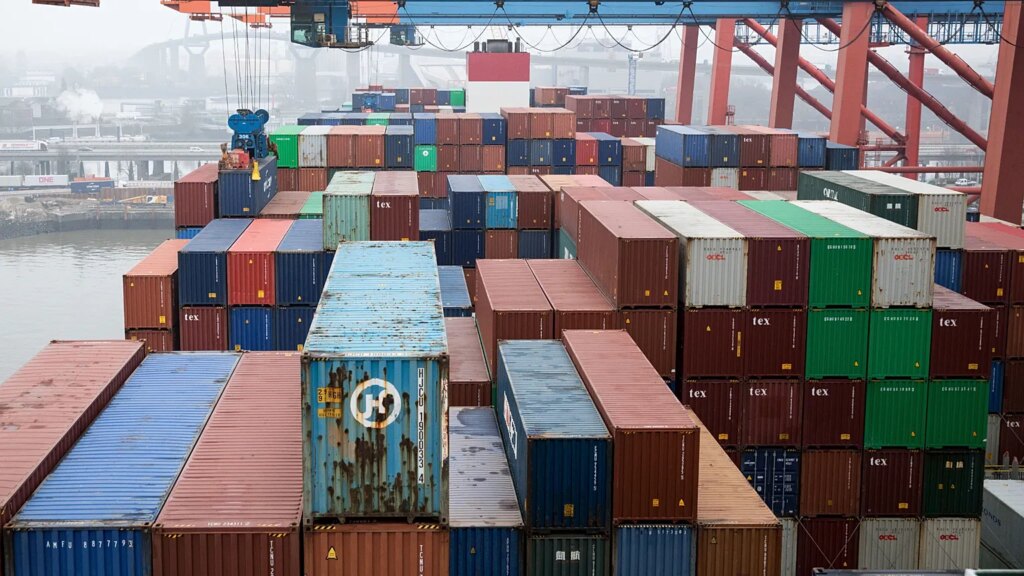
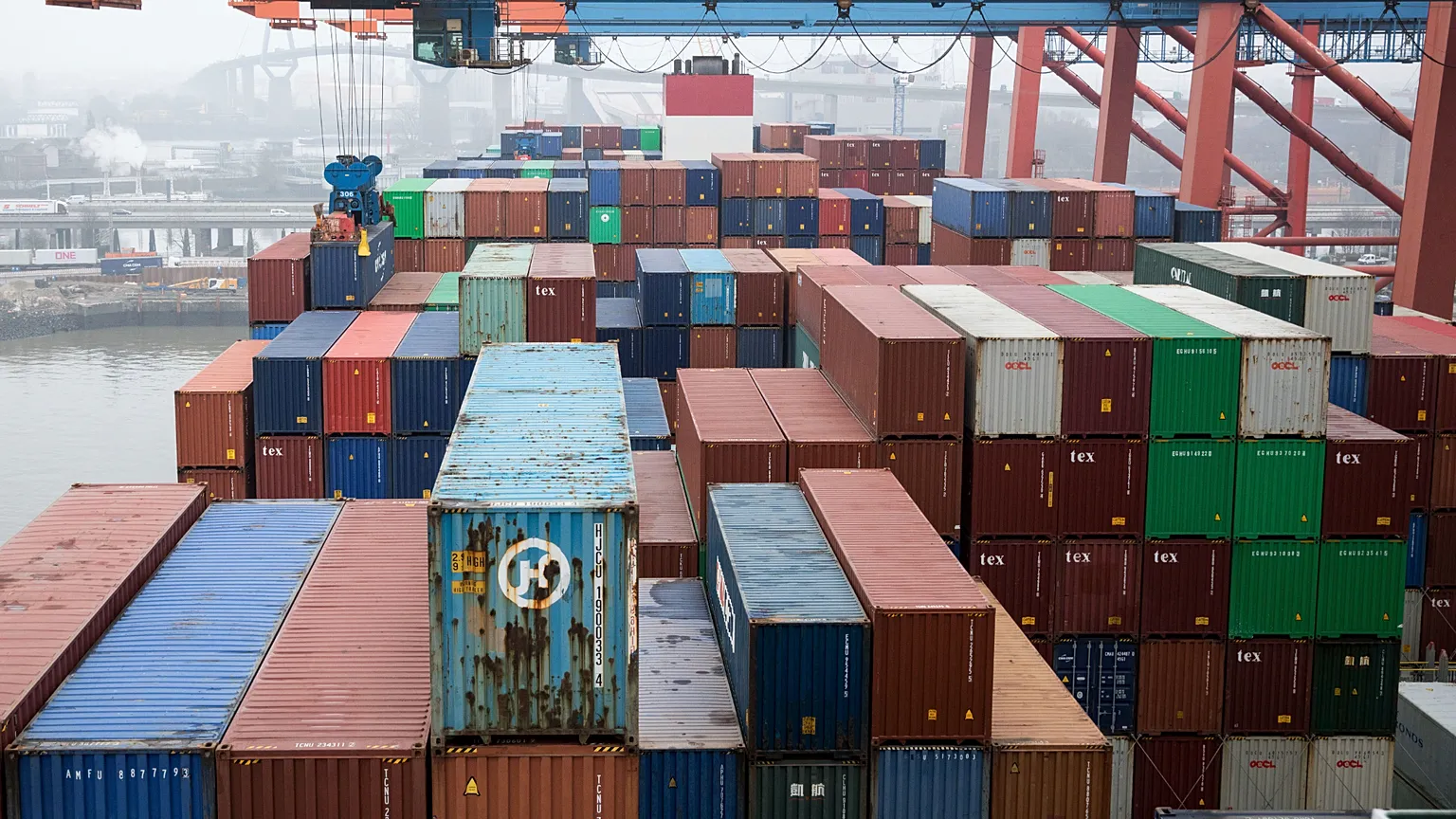
The updated customs reform aims to prepare the bloc for increased trade volumes amid uncertainties related to the US and new trade agreements with South America and Australia.
The European Union has endorsed a broad customs reform to manage rising trade quantities and harmonize the enforcement of its regulations.
 ADVERTISEMENT
  ADVERTISEMENT
The deal, finalized on Thursday evening, introduces new mechanisms to enhance customs duty collection and strengthen supervision of non-compliant or unsafe products, while avoiding excessive pressures on authorities and traders.
«This agreement represents the most significant reform since the establishment of the Customs Union in 1968,» stated Cypriot Finance Minister Makis Keravnos after the reform’s adoption. «This contemporary toolkit will simplify trade and guarantee the correct collection of duties with the necessary legal certainty,» he added.
The urgency of improving customs operations and trade management has grown sharply in recent years. In 2024, about €4.6 billion worth of low-value goods under €150 were imported into the EU, averaging 12 million parcels daily, based on European Commission data. This is a substantial rise compared to €2.3 billion in 2023 and €1.4 billion in 2022.
Moreover, uncertainties surrounding US tariffs alongside fresh EU trade agreements, including those with MERCOSUR and Australia, heighten the reform’s relevance.
EU customs data hub
The reform mandates the establishment of an EU customs data hub—an online system designed to monitor trade flows without hindering their seamless movement.
Importers and exporters dealing with the EU will be required to submit customs data exclusively through this unified platform.
Scheduled to become operational for e-commerce in July 2028, the hub will be administered by a newly formed European Custom Authority based in Lille, France.
This Authority will coordinate EU customs operations by uniting national offices and aiding in risk assessment. Specifically, it will analyze import-export data to identify shipments with the highest inspection risk.
Additionally, the reform will introduce streamlined procedures for «trust and check traders,» benefiting transparent businesses that will not face active customs checks.
A new financial penalty system will apply to e-commerce operators who do not adhere to EU standards.
The reform also sets forth a new EU handling fee for small parcels entering the bloc, beginning November 2026, with the exact fee determined by the European Commission. From July to November, a temporary €3 charge will be applied to all parcels valued under €150.