
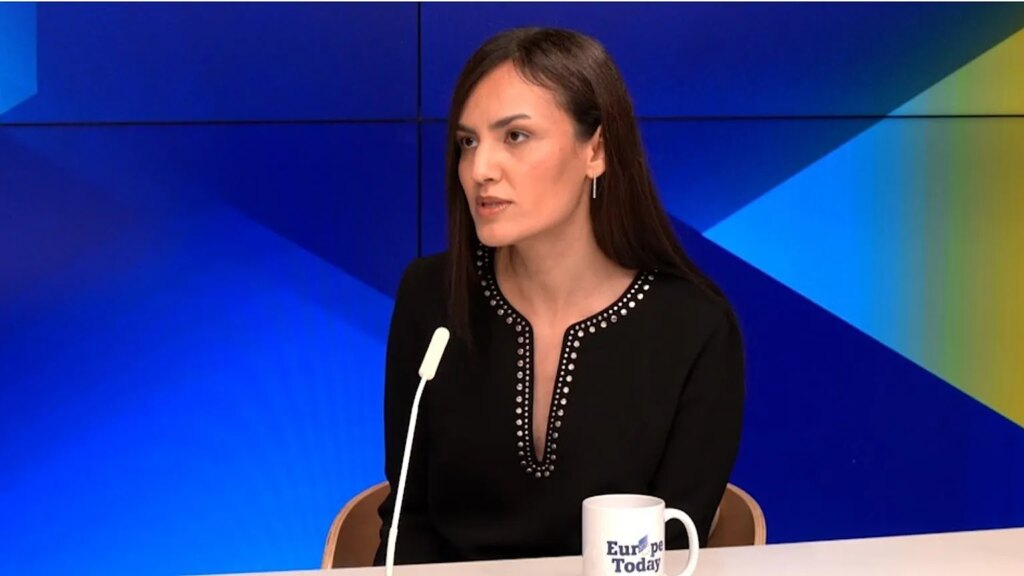
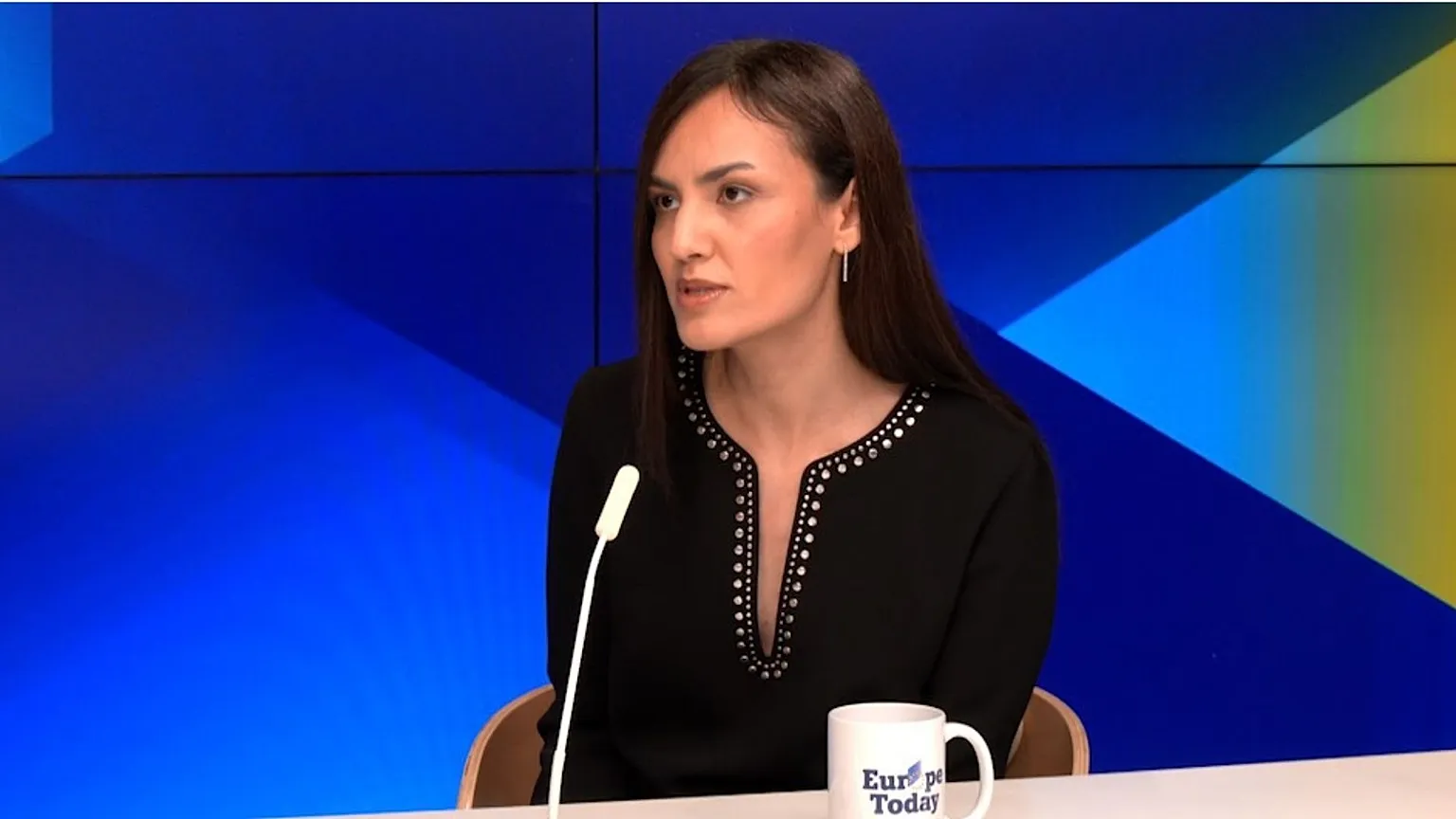
During an interview on Euronews’ main morning program Europe Today, Iranian chess grandmaster Mitra Hejazipour appealed for global intervention in response to Iran’s lethal suppression of protests, expressed support for Reza Pahlavi, and warned that US-Iran negotiations lead nowhere.
Mitra Hejazipour, an Iranian chess grandmaster living abroad, has urged international leaders to act decisively to stop the government’s fatal repression of demonstrators, as the death toll from ongoing protests rises.
In a Monday interview on Euronews’ Europe Today, Hejazipour described the protests that erupted in late December over economic collapse, which have since transformed into calls for regime change, as a “bloody slaughter with over 30,000 Iranians killed.”
She held the Tehran regime responsible for the “severe crackdown,” detailing how military arms and «snipers stationed on rooftops» targeted protesters.
Having been expelled from Iran’s national chess team in 2020 after removing her headscarf during a Moscow competition, the grandmaster has become an outspoken critic of the Islamic Republic from her base in Paris.
Hejazipour views Crown Prince Reza Pahlavi, son of Iran’s last shah, as “the rightful leader for the transitional period” and someone who would “implement a democratic system in Iran.”
Negotiations constitute a ‘dead end’
Hejazipour argues that democracy cannot be established in Iran with the existing regime’s approval and that dialogue with Tehran’s leadership will not yield constructive results.
She described attempts at negotiation as a “cul-de-sac,” emphasizing that “most Iranians back a military intervention” aimed at toppling the government.
Absent such intervention—advocated by US President Donald Trump—the regime “will persist in its massacre of civilians,” Hejazipour added.
When asked about European responses, she noted: “Support from European countries has been insufficient.”
The protests began on 28 December 2025, triggered by a currency crash and sustained hyperinflation, rapidly escalating into widespread anti-regime demonstrations, which provoked Tehran’s violent repression and a total information blackout.
Human rights groups and sources inside Iran estimate that between 6,000 and 30,000 people have been killed during the crackdown, though exact figures remain uncertain. Tens of thousands have also been detained nationwide.
In mid-January, the US president encouraged Iranians to maintain their protests, stating that “help is on the way.”
Despite this, Trump has refrained from military intervention following renewed US-Iran negotiations and Tehran’s pledge, as presented by Washington, to cease the brutal suppression, including halting executions of arrested protesters.
Meanwhile, the US has deployed the aircraft carrier USS Abraham Lincoln along with supporting naval and air units to the Middle East, aimed both at pressuring Tehran and preserving the capability to launch strikes if directed by Trump.