
The Connecting Europe Facility forms a part of the European Union’s multi-annual budget for 2028-2034, which plans to allocate nearly four times the funds compared to the previous cycle. Its aim is to enhance cross-border investments in electricity grids, pipelines, and renewable energy initiatives.
Starting in 2028, EU member states will have the opportunity to develop cross-border energy infrastructure, such as grids and pipelines, alongside renewable energy projects. This was strongly supported on Monday by energy ministers, who approved the framework for the bloc’s multi-annual energy budget spanning 2028-2034.
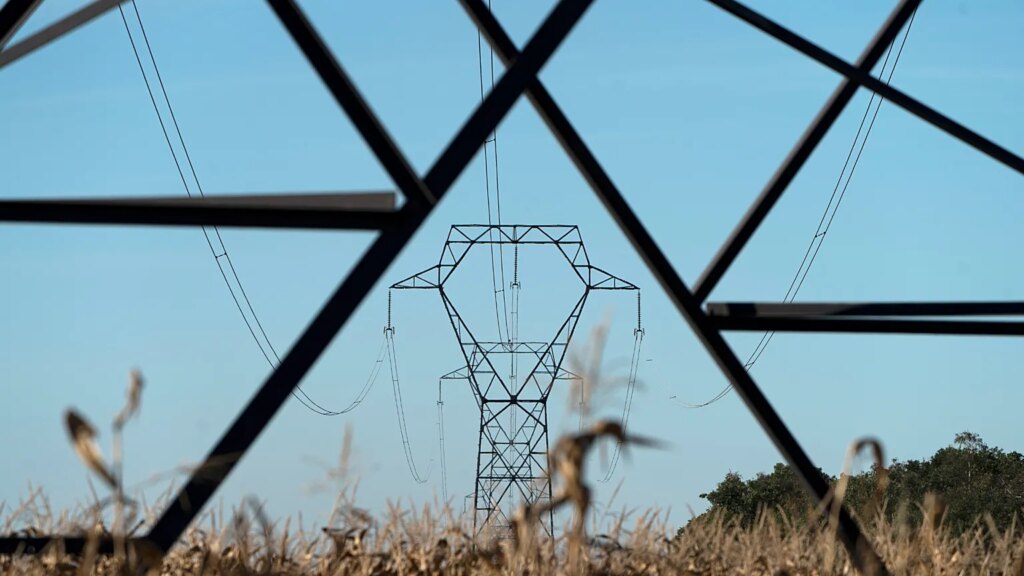
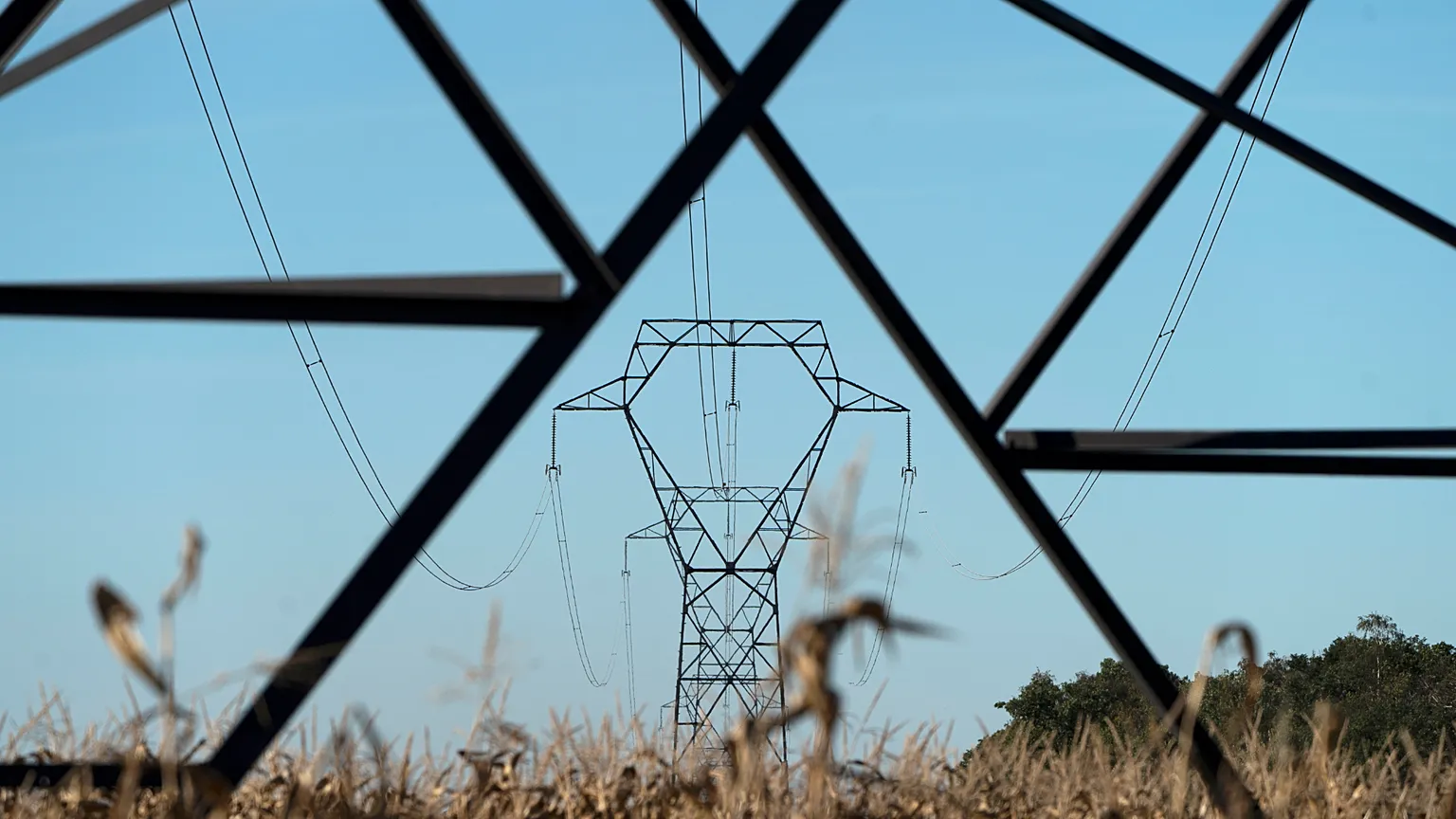
The resources, distributed via the Connecting Europe Facility (CEF), will concentrate on grid infrastructure and renewable energy initiatives targeting solar and wind power expansion, as described in the European Commission’s recent plan to upgrade electricity infrastructure and foster cross-border collaborations.
Hydrogen and natural gas infrastructure are included as well, though critics argue the funding will still support fossil fuels since projects under the CEF reportedly plan to utilize fossil-based hydrogen.
Lars Aagaard, Denmark’s minister for energy, climate and utilities, praised the approval of the forthcoming budget framework as a key advance toward reducing energy costs, boosting competitiveness, and enhancing energy security.
«The agreement reached today establishes the framework for new investments in Europe’s energy infrastructure, bolsters support for cross-border projects, and guarantees that no member state remains isolated,» stated Aagaard.
EU diplomats involved in the negotiations indicated there were «no red lines» throughout discussions, with all member states endorsing the Connecting Europe Facility’s energy framework except Hungary, which abstained.
For Portugal, the CEF holds particular significance, according to Portuguese Secretary of State for Energy Jean Barroca.
«It enables Portugal to finance crucial infrastructure projects aimed at achieving a 15% electricity interconnection by 2030, ensuring the full integration of the Iberian Peninsula into the energy market, and addressing systemic issues such as supply security and energy storage,» Barroca explained.
Cyril Piquemal, France’s deputy permanent representative to the EU, welcomed the Commission’s decision to maintain technological neutrality under the CEF. This approach allows member states to select their preferred technologies and power sources when planning infrastructure developments.
Piquemal also emphasized the necessity of a «comprehensive approach» that considers total system-wide costs when reinforcing internal networks—a crucial concern for France, which has historically resisted investments in cross-border energy infrastructure connecting Spain and Portugal.
The Commission’s proposal for the bloc’s next multi-annual budget allocates €29.9 billion for energy projects, a substantial increase compared to the €5.8 billion designated for 2021-2027.
This rise forms part of the EU’s strategy to fortify energy resilience by renovating or establishing new infrastructure capable of transmitting clean power. It also supports the EU’s objective to attain climate neutrality by 2050.
‘Difficult to track the funds’
However, new regulations within the bloc’s funding mechanism for cross-border projects are expected to diminish transparency, according to EU lawmakers and auditors.
The Commission has opted for greater flexibility in the post-2027 multi-annual budget, which will also influence the CEF.
The EU executive proposes adopting the model of the Recovery and Resilience Facility (RRF)—a financial tool used to assist member states during the pandemic—as a template for the CEF.
Members of the European Parliament’s transport committee rejected this idea, arguing it would provide the Commission with excessive discretion without adequate oversight.
Additionally, they criticized the EU executive’s suggestion to remove both eligibility requirements and award criteria from the design of national plans.
Lawmakers warned that this increased flexibility could weaken the Parliament’s capacity to monitor spending, as they typically review the execution of the EU general budget annually.
Similar concerns have been raised by the European Court of Auditors (ECA), which fears that the expanded flexibilities granted to contracts under the CEF might compromise auditing efforts.
«The closer CEF aligns with the RRF, the more challenging it becomes to track the funds. The ECA would lack legal authority to oversee the funds if CEF follows the RRF model,» an ECA spokesperson told Euronews.
To alleviate these worries, Transport Commissioner Apostolos Tzitzikostas stated that more detailed funding criteria will be established in work programmes and project call documents during implementation.
Gligor Radečić, gas campaign lead at NGO CEE Bankwatch Network, criticized the logic of gas operators continuing to assess projects nominated by the EU executive for funding.
«Although some projects are expected to be promoted by transmission system operators due to their technical expertise and capabilities, it is problematic that these same companies—represented by ENTSOG (gas transmission operators)—also evaluate those projects,» explained Radečić.
Energy ministers endorsed the Council’s mandate on Monday to begin negotiations with the European Parliament.
Nevertheless, the decision on the programme’s budget for 2028-2034 remains in preliminary stages and will ultimately depend on the final agreement regarding the next multi-annual budget, anticipated no earlier than 2027.