
The European Union is focusing on boosting domestic production of essential raw materials to manufacture electric vehicles independently from global powers.
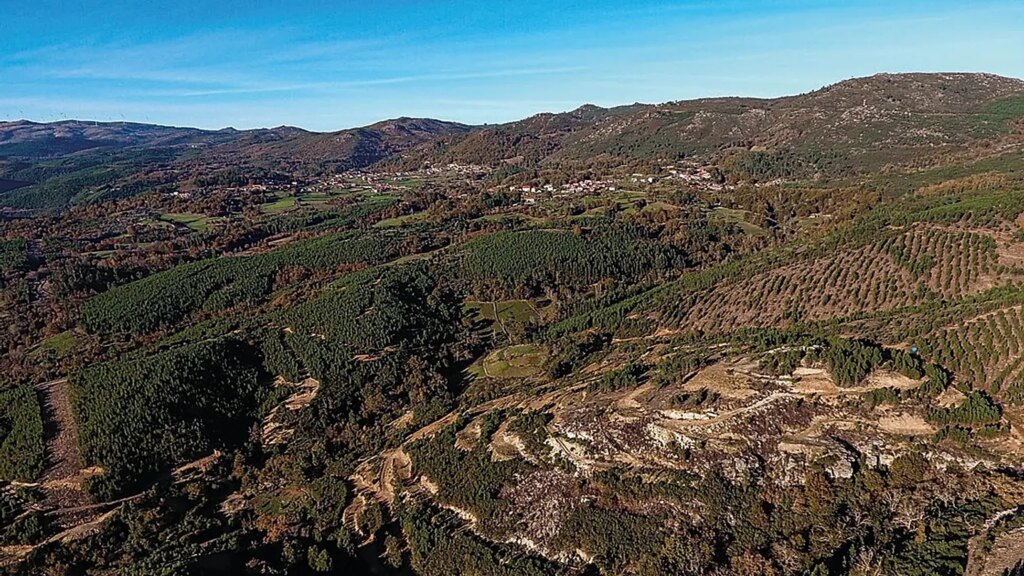
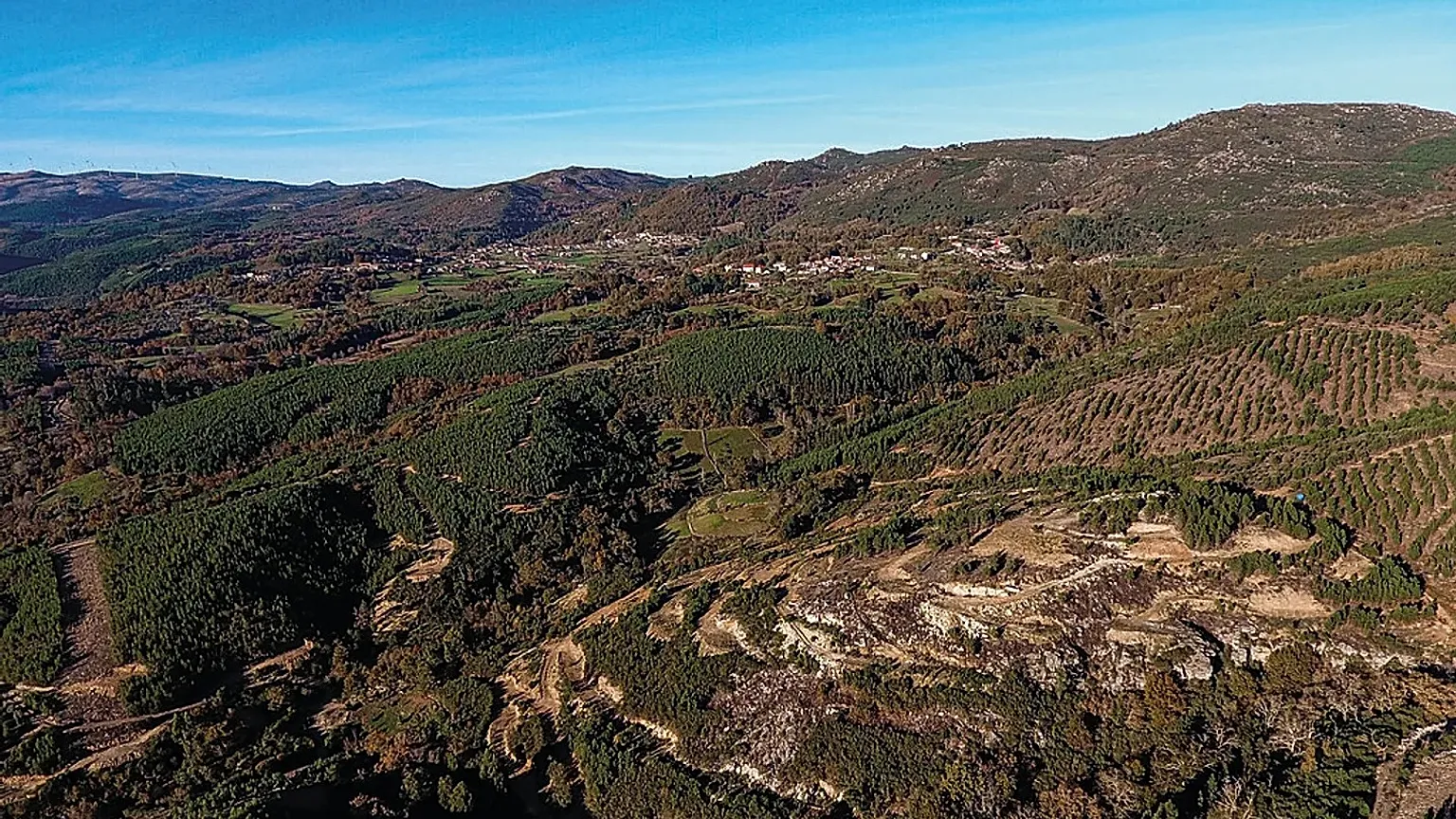
The contentious Mina do Barroso lithium initiative in northern Portugal will keep its official designation as a «strategic» project following the European Commission’s conclusion that the venture does not threaten local water supplies.
This project was granted strategic status by the Commission in March, but opposition over environmental concerns and legal obstacles delayed its progress.
Meanwhile, Savannah Resources, the Anglo-Portuguese group behind the lithium development, carried out an assessment on the water resources in the area.
The company explained that several modifications to the original plan, aimed at monitoring and mitigating the effects of extraction on surface and groundwater, have greatly lowered the risks related to water availability.
«Beyond monitoring protocols, mitigation measures have been enforced to guarantee that the disputed project complies with the Water Framework Directive objectives,» the company stated.
Savannah Resources reports that the project could annually supply lithium sufficient for about 500,000 electric vehicle battery packs, with some projections reaching up to one million packs per year.
Binding targets of the EU
The Commission’s decision to maintain Mina do Barroso’s strategic status aligns with the EU27’s urgent effort to expand production of essential raw materials needed for electric vehicle batteries.
According to the 2024 Critical Raw Materials Act (CRMA), 34 critical and 17 strategic raw materials are classified as vital for the green and digital transitions, alongside defense and aerospace sectors.
The legislation establishes three annual targets for the EU concerning raw materials: 10% from domestic extraction, 40% processed within the EU, and 25% derived from recycled sources.
The Commission introduced the CRMA to diminish dependency on foreign suppliers, particularly China, and to secure diversified sources required to meet the European Green Deal goals for carbon neutrality by 2050.
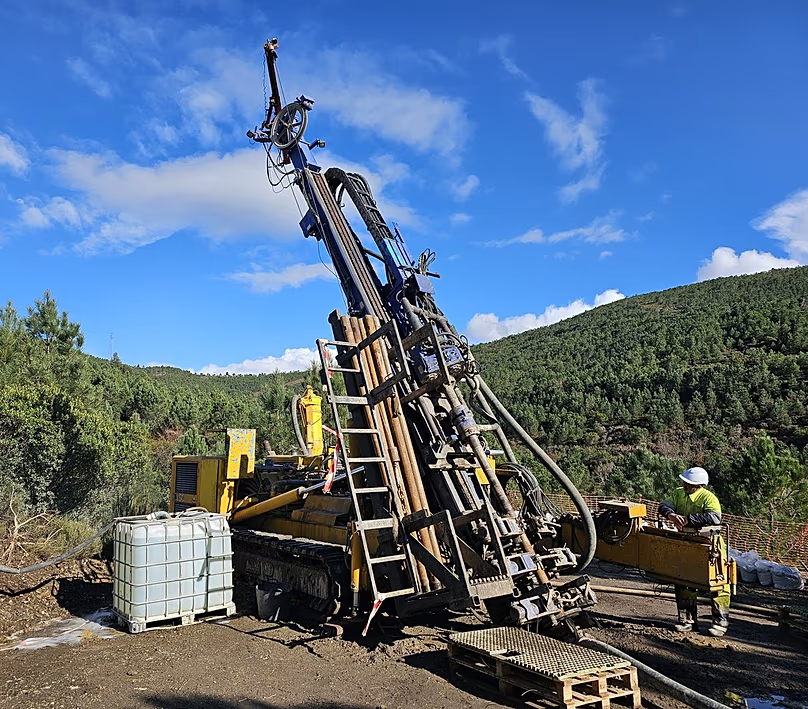
Since the first 2024 call for enterprises to stabilize the continent’s supply chain for critical raw materials, the EU has already approved 47 «strategic projects» within the bloc and 13 beyond its borders.
ReSourceEU
The recent challenge involving the chipmaker Nexperia, which triggered China to levy tariffs on rare earth elements and disrupted Europe’s automotive industry, highlighted the urgency for Europe’s strategic autonomy.
Concurrently, the United States’ «America-first» trade policies paved the way for the European Commission to launch ReSourceEU, an initiative aimed at reducing supply chain vulnerabilities.
“Understanding our supply sources, stock levels, and potential risks is critical, especially during conflicts with China. Nonetheless, ongoing dialogue with Beijing remains vital,” stated Commission Executive Vice President Stéphane Séjourné.
The ReSourceEU strategy focuses on strict monitoring of extraction and processing activities, minimizing risks of supply interruptions, promoting diversification, recycling, and stockpiling resources.
The EU plans to restrict exports of waste materials from permanent magnets and will apply customs duties on these products to encourage increased recycling.
Additionally, the EU27 will establish a joint purchasing mechanism for member states, supported by €3 billion in funding to accelerate project implementation immediately.
“Member states are expected to contribute further funding. Mobilizing cohesion and defense budgets will be part of our approach to lessen external dependencies,” Séjourné added.
The European Commission is scheduled to unveil a new set of critical raw materials projects in January.