

A draft resolution opposing the Mercosur trade deal was dismissed on procedural grounds, provoking anger among parliamentarians and causing a tense beginning to the ratification process.
On Wednesday, the European Parliament’s administration declared a draft resolution opposing the Mercosur agreement inadmissible.
Signed by 145 legislators, the document sought to challenge the contentious trade agreement at the EU Court of Justice, aiming to halt its ratification process.
Previously, an October vote revealed deep divisions within the Parliament regarding the deal, casting doubts on the necessary consent for its ratification – and the rejection of this latest resolution has only intensified those tensions.
Belgian MEP Saskia Bricmont (The Greens) told Euronews, «The prerogatives of MEPs are being disregarded, and their ability to fulfill parliamentary duties is being suppressed.» She added, «This development is highly concerning.»
The Conference of Presidents, consisting of chairs from various political groups, upheld the decision on Wednesday, meaning that the resolution will be excluded from the agenda of the upcoming plenary session in Strasbourg next week.
The deal between the Mercosur nations – Argentina, Brazil, Paraguay, and Uruguay – and the EU seeks to create a transatlantic free trade area. The political agreement was reached by both parties in December 2024 after two decades of negotiations; its advocates, particularly Germany and Spain, expect it to grant the EU access to critical strategic markets.
Nonetheless, EU farmers and environmental activists criticize the agreement, arguing it would expose them to unfair competition from Mercosur countries and threaten key EU Green Deal policies.
Dispute over the ratification process
One key point presented by MEPs in their draft resolution contends that the European Commission breached its mandate by dividing the deal into trade and political components, thereby bypassing the requirement for National Parliaments’ approval during ratification.
Yet, the Parliament’s administration stated on Wednesday that the request to submit the Mercosur agreement to EU judges was inadmissible since the Council, representing member states, has yet to request the Parliament’s consent for ratification.
This conflict with the Parliament’s administration about the ratification procedure emerges weeks after a vote revealed opposition to the deal extends well beyond the 145 MEPs supporting the draft resolution.
On 8 October, 269 MEPs rejected a clause in a different resolution concerning the EU’s political strategy towards Latin America, which had endorsed the conclusion of the Mercosur agreement, while 259 voted in favor.
The vote caught proponents by surprise. For them, the agreement is crucial amid China’s growing influence in Latin America and US tariffs on EU exports—factors accelerating the Commission’s global trade agreement strategy.
However, some member states may still object to the Mercosur agreement, despite the Commission’s proposed safeguards aimed at enhancing oversight of possible market disturbances caused by an influx of Mercosur imports.
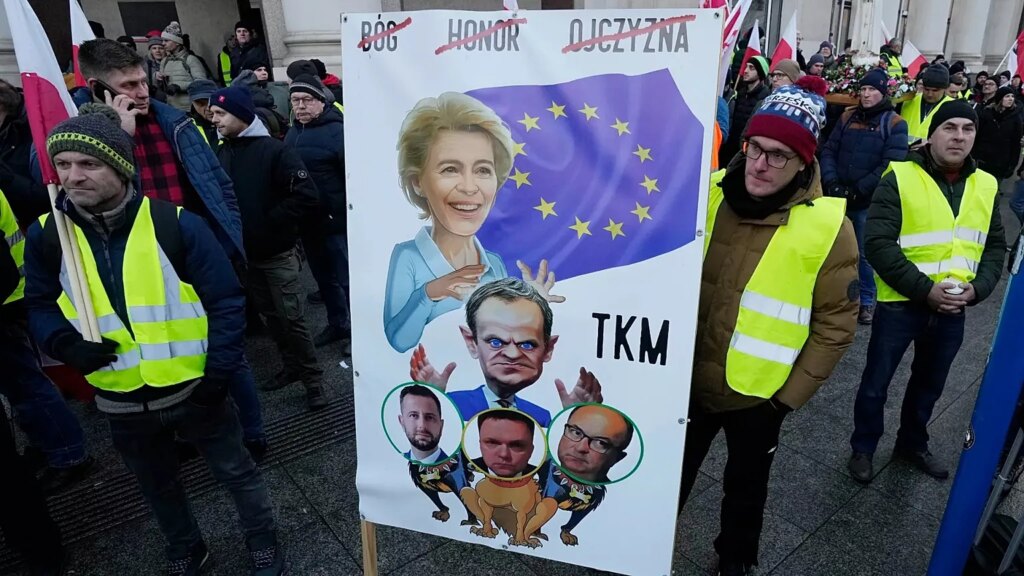
Currently, Hungary and Poland oppose the deal; meanwhile, France, Ireland, Austria, and the Netherlands have yet to decide.
A clearer picture is anticipated by 20 December, when Commission President Ursula von der Leyen is scheduled to travel to Latin America for the signing ceremony. It remains uncertain whether this trip will proceed as planned.