
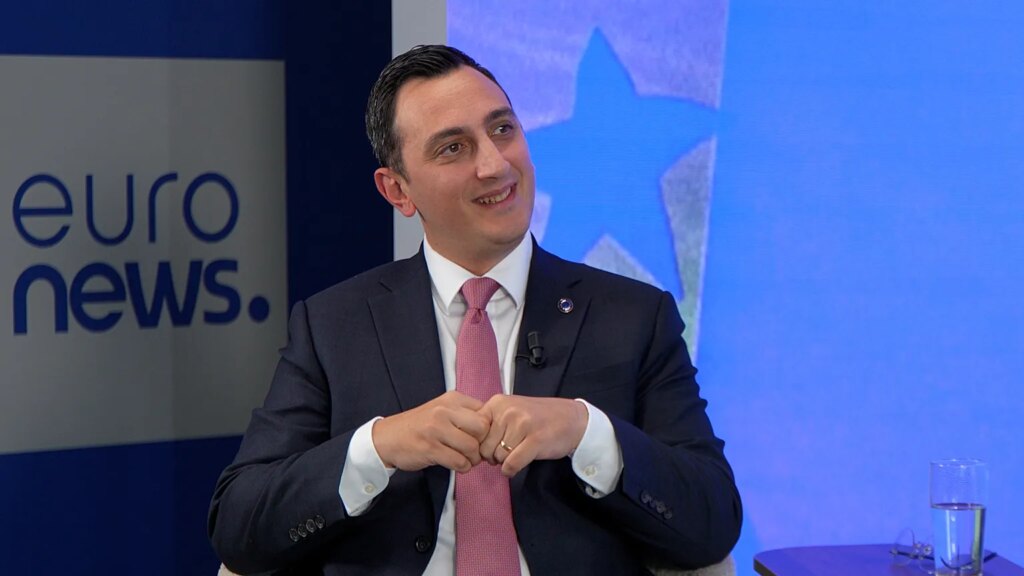
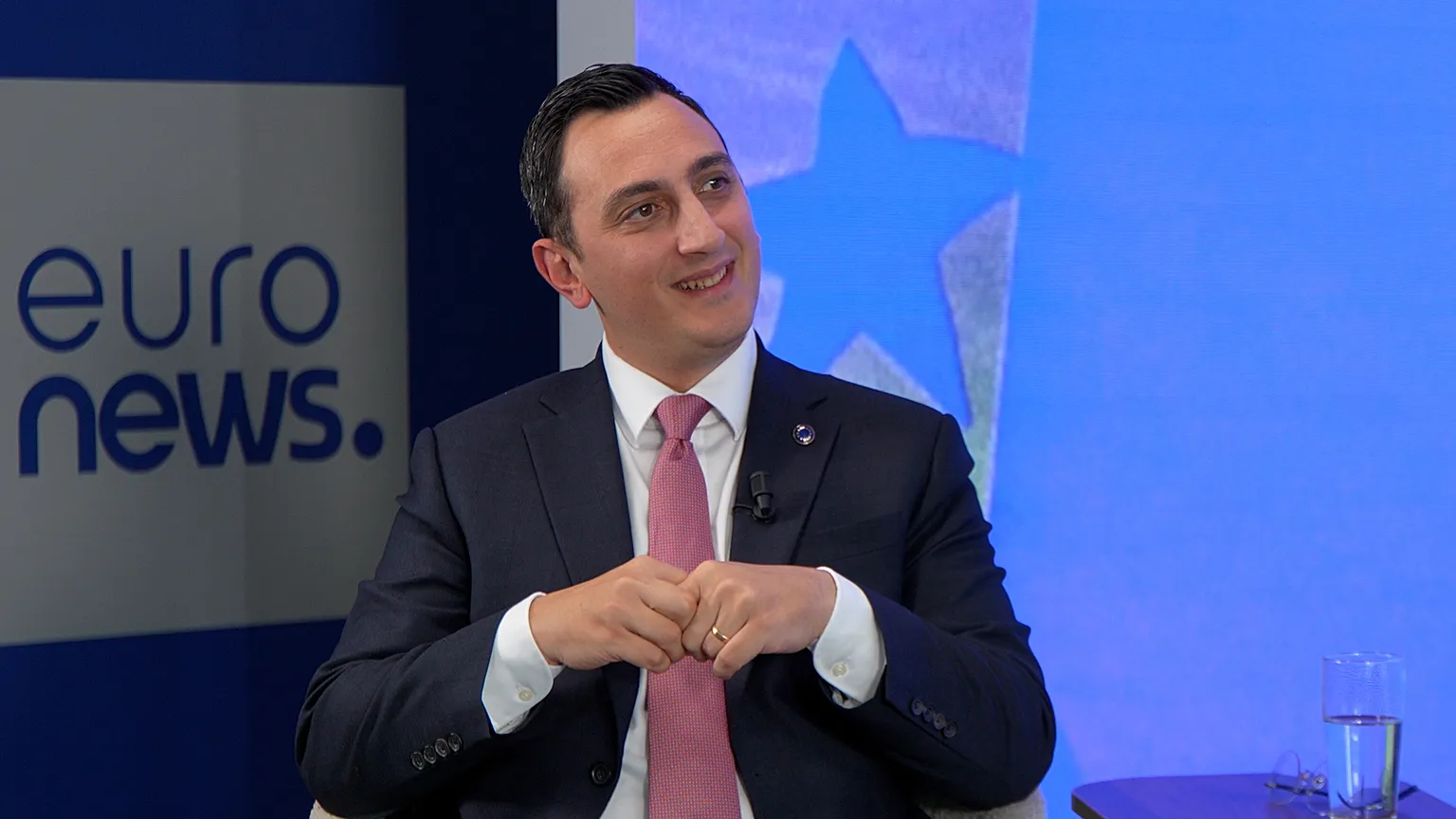
During an extensive exclusive interview with Euronews, EU Commissioner for Sport and Culture, Glenn Micallef, advocates for Europe’s football infrastructure, unveils the EU’s inaugural strategic framework on culture, and highlights the need to enhance working conditions for artists.
Brussels has reiterated its firm opposition to initiatives aimed at reviving a European Super League.
“The Super League was, remains, and will always be a mistaken concept. It is not a viable solution,” EU Culture and Sport Commissioner Glenn Micallef stated in an exclusive conversation with Euronews.
The Super League originated from leading clubs in England, Spain, and Italy proposing to create an independent competition, separate from UEFA, the governing body for professional football in Europe.
The idea was to feature some of the wealthiest clubs in permanent competition, supposedly enabling these participants to secure greater revenue, similar to the model in the United States.
“In Europe, the principle is open competition,” Micallef remarked. “This approach also supports the sustainability of our European domestic leagues.”
The initial announcement of the European Super League in 2021 encountered significant resistance from fans, players, managers, and football clubs alike.
Opposition also came from UEFA, FIFA—the global authority in football—and certain national governments. Critics expressed worries about potential exclusivity and decreased competitiveness.
However, a series of legal decisions, including the most recent in October, have barred UEFA or any other entity from suppressing the league, as such restrictions might breach specific EU competition laws.
These legal outcomes have reinvigorated supporters of the league who persist in attempting to organize an independent competition.
Nonetheless, the Sport Commissioner remains resolute. “It’s clear European football (…) confronts sustainability challenges. These arise from issues such as congested match schedules and financial pressures.”
The solution, according to Micallef, lies in bringing all parties together to collaboratively seek answers.
“It was surprising to observe, recently, conversations about athlete welfare occurring without the relevant athletes’ unions being present. Such discussions must happen in an inclusive setting with all stakeholders involved.”
Increasing mental and physical health concerns
Micallef also commented on the “disturbing” mental health crisis within the union.
According to the World Health Organization (WHO), about 20% of young people in the EU suffer from anxiety, depression, or other related disorders.
The Commissioner attributed these mental health issues to diminished quality of life, suggesting greater access to cultural activities as a potential remedy.
He views enhancing cultural engagement for youth as a beneficial alternative to excessive screen time, which, in his view, is directly connected to mental well-being problems along with adverse psychological, physical, and emotional impacts on younger generations,” Micallef explained.
In addition, Micallef highlighted obesity as a growing concern, labeling it an “epidemic.”
“Nearly half of our population is physically inactive, not even engaging in an hour of activity per week,” he noted.
“This correlates with serious non-communicable diseases, including cardiovascular conditions, diabetes, and escalating healthcare costs.”
He further suggested that sport could serve as an affordable and effective medical solution.
The EU’s pioneering strategic framework on culture
Moreover, Micallef, whose responsibilities encompass culture, discussed the Culture Compass for Europe — a new framework through which the EU will adopt an integrated cultural policy for the first time.
Developed under Micallef’s guidance and adopted by the Commission on Wednesday, this non-binding instrument offers a “long-term vision for achievements in the cultural sector,” he stated.
One such commitment within the Compass includes the regular publication of a “Report on the State of Culture in the EU” aimed at reinforcing artistic freedom.
The framework also proposes improvements to working conditions for nearly 8 million workers in cultural and creative sectors within the EU, representing about 4% of the overall workforce.
“Half of those employed in this sector report unsatisfactory working conditions. Allowing this to persist will severely hinder the cultural sector’s ability to attract and retain skilled professionals,” the European Commissioner remarked.
The Culture Compass is scheduled for approval by all three EU institutions by 2026.